



Bangladesh Election 2026: BNP Wins Landslide

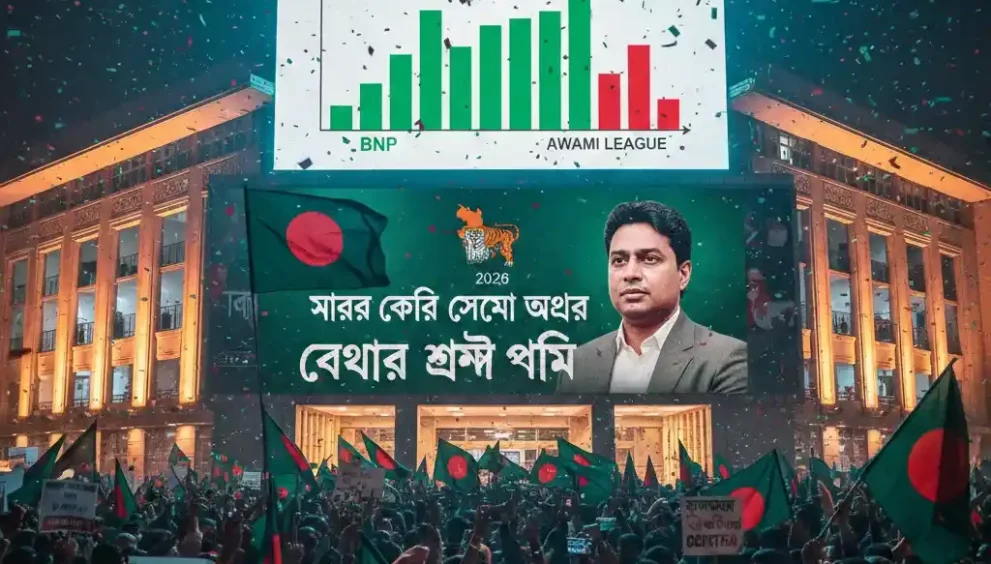
Bangladesh Election 2026: BNP Wins Landslide
Bangladesh Election Results 2026 – At a Glance
- Date of election: February 12, 2026
- Winning party: Bangladesh Nationalist Party (BNP)
- Seats won: 248 out of 300 contested seats (more than two-thirds majority)
- Leader: Tarique Rahman (acting chairman of BNP)
- Turnout: Estimated 68–71% (highest in over a decade)
- Main opposition: Awami League (participated under new leadership after Sheikh Hasina’s exile)
- Significance: First genuinely competitive national election since the student-led uprising of July–August 2024 that ended Sheikh Hasina’s 15-year rule
Introduction: A New Political Chapter Opens
On February 12, 2026, Bangladesh wrote one of the most consequential chapters in its modern political history.
The Bangladesh Nationalist Party (BNP), led from exile until recently by Tarique Rahman, secured a landslide victory in the parliamentary elections, winning well over a two-thirds majority in the Jatiya Sangsad.
The result marks the clearest mandate given to any political party in Bangladesh since the restoration of multi-party democracy in 1991.
For millions of Bangladeshis — especially the youth who led the 2024 uprising — this election was not just about choosing a government. It was about whether the sacrifices made during the “July Revolution” would translate into real, lasting change.
How Did the BNP Achieve Such a Decisive Victory?
1. Massive Youth and First-Time Voter Support
Exit polls and preliminary vote analysis show that voters aged 18–35 turned out in record numbers. Many had participated in the 2024 protests and viewed the BNP — particularly under Tarique Rahman’s reform messaging — as the party most aligned with their demand for systemic change.
2. Collapse of Awami League Strongholds
The Awami League, which had dominated Bangladeshi politics for 15 years under Sheikh Hasina, suffered its worst electoral performance in history. Several long-time strongholds in Dhaka, Chittagong, Sylhet, Rajshahi and Khulna fell to the BNP or independent candidates backed by the anti-Hasina alliance.
3. Tarique Rahman’s Strategic Return
Tarique Rahman returned to Bangladesh on October 28, 2025 after 17 years in exile (mostly in London). His return was carefully timed: just months before the election, allowing him to lead an energetic nationwide campaign while avoiding any immediate legal entanglements.
His messaging focused on four pillars:
- Restoration of democratic institutions
- Economic recovery and job creation for youth
- Ending political revenge and vendetta politics
- Rebuilding international credibility
4. Broad Anti-Awami Sentiment
Even voters who were not traditional BNP supporters voted tactically against the Awami League, blaming it for authoritarianism, enforced disappearances, extrajudicial killings, and economic mismanagement in the final years of Hasina’s rule.
Key Numbers from February 12, 2026
| Party / Alliance | Seats Won | Vote Share (approx.) |
|---|---|---|
| Bangladesh Nationalist Party (BNP) | 248 | 58–61% |
| Awami League | 32 | 22–25% |
| Jatiya Party (Ershad faction) | 11 | ~4% |
| Leftist parties & independents | 9 | ~5% |
Note: Final official seat tally may see minor adjustments due to recounts in 7–12 constituencies.
International Reactions – Cautious Welcome
- India: Issued a carefully worded statement congratulating “the people of Bangladesh on the successful conduct of elections” and expressing hope for “continued strong bilateral ties”.
- United States: Welcomed the “peaceful and largely credible” election and called on all parties to respect the result.
- United Kingdom: The Foreign Office noted that “the return of competitive politics is a positive step”.
- Pakistan: Prime Minister congratulated Tarique Rahman personally and expressed hope for improved bilateral relations.
- China: Maintained a low-profile response, stating it “respects the choice of the Bangladeshi people”.
What Challenges Does the New BNP Government Face?
Even with a historic mandate, the road ahead is far from easy.
- Economic Emergency Inflation remains high, foreign exchange reserves are critically low, garment export orders have declined, and power shortages continue. The new government must stabilize the economy quickly.
- Institutional Reform vs. Revenge Politics There is enormous public pressure to prosecute those responsible for killings and disappearances during 2009–2024. However, any large-scale revenge prosecution risks undermining the promise of a new, inclusive politics.
- Judiciary, Police and Bureaucracy Reform All three institutions were heavily politicized under the previous government. Rebuilding independence and professionalism will take years.
- Balancing India and China Bangladesh must maintain good relations with both major neighbors while reducing over-dependence on Chinese loans and infrastructure projects.
- Youth Expectations The same young voters who delivered this landslide victory will be the first to protest if they feel betrayed on jobs, education reform, and ending corruption.
Tarique Rahman’s First Public Statement After Victory (February 13, 2026)
“This is not a victory for the BNP alone. This is a victory for every student who marched, every mother who lost a child, every worker who struggled in silence. We have been given a responsibility, not a reward. We will not take revenge — we will take responsibility. Bangladesh will rise again — together.”
Looking Ahead: The Next 100 Days
Political analysts are watching the following early indicators:
- Composition of the cabinet (will reformist and technocratic faces dominate?)
- Timeline for judicial and police reform commissions
- First economic stabilization package
- Approach to war crimes and human rights cases from the Hasina era
- First foreign trip (likely India or UK)
Final Thoughts
February 12, 2026, will be remembered as the day Bangladesh chose hope over fear, participation over boycott, and reform over revenge.
Whether Tarique Rahman and the BNP can convert this historic mandate into meaningful, long-term change will define not just the next five years — but possibly the next generation of Bangladeshi politics.
The world — and especially the youth who made this moment possible — will be watching closely.
Published on www.worldreport.press Date: February 13, 2026 Category: Breaking News | South Asia | Politics
Follow us for more
- Latest tech news
https://worldreport.press/category/tech-news/ - Latest Grok Imagine 2026 update xAI rolls out 10-second videos
https://worldreport.press/tech-news/latest-grok-imagine-2026-update-xai-rolls-out-10-second-videos/ - How AI is reshaping banking in 2026 fewer branches smarter operations
https://worldreport.press/tech-news/how-ai-is-reshaping-banking-in-2026-fewer-branches-smarter-operations/ - Major worldwide news stories recap last week
https://worldreport.press/tech-news/major-worldwide-news-stories-recap-last-week/ - Breaking ChatGPT linked to 9 reported deaths including 5 alleged suicides
https://worldreport.press/tech-news/breaking-chatgpt-linked-to-9-reported-deaths-including-5-alleged-suicides-openai-under-fire-amid-lawsuits-and-musk-altman-clash/