



Andrew Hastie Quits Shadow Cabinet, Citing Disagreement Over Immigration Policy

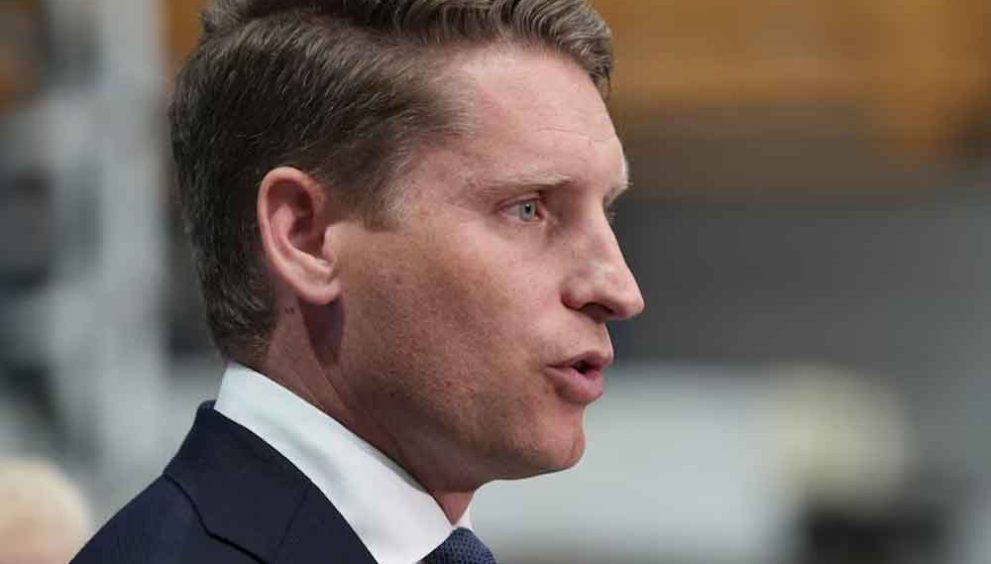
In a dramatic move that is sure to ripple through the Liberal Party ranks, Andrew Hastie has resigned from Sussan Ley’s shadow cabinet, publicly citing a breakdown in trust over immigration policy and his exclusion from its formulation. News.com.au+3ABC+3The Guardian+3
What Happened
- Hastie, who had been serving as Shadow Home Affairs Minister, announced his immediate resignation, declaring he could not remain in the role while being deprived of a voice in shaping the Coalition’s immigration direction. The Australian+3ABC+3The Guardian+3
- He framed his decision in the language of Westminster norms, stating he could not “remain silent on immigration” and that if one cannot observe cabinet solidarity, the only honorable path is to step back. The Australian+3ABC+3The Guardian+3
- Hastie insisted his resignation is not a challenge to Ley’s leadership, but rather a principled stand: “Sussan deserves the opportunity to lead unencumbered by interventions from shadow cabinet colleagues.” ABC+2The Guardian+2
- Ley responded by saying that she had issued “charter letters” to shadow ministers, outlining responsibilities and expectations, including the requirement of public unity. She said Hastie had declined to comply. ABC+2News.com.au+2
- In her statement, Ley emphasized that adhering to agreed shadow cabinet discipline “is not new and is a fundamental feature of our Westminster system.” The Guardian+1
Political Ripples & What This Signals
This departure is about more than internal Cabinet dynamics — it spotlights deeper fault lines in the Liberal Party on ideology, direction, and messaging. Some key implications:
- Pressure on Ley’s Leadership
Hastie’s public break amplifies speculation about whether Ley can maintain cohesion within a fragile coalition comprised of moderates and conservatives. The Guardian+4The Australian+4The Australian+4 - Immigration as a Flashpoint
Immigration policy has become a potent litmus test for internal alignment. Hastie’s critiques — including prior suggestions that Australians feel like “strangers in their own home” amid high migration — had already stirred controversy. News.com.au+3News.com.au+3The Guardian+3 - Conservative Base & Populist Influences
Hastie occupies a space beloved by the party’s right flank. His exit could galvanize support from conservative members and rank-and-file voters who feel the party has drifted from firm stances. The Guardian+4The Australian+4News.com.au+4 - Vacuum in Shadow Policy Leadership
With Hastie stepping back, the shadow home affairs role will need a credible replacement quickly. The Coalition needs to recover unity before Labor and the public seize the narrative. The Australian+2News.com.au+2
Why It Matters
- Symbolic break from party “discipline” — When a senior MP resigns under the banner of conscience and policy disagreement, it underscores internal tension more than usual reshuffles.
- Liberal identity under test — The party is wrestling with competing priorities: traditional liberalism, conservative nationalism, climate policy, migration control.
- Upcoming 2028 election implications — The stakes are high as the party prepares for a comeback. Messaging and unity on sensitive issues like immigration will likely shape voter perceptions.
What to Watch Next
- Who steps into the Shadow Home Affairs portfolio?
- Will any internal leadership challenges emerge in response?
- How will Ley’s handling of this fallout influence morale and public confidence?
- Will Hastie articulate further policy proposals now on the backbench?