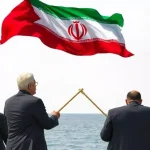



US-Iran Ceasefire Sparks Global Market Rally

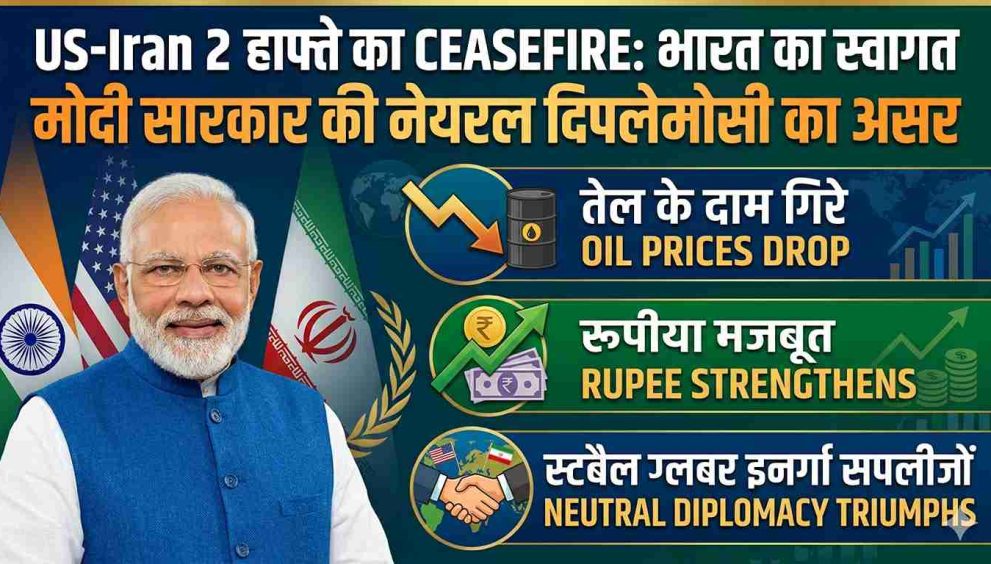
April 8, 2026 – Global financial markets reacted dramatically on Wednesday after U.S. President Donald Trump announced a conditional two-week ceasefire with Iran, including the immediate reopening of the strategically vital Strait of Hormuz. Oil prices suffered one of their steepest single-day drops in years, while stock markets across Asia, Europe, and U.S. futures posted strong gains as investors welcomed the potential restoration of nearly 20% of global oil and LNG supplies.
Dramatic Oil Price Collapse
- Brent crude (global benchmark) tumbled as much as 13-15%, trading around $94–$96 per barrel in early sessions — its sharpest decline in nearly six years.
- West Texas Intermediate (WTI) crude also plunged over 14%, falling below $96–$97 per barrel.
This sharp reversal erased much of the “war premium” that had pushed prices above $110–$120 per barrel during the Strait of Hormuz blockade. The closure had triggered the largest supply disruption in modern history, removing millions of barrels per day and causing severe bottlenecks for Asian importers and global LNG flows.
Analysts noted that even a temporary reopening could quickly ease physical shortages, though full normalization will depend on smooth tanker traffic and the durability of the truce.
Stock Markets Rally on Relief
Major equity indices posted strong gains as the risk of prolonged energy shock and inflation fears receded:
- Asia-Pacific:
- Japan’s Nikkei 225 surged around 5%
- South Korea’s Kospi jumped nearly 6% (briefly triggering a trading halt)
- Hong Kong’s Hang Seng rose 2.8%
- Australia’s ASX 200 gained 2.7%
- U.S. Futures: S&P 500 futures advanced over 2%, Dow futures rose around 2%, signaling a positive open on Wall Street.
- Europe: European stock futures leapt more than 5% in early trading.
The rally was broad-based, with sectors sensitive to energy costs — such as airlines, transportation, consumer discretionary, and manufacturing — leading gains. Energy stocks, however, faced selling pressure on lower crude prices.
Currency and Bond Markets
- The U.S. dollar weakened broadly as safe-haven demand eased.
- Global bond yields moved lower, reflecting reduced inflation expectations from cheaper energy.
Broader Economic Implications
The ceasefire removes an immediate threat to global growth that had been building since the Strait’s closure in March 2026. Economists had warned that a prolonged blockade could shave significant points off global GDP, spike inflation, and disrupt supply chains for food and fertilizer (a third of global fertilizer trade passes through the region).
- Inflation Relief: Lower oil and energy costs should help moderate headline inflation worldwide, particularly benefiting import-dependent economies in Asia and Europe.
- Growth Outlook: A swift reopening could support a rebound in global activity in the coming quarters, though the two-week window leaves room for volatility if talks stall.
- Vulnerable Regions: Asian economies (China, India, Japan, South Korea), which rely heavily on Hormuz flows, stand to benefit most from restored supplies. Europe may see eased pressure on alternative LNG sourcing.
However, caution remains. The ceasefire is temporary, and any breakdown could quickly reignite upward pressure on energy prices. Analysts still expect structural surpluses later in 2026 that could push oil toward lower levels in a base-case scenario, but geopolitical risks persist.
WorldReport.press Takeaway
Today’s market reaction underscores how tightly global finance is linked to Middle East stability. The dramatic plunge in oil and surge in equities reflect widespread relief that the world may avoid a deeper energy crisis — at least in the short term. Yet the two-week timeline keeps uncertainty alive, and investors will closely watch tanker movements, negotiations in Islamabad, and any statements from OPEC+ or major producers.
For households worldwide, the hope is for lower fuel and food prices in the weeks ahead. For businesses and governments, the focus now shifts to securing long-term energy resilience beyond this fragile pause.
WorldReport.press will continue tracking real-time market movements, oil flows through the Strait of Hormuz, and the evolving economic impact as this story develops.
What do you think — will this ceasefire bring lasting stability to energy markets, or is more volatility ahead? Share your views in the comments below.
Market data compiled from major exchanges and wire services as of April 8, 2026.