


Iran Claims Victory After US Accepts Ceasefire Plan

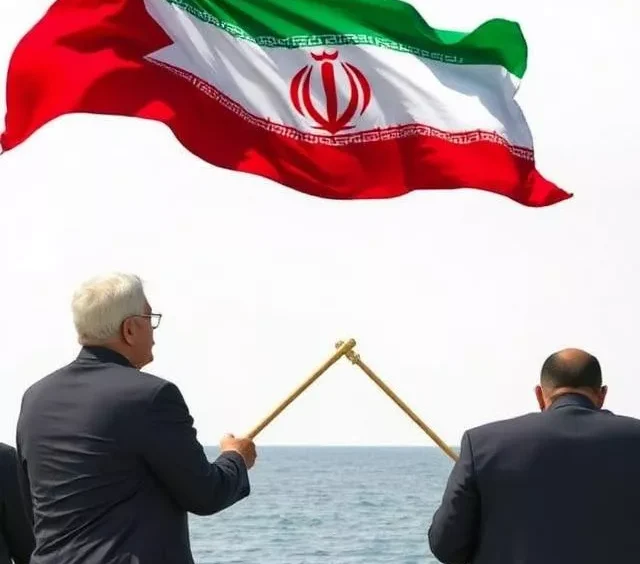
April 8, 2026 – In a dramatic twist to the escalating US-Iran conflict, Iran has declared that it has “forced” the United States to accept its 10-point peace plan as the foundation for negotiations. US President Donald Trump, meanwhile, described the Iranian proposal as “a workable basis” for talks, announcing a conditional two-week ceasefire that includes the reopening of the strategically vital Strait of Hormuz.
The announcement, made late on April 7, has temporarily de-escalated tensions that had pushed global oil prices to multi-year highs and raised fears of a broader regional war involving Israel and Hezbollah.
Iran’s 10-Point Plan: Key Demands
According to Iranian state media and multiple international reports, Tehran’s 10-point proposal includes the following core conditions:
- Commitment to non-aggression from the US and its allies
- Iran’s continued control over the Strait of Hormuz with a protocol for safe passage
- Acceptance of Iran’s uranium enrichment programme
- Lifting of all primary US sanctions
- Lifting of all secondary sanctions
- Termination of all UN Security Council resolutions against Iran
- Termination of all IAEA Board of Governors resolutions
- Payment of compensation by the US for damages caused during the conflict
- Withdrawal of all US combat forces from the region
- Cessation of war on all fronts, including an immediate end to Israeli operations in Lebanon against Hezbollah
Iran has framed the plan as a comprehensive roadmap for a permanent end to hostilities rather than a temporary pause, insisting it has successfully resisted US pressure.
Trump’s Response: “Workable Basis” for Negotiations
President Trump announced on Truth Social that the US would suspend attacks on Iran for two weeks, provided safe shipping resumes through the Strait of Hormuz. He confirmed receiving Iran’s 10-point proposal and called it “a workable basis on which to negotiate.”
The ceasefire is described as “double-sided,” with Iran agreeing to coordinate safe passage for tankers during the two-week window. Direct or indirect talks are expected to begin shortly in Islamabad, Pakistan, which has played a key mediating role.
Background: From Blockade to Breakthrough
The crisis intensified in March 2026 when Iran effectively restricted traffic through the Strait of Hormuz — a narrow chokepoint carrying nearly 20% of global oil and LNG supplies — in response to US-Israeli military actions. This triggered a severe energy shock, with oil prices surging past $110–$120 per barrel and some physical grades hitting record levels.
Trump had issued a firm deadline, warning of devastating consequences if the strait remained closed. Hours before the deadline expired, both sides stepped back from the brink, agreeing to the temporary truce.
Iranian Foreign Minister Abbas Araghchi stated that if attacks on Iran halt, Tehran would ensure safe passage through the strait, coordinated by its armed forces.
International Reactions and Market Impact
- Oil Markets: Global oil prices plunged sharply on the news, with Brent crude dropping over 13% to around $94–$96 per barrel as traders priced in the restoration of shipping routes.
- Stock Markets: Asian and European indices surged in early trading on relief over reduced energy risks.
- Israel: Israeli officials have indicated that the ceasefire does not automatically cover ongoing operations against Hezbollah in Lebanon.
- Pakistan: Welcomed its role as mediator and expressed hope for broader regional peace.
The UN Secretary-General has urged both parties to use the two-week window for meaningful dialogue toward a lasting agreement.
What Happens Next?
Negotiations in Islamabad starting as early as Friday will test whether the maximalist demands in Iran’s 10-point plan can be reconciled with US and Israeli red lines — particularly on uranium enrichment, sanctions relief, and regional military presence.
Analysts warn that while the ceasefire provides breathing room and eases immediate economic pain, the gap between the two sides remains wide. Any violation or breakdown could rapidly reignite hostilities and market volatility.
WorldReport.press Takeaway: Iran is projecting strength by claiming it “forced” the US to engage with its ambitious 10-point plan, while the Trump administration portrays the development as a pragmatic step toward de-escalation. The two-week ceasefire and reopening of the Strait of Hormuz deliver immediate global relief — especially on energy prices — but the real test lies in whether this pause can evolve into a sustainable diplomatic solution.
The coming days in Islamabad will determine if this is the beginning of a genuine peace process or merely a temporary halt in a dangerous confrontation.
WorldReport.press will continue to provide live updates on the negotiations, oil market movements, regional reactions, and the humanitarian situation as events unfold.
What are your thoughts on Iran’s 10-point plan and the ceasefire? Is this a genuine path to peace or a tactical pause? Share your views in the comments below.