

Ali Ghamsari Performs at Damavand Power Plant

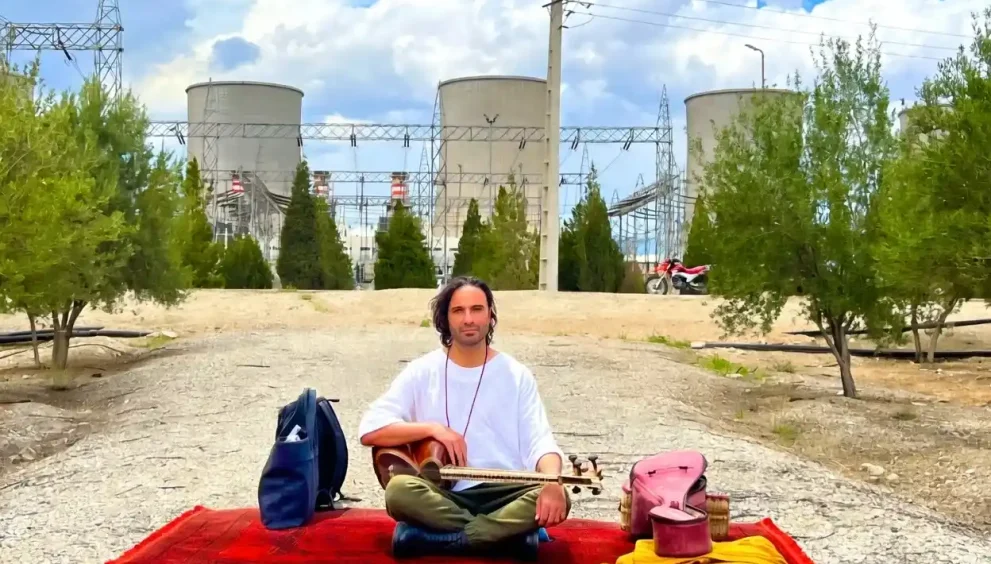
Renowned musician vows to compose and perform at Tehran’s critical electricity facility to protect civilian infrastructure as Trump’s deadline over Strait of Hormuz looms
In a powerful and unconventional act of artistic resistance, acclaimed Iranian composer and tar virtuoso Ali Ghamsari has stationed himself at the Damavand Combined Cycle Power Plant near Tehran. As tensions between the United States and Iran escalate, with President Donald Trump threatening strikes on Iranian infrastructure, Ghamsari is using music as a symbolic shield to safeguard one of the capital’s most vital energy sources.
Who is Ali Ghamsari? Master of the Persian Tar
Ali Ghamsari is widely regarded as one of Iran’s finest independent musicians. A virtuoso of the tar — the traditional Persian long-necked lute — he masterfully blends classical Persian music with modern influences, creating deeply emotive compositions that resonate both in Iran and on the global stage.
Known for his solo performances and innovative approach, Ghamsari has built a reputation for artistic independence, staying clear of direct political affiliations. His latest initiative reflects a personal sense of social responsibility: turning art into a form of peaceful protest to protect civilian life and essential services.
Damavand Power Plant: Tehran’s Electricity Lifeline
The Damavand Combined Cycle Power Plant, located in Pakdasht southeast of Tehran, is one of Iran’s largest and most important energy facilities. With a generation capacity of approximately 2,868 MW, it supplies roughly 40-43% of Tehran’s electricity — powering homes, hospitals, businesses, and daily life for millions in Iran’s bustling capital of over 10 million people.
In the context of rising geopolitical tensions, the plant has been mentioned in discussions around potential US strikes on Iranian infrastructure. President Trump has issued warnings targeting energy facilities if Iran does not comply with demands related to the Strait of Hormuz, a critical global oil transit route.
Ghamsari’s presence at the site draws international attention to the human cost of any such conflict, emphasizing the impact on ordinary citizens who rely on uninterrupted power.
Ghamsari’s Message: Music as Protection and a Global Call
In a video message, Ali Ghamsari declared he would remain at the Damavand Power Plant as an independent artist, composing and performing music on his tar. He stated:
“With my tar, I will become a shield for the electricity of 40 percent of Tehran.”
He urged musicians and artists worldwide to join him in this symbolic vigil, aiming to “keep the lights on in Iranian homes” through cultural expression and solidarity. Ghamsari stressed that his action is driven by a sense of duty to protect critical civilian infrastructure — including electricity, water, and energy systems — rather than any political agenda.
Iranian media has highlighted the move as a creative and courageous response to external threats. Meanwhile, reactions online range from admiration for the artistic defiance to skepticism about its practical impact, underscoring the deeply human dimension of the unfolding crisis.
Global Context: Tensions Over the Strait of Hormuz
The current standoff revolves around the Strait of Hormuz, through which a significant portion of the world’s oil supply passes. President Trump’s recent statements and deadlines have intensified concerns about possible military action against Iranian targets, including energy infrastructure.
Experts warn that strikes on facilities like Damavand could lead to widespread blackouts in Tehran, affecting healthcare, economy, and daily life. Ghamsari’s vigil transforms the power plant from a mere industrial site into a stage for dialogue, resilience, and a plea for de-escalation.
Why This Story Resonates Worldwide
This unusual story blends culture, conflict, and creativity in a way that captures global imagination. The image of a world-class musician playing the ancient Persian tar amid modern industrial infrastructure highlights how art can serve as a non-violent tool for awareness and resistance.
It raises important questions:
- Can cultural expression influence geopolitical outcomes?
- What is the human impact when essential infrastructure becomes a target?
- How do artists respond when civilian lives and basic needs hang in the balance?
As Trump’s deadline approaches, Ali Ghamsari’s stand at the Damavand Power Plant serves as a poignant reminder that behind strategic calculations are real people — families, communities, and cultural heritage worth protecting.
Stay Updated with World Report Press
World Report Press continues to monitor developments in Iran-US relations, the situation in the Strait of Hormuz, and stories that connect global politics with human stories.