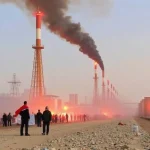



Iran War Triggers Global Energy Shock, Oil Above $110

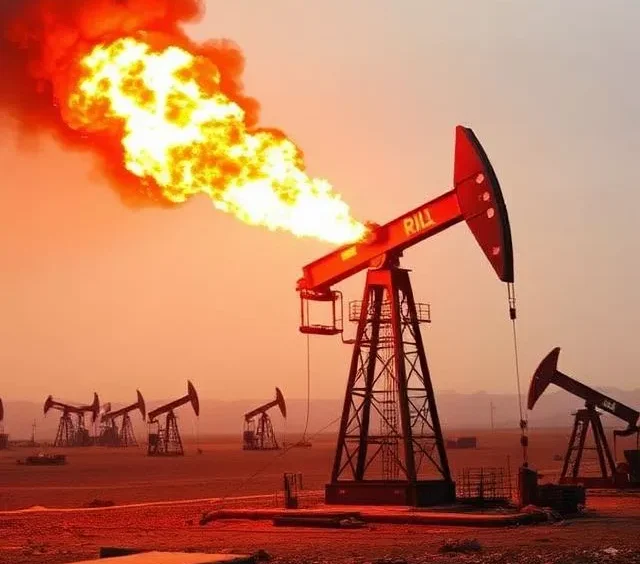
New York/London, April 7, 2026 — With US President Donald Trump issuing a firm Tuesday 8 PM ET deadline for Iran to reopen the Strait of Hormuz, the ongoing Middle East conflict is delivering the largest oil supply disruption in history, sending shockwaves through the global economy. The strategic waterway — responsible for roughly 20% of the world’s oil and significant LNG shipments — has been effectively blocked for over a month, triggering soaring energy prices, supply shortages, and growing risks of stagflation and recession worldwide.
The International Energy Agency (IEA) has described the situation as the biggest supply disruption ever recorded in global oil markets. Brent crude has climbed above $110 per barrel (with some forecasts warning of $150–$200 if the crisis drags on), while global stock markets have turned volatile and growth projections are being slashed across continents.
The Core of the Crisis: Strait of Hormuz Blockade
Since early March 2026, shipping through the narrow Strait of Hormuz has slowed to a trickle due to Iranian threats and regional hostilities. This has stranded millions of barrels of daily oil and LNG exports from key producers including Saudi Arabia, Iraq, Kuwait, and the UAE. QatarEnergy declared force majeure on LNG shipments, further tightening global energy supplies.
The result: approximately 10–20 million barrels per day of oil supply removed from the market — equivalent to several days of global consumption already lost.
Worldwide Economic Fallout
- Energy Prices and Inflation Oil prices have surged more than 50% since the conflict intensified, pushing up gasoline, diesel, heating, and transport costs everywhere. In the United States, pump prices have risen sharply. Europe faces doubled gas prices and higher electricity bills. Asia, heavily dependent on Gulf supplies, is already experiencing fuel rationing and shortages in countries from Thailand to Pakistan.
- Global Growth Under Threat Economists warn that prolonged disruption could shave 0.2–1% off worldwide GDP growth in 2026. Inflation is rising faster than expected, with headline figures climbing in major economies. The combination of higher energy costs and slowing activity raises the spectre of stagflation — stagnant growth paired with persistent price increases.
- Supply Chain and Trade Disruptions Rerouted shipping, higher freight insurance, and airspace closures have disrupted not only energy but also food imports, fertilizers, and high-tech components. Gulf nations reliant on the strait for over 80% of caloric intake face grocery emergencies and sharp food price hikes (40–120% in some cases). Global aviation has been hit hard, with major hubs and airlines facing operational halts.
- Stock Markets and Investor Sentiment Equity markets have reeled amid uncertainty. Analysts at Goldman Sachs, Barclays, and others have cut forecasts, noting that even a short conflict has already caused significant damage. A worst-case scenario of extended closure could mirror or exceed the economic pain of the 1970s oil crises or the combined Covid-Russia-Ukraine shocks.
Regional Impacts Across the Globe
Asia: Hardest hit in terms of immediate shortages. Fuel rationing has begun, and import-dependent economies face higher production costs and reduced consumer spending.
Europe: Already battling an energy crunch, the continent sees renewed industrial strain, postponed rate cuts by the ECB, and risks of technical recession in Germany, Italy, and beyond.
United States: Higher pump prices and inflation pressures, though domestic production offers some buffer. Broader effects on consumer spending and corporate profits are emerging.
Developing Nations: Particularly vulnerable due to limited fiscal space. Higher energy and food costs could exacerbate poverty and social unrest in parts of Africa, South Asia, and Latin America.
Middle East & Gulf: Beyond the direct conflict zone, neighbouring countries face humanitarian risks, including water shortages from damaged desalination plants and massive GDP losses estimated at $120–194 billion for Arab nations.
What Happens Next?
As Trump’s deadline approaches, markets remain on edge. A swift reopening of the strait could ease pressures and bring prices down sharply. However, experts caution that even a quick resolution won’t immediately restore normal supplies due to tight inventories and the time required to restart disrupted operations.
Diplomatic efforts continue behind the scenes, but Iran has so far shown defiance. President Trump has reiterated that the US prefers a deal but is prepared to act decisively to protect global energy flows.
The crisis also highlights the world’s dangerous dependence on a single chokepoint for energy security, accelerating long-term debates on diversifying supplies, investing in renewables, nuclear power, and strategic reserves.