


US-Iran Talks Collapse: 21-Hour Islamabad Breakdown

By World Report Press Desk | April 13, 2026
In a significant blow to efforts to stabilize the Middle East, high-level direct talks between the United States and Iran ended without agreement after a marathon 21-hour session in Islamabad, Pakistan. The collapse leaves the fragile two-week ceasefire — brokered with Pakistani mediation — in doubt and raises concerns about potential renewed conflict, disruptions to global oil supplies, and heightened international tensions.
Here is a detailed, step-by-step account of how the historic negotiations unfolded and ultimately failed.
Step 1: Background – The Fragile Ceasefire and Pakistan’s Mediating Role
Following more than six weeks of intense conflict that disrupted shipping in the Strait of Hormuz and sent shockwaves through global energy markets, the United States and Iran agreed to a temporary two-week ceasefire on April 7-8, 2026. Pakistan emerged as a key facilitator, with Prime Minister Shehbaz Sharif and senior military officials helping bring both sides to the negotiating table in Islamabad.
The truce provided a narrow window for face-to-face diplomacy — the first direct high-level engagement between Washington and Tehran since the 1979 Islamic Revolution.
Step 2: Arrival and Opening of Talks at Serena Hotel
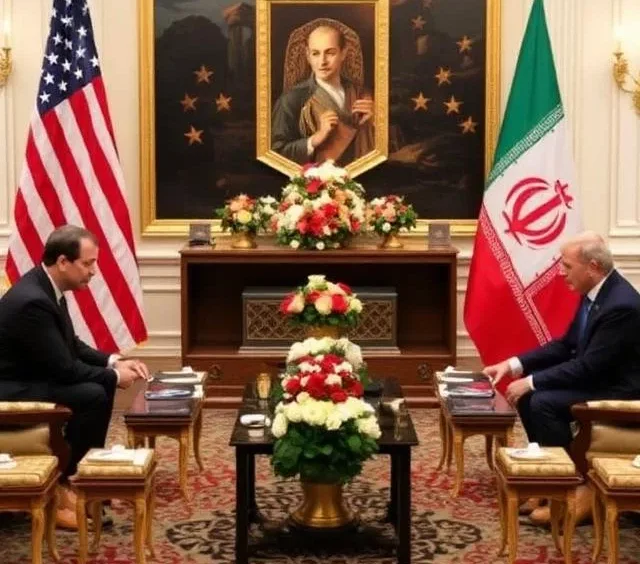
On Saturday, April 11, 2026, delegations convened at Islamabad’s Serena Hotel. The U.S. team was led by Vice President JD Vance, while Iran was represented by senior figures including Foreign Minister Abbas Araghchi and Parliament Speaker Mohammad Bagher Ghalibaf. Pakistani hosts shuttled between rooms, aiming to bridge differences on critical issues: Iran’s nuclear program, reopening the Strait of Hormuz to international shipping, missile capabilities, and regional de-escalation.
The atmosphere was tense yet historically significant, with both sides acknowledging the importance of the moment.
Step 3: The Intense 21-Hour Negotiations – Progress on Periphery, Deadlock on Core Issues
Talks stretched late into the night and into the early hours of Sunday, April 12 — totaling 21 hours with limited breaks. According to reports, limited progress was achieved on secondary humanitarian and economic matters. However, fundamental disagreements persisted.
The United States pressed for verifiable commitments from Iran to halt its nuclear enrichment activities and ensure unrestricted maritime passage through the Strait of Hormuz. U.S. officials described their position as a “final and best offer.”
Iranian representatives countered that American demands were excessive and accused the U.S. side of shifting goalposts during the discussions. Tehran maintained it had negotiated in good faith but could not accept terms that compromised its core security interests.
As fatigue set in, the gap between positions remained unbridgeable.
Step 4: The Collapse – Vance’s Announcement and Mutual Recriminations
In the early hours of Sunday, Vice President JD Vance addressed the media before departing Islamabad aboard Air Force Two. He stated:
“The bad news is that we have not reached an agreement. And I think that’s bad news for Iran much more than it’s bad news for the United States of America… They have chosen not to accept our terms.”
Iran responded firmly, with officials asserting that the “U.S. failed to earn our trust” and blaming maximalist American positions for the breakdown. Both delegations left Pakistan without a deal, though Pakistani authorities expressed hope that future dialogue could still be possible.
Step 5: Trump’s Response from Washington – Warnings and Escalation Signals
Back in the United States, President Donald Trump reacted decisively. He confirmed the talks collapsed largely due to Iran’s unwillingness to abandon its nuclear ambitions. Trump reiterated that U.S. forces remain “locked and loaded” and signaled plans for a naval blockade of the Strait of Hormuz to prevent Iran from continuing to restrict this vital global chokepoint.
In a parallel development, Trump issued a direct warning to China, cautioning Beijing against supplying advanced weapons or air defense systems to Iran. “If China does that, China is gonna have big problems,” he stated, raising the specter of fresh economic measures.
Global Implications: Energy Markets, Regional Stability, and Beyond
The failure of the Islamabad talks has immediate worldwide repercussions. The Strait of Hormuz handles a significant portion of global oil trade; any blockade or renewed hostilities could spike energy prices and affect economies from Europe and Asia to Africa and Latin America.
For nations dependent on Middle Eastern stability — including emerging markets and major importers — the uncertainty adds pressure on inflation and supply chains. International observers are closely monitoring whether the current ceasefire will hold beyond its April 22 expiration date.
Pakistan’s role as mediator has drawn attention to shifting diplomatic dynamics in South and West Asia, while the involvement of major powers underscores the interconnected nature of global security.