



US-Iran Ceasefire in Danger After Islamabad Talks Fail

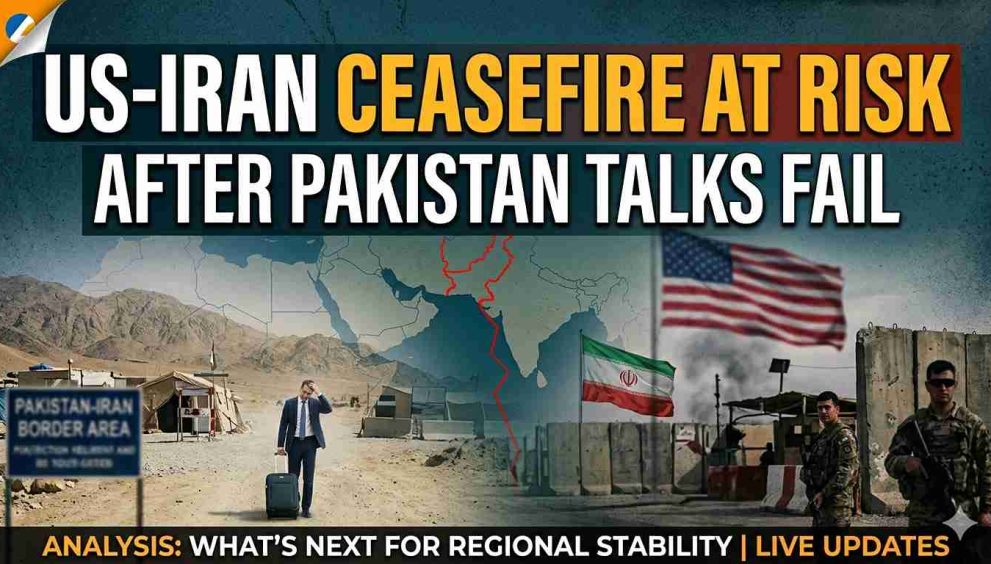
The already shaky two-week ceasefire between the United States and Iran faces serious jeopardy following the collapse of marathon peace negotiations in Islamabad, Pakistan.
High-level talks, led by U.S. Vice President JD Vance, lasted over 21 hours but ended without any agreement on key issues, including Iran’s nuclear program and freedom of navigation in the critical Strait of Hormuz. In response, President Donald Trump has escalated tensions by ordering an immediate U.S. Navy blockade targeting Iranian ports in the waterway.
The blockade officially began on April 13, 2026. U.S. Central Command stated that the operation aims to interdict vessels linked to Iranian ports while permitting non-Iranian traffic to continue where possible. Trump described the U.S. Navy as “the Finest in the World” and warned that any Iranian fast-attack vessels approaching the blockade would be “immediately eliminated.”
Why the Ceasefire Is Now at High Risk
The temporary ceasefire, which started around April 8, 2026, was intended to allow space for diplomacy and restore safe passage through the Strait of Hormuz — a narrow chokepoint through which nearly 20% of the world’s oil supply flows.
Major sticking points in the Islamabad talks included:
- Iran’s nuclear capabilities and highly enriched uranium stockpile
- Demands for unrestricted maritime traffic in the Strait of Hormuz
- Broader regional security concerns involving multiple actors
Vice President Vance noted that Iran “chose not to accept our terms,” while Iranian officials described the U.S. demands as excessive and blamed Washington for the breakdown. Tehran has labeled the blockade an “act of piracy” and warned of potential retaliation.
The ceasefire is scheduled to expire around April 22, raising fears of renewed escalation in the six-week-old conflict that has already shaken the Middle East.
Global Impact on Oil Prices and Energy Security
The announcement has triggered immediate volatility in international energy markets. Brent crude oil surged above $100–$103 per barrel, with analysts warning of further spikes if the situation deteriorates.
This development carries significant consequences for countries worldwide:
- Europe and Asia: Higher energy import costs could fuel inflation and slow economic recovery.
- Developing Nations: Increased fuel and transportation expenses may strain household budgets and government subsidies.
- Global Shipping: Disruptions in the Strait of Hormuz threaten supply chains for oil, LNG, and other commodities, potentially raising costs for consumers everywhere.
Gulf countries, including Saudi Arabia, have reportedly urged the U.S. to ease the blockade to prevent broader disruptions, including possible Iranian retaliation that could affect other key routes like the Bab al-Mandeb.
Trump’s Maximum Pressure Approach
President Trump has framed the naval blockade as a necessary step to increase pressure on Iran and force a return to serious negotiations. White House officials indicate the move is designed to cut off Iran’s oil export revenues while protecting international freedom of navigation.
Despite the tough stance, Trump has indicated that Iran still appears interested in reaching a deal, and Pakistan has offered to host further rounds of talks.
What Happens Next in the Iran Conflict?
The coming days are critical. With the active U.S. blockade in place and the ceasefire under strain, the risk of miscalculation or direct confrontation in the Persian Gulf has risen sharply.
International observers are closely watching reactions from major powers, including China, Russia, and European nations, as well as regional players.
WorldReport.press will continue to provide balanced, real-time global coverage of the U.S.-Iran crisis, the naval blockade developments, oil market fluctuations, and the wider implications for international stability and economies around the world.
Stay informed as this fast-moving story evolves.