


Maduro Capture 2026: U.S. Forces Seize Venezuelan Leader in Daring Raid, Igniting Global Firestorm

Maduro Capture 2026: U.S. Forces Seize Venezuelan Leader in Daring Raid, Igniting Global Firestorm
In the crowded cafes of Miami’s Doral neighborhood – often called “Doralzuela” for its Venezuelan expatriate community – 48-year-old exile Luis Ramirez dropped to his knees in tears of unbridled joy on January 3, 2026. As news alerts confirmed the Maduro capture 2026, showing images of the deposed leader in U.S. custody, Luis clutched a photo of his missing son, disappeared by regime security forces in 2021. “This is the day we’ve prayed for,” Luis sobbed, surrounded by cheering compatriots waving Venezuelan flags. Having fled Caracas after his business was seized and his family threatened, Luis represents millions who endured Maduro’s iron-fisted rule. The Maduro capture 2026 has unleashed waves of cathartic relief across the diaspora, from Florida to Madrid, but it also thrusts Venezuela into uncharted territory amid global condemnation and cautious optimism.
The Maduro capture 2026 unfolded in a high-stakes U.S. military operation codenamed Operation Absolute Resolve, marking a dramatic escalation in Washington’s long-standing campaign against the Venezuelan regime. President Donald Trump hailed it as a triumph over “narco-terrorism,” while critics decried it as a violation of sovereignty. This comprehensive report examines the raid’s details, amplifies victims’ long-silenced stories, explores prospects for reforms, and analyzes the contentious debates raging worldwide.
Operation Absolute Resolve: The Raid That Changed Venezuela
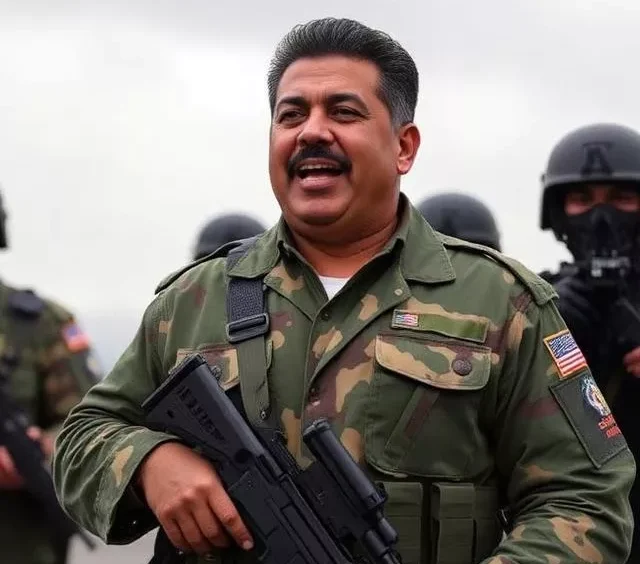
The Maduro capture 2026 began in the pre-dawn darkness of January 3, with explosions rocking Caracas and northern Venezuela. U.S. forces launched precision strikes on military infrastructure, suppressing air defenses to pave the way for special operations teams. Delta Force operators, supported by helicopters and advanced drones including RQ-170 Sentinels for surveillance, raided key sites, including areas around Fort Tiuna.
Nicolás Maduro and his wife, Cilia Flores, were seized in a swift assault on their compound. Reports indicate significant resistance, with a large part of Maduro’s security detail killed and seven U.S. service members injured. By morning, the couple was airborne, transferred to a U.S. vessel before arrival in New York.
Trump announced the Maduro capture 2026 triumphantly, initially stating the U.S. would “run” Venezuela during transition – a remark later clarified by officials as temporary stabilization measures. On January 5, Maduro and Flores appeared in Manhattan federal court, pleading not guilty to indictments charging narco-terrorism conspiracy, cocaine importation, corruption, and weapons-related offenses. Maduro defiantly declared himself a “prisoner of war” and Venezuela’s legitimate president, while his defense argued the capture’s irregularity could complicate prosecution.
The operation drew parallels to the 1989 arrest of Panama’s Manuel Noriega, but on a larger scale, involving airstrikes and no prior declaration of war.
Victims’ Voices: Years of Repression Under Maduro
The Maduro capture 2026 has reopened wounds for countless Venezuelans who suffered under the regime’s brutality. Once Latin America’s wealthiest nation, Venezuela plummeted into crisis: hyperinflation, mass emigration of over 7 million, widespread malnutrition, and systemic human rights abuses.
Former political prisoner Ana López, now in exile in Colombia, recounted her 2019 detention for protesting shortages. “They tortured us with electric shocks, starved us, and threatened our families,” she said, her voice steady but eyes haunted. UN and Amnesty reports documented thousands of arbitrary detentions, extrajudicial killings, and sexual violence by security forces as tools of repression.
Journalist Miguel Torres fled after his outlet was shuttered and colleagues imprisoned. “We lived in constant fear – no free press, no dissent allowed,” he shared. Economic collapse hit hardest: families foraging for food, hospitals without medicine, children dying from preventable diseases.
Post-2024 disputed elections, protests met violent crackdowns, with hundreds detained or disappeared. One mother in Spain described losing contact with her activist daughter: “Maduro’s forces took her – we still don’t know if she’s alive.” Gang violence linked to regime elements, like Tren de Aragua, terrorized communities.
These testimonies underscore the humanitarian catastrophe, fueling exile celebrations of the Maduro capture 2026 as overdue justice.
Prospects for Reform: A Fragile Window for Recovery?
Amid chaos, the Maduro capture 2026 opens possibilities for profound change. Opposition figures like Edmundo González and María Corina Machado, long suppressed, call for transitional governance leading to free elections.
Economic revival centers on oil – Venezuela’s vast reserves crippled by mismanagement and sanctions. Lifting restrictions could attract investment, boost production, and fund social programs. Experts predict potential GDP rebound, reduced poverty, and reversed migration if corruption is rooted out.
Democratic reforms might include judicial independence, media freedom, and accountability for abuses. International aid could rebuild infrastructure and healthcare. Acting officials under Vice President Delcy Rodríguez have signaled dialogue, softening initial defiance.
Yet challenges loom: intensified repression reported in Caracas, with checkpoints and arrests targeting perceived opponents. Power struggles risk instability, and U.S. involvement raises concerns over influence.
Analysts see potential for reconciliation, drawing from past transitions, but warn of prolonged uncertainty without inclusive processes.
The Intervention Debate: Legality, Sovereignty, and Global Repercussions
The Maduro capture 2026 has provoked a storm of controversy. Supporters, including the Trump administration, justify it as enforcing 2020 indictments for narco-terrorism, citing Maduro’s alleged cartel ties and threats to regional security.
Critics, including legal experts and nations like Brazil, Mexico, and China, condemn it as unlawful aggression violating sovereignty. No extradition request or consent from Venezuelan authorities occurred, breaching international norms. Comparisons to Noriega abound, but many argue the scale – including strikes on sovereign soil – sets dangerous precedent.
Congressional anger erupted over limited notification, with debates on presidential war powers. Maduro’s “prisoner of war” claim complicates trial, potentially invoking Geneva Conventions.
Regionally, neighbors fear spillover instability or U.S. unilateralism. UN discussions highlighted divisions: plaudits from some for ending tyranny, outrage from others over “imperialism.”
Ethically, the operation weighs ending documented atrocities against risks of escalation or backlash. As Venezuela navigates aftermath – tense calm in streets, ongoing protests for Maduro’s release – the Maduro capture 2026 tests global order.
Toward an Uncertain Future
Five days on, Venezuela stands at a crossroads. The Maduro capture 2026 delivers accountability to a reviled leader but unleashes complex dynamics. Victims find validation, reformers glimpse opportunity, and the world grapples with intervention’s implications.
For exiles like Luis Ramirez, it’s a moment of profound emotion: tears of joy signaling possible healing for a fractured nation.