



Donald Trump Extends Iran Ceasefire, Blockade Stays

By World Report Press Team | April 22, 2026 | 11 min read
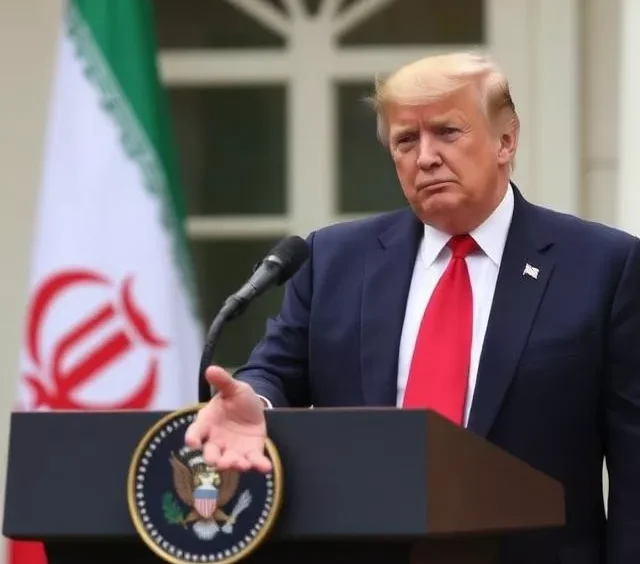
US President Donald Trump announced on April 21 that the United States is extending the ceasefire with Iran indefinitely, giving Tehran additional time to submit a “unified proposal” to end the two-month-old conflict. However, the US naval blockade of Iranian ports remains fully in force, keeping significant pressure on Iran while peace talks mediated by Pakistan remain uncertain.
The original ceasefire was set to expire on April 22 evening. At WorldReport.press, we bring you a comprehensive global overview of the Iran war latest news, including reactions from major countries, economic ripple effects, and implications for energy markets and international security.
Trump’s Announcement: Ceasefire Extended, Blockade Stays
In a Truth Social post and subsequent comments, President Trump stated he agreed to Pakistan’s request to extend the truce. He emphasized that the US military will continue the naval blockade and remain “ready and able” if negotiations fail.
Key points from the announcement:
- Ceasefire extended until Iran submits a serious proposal and discussions conclude.
- US naval blockade of Iranian ports continues without interruption.
- Vice President JD Vance’s planned trip to Pakistan for the next round of talks has been paused.
Trump described Iran’s leadership as “seriously fractured” following the loss of key figures earlier in the conflict, which began on February 28, 2026, with US and Israeli strikes on Iranian targets.
Current Status of the Iran Conflict
The war escalated rapidly after initial US-Israeli strikes targeted Iranian military sites, nuclear facilities, and leadership. Iran retaliated with missile and drone attacks on Israel and regional US allies. A temporary two-week ceasefire was brokered in early April, but tensions persisted due to Iran’s restrictions in the Strait of Hormuz and the subsequent US naval blockade.
Recent incidents include the US seizure of an Iranian-flagged cargo ship (Touska) on April 19 after it attempted to breach the blockade. Iran has condemned the action as “armed piracy” and vowed to respond if the ceasefire collapses.
The Strait of Hormuz — a critical chokepoint carrying about 20% of global oil supply — remains a major flashpoint, with disruptions causing volatility in worldwide energy markets.
Worldwide Reactions to the Ceasefire Extension
United States: The Trump administration views the extension as a pragmatic move to allow diplomacy while maintaining military leverage. Officials stress that the blockade prevents Iran from rebuilding its capabilities and protects freedom of navigation.
Iran: Tehran has called the ongoing US blockade an “act of war” and an obstacle to meaningful talks. Iranian officials say they will not fully engage in negotiations until the blockade is lifted. Iran’s fractured leadership has complicated its ability to present a unified proposal.
Israel: As a key US ally, Israel continues to monitor the situation closely. Israeli officials have expressed skepticism about Iran’s intentions and emphasize the need for strong guarantees that Iran will never develop nuclear weapons.
Pakistan (Mediator): Pakistan welcomed the extension and continues efforts to bring both sides back to the negotiating table in Islamabad. However, the pause in VP Vance’s visit adds uncertainty to the mediation process.
China: Beijing has urged all parties to exercise restraint and prioritize de-escalation. China, a major buyer of Iranian oil, is concerned about prolonged disruptions to energy supplies and global shipping routes.
Russia: Moscow has criticized the US blockade as destabilizing and called for an immediate end to hostilities. Russia maintains close ties with Iran and has warned against further escalation in the region.
European Union: EU leaders have expressed support for diplomatic efforts while voicing concern over rising oil prices and potential refugee flows. Several European countries have called for broader international involvement in the peace process.
India: New Delhi is closely watching developments due to its large expatriate population in the Gulf and heavy reliance on Middle Eastern oil imports. India has urged both sides to resolve the conflict peacefully and has stepped up repatriation efforts for its citizens.
Saudi Arabia and Gulf States: Gulf nations have welcomed the ceasefire extension but remain wary. They continue to strengthen defenses and diversify energy routes amid fears of renewed disruptions.
Global Economic and Energy Impact
The ongoing blockade and uncertainty have kept oil prices elevated. Any renewed fighting could trigger sharp spikes in crude oil costs, affecting economies worldwide:
- Higher fuel and transportation costs for consumers in Europe, Asia, and the Americas.
- Increased shipping insurance premiums and supply chain disruptions.
- Potential inflationary pressure in oil-importing nations like India, Japan, South Korea, and parts of Europe.
Stock markets showed mild volatility following Trump’s announcement, with energy stocks gaining while broader indices remained cautious.
Humanitarian and Regional Consequences
The conflict has already caused significant casualties, displacement, and infrastructure damage in Iran and surrounding areas. A prolonged stalemate risks worsening the humanitarian situation and could lead to new waves of migration.
International organizations continue to call for unrestricted access for aid and protection of civilian populations.
What Happens Next?
- No fixed timeline has been set for the next round of talks.
- The US maintains maximum pressure through the naval blockade while keeping the door open for diplomacy.
- Analysts warn that without a concrete proposal from Iran soon, the risk of resumed US and Israeli strikes remains high.
President Trump has repeatedly stated his goal is a strong, lasting deal that ensures Iran never becomes a nuclear threat and stops supporting regional instability.
World Report Press will continue monitoring this fast-evolving situation with updates from Washington, Tehran, Jerusalem, Islamabad, and major world capitals.
What’s your take on the Iran war latest developments? Should the US maintain the naval blockade until a firm agreement is reached, or ease pressure to accelerate talks? How do you see this affecting global energy prices and regional stability? Share your views in the comments below.
For more in-depth coverage of international conflicts, geopolitics, and global economy, explore:
Subscribe to the World Report Press newsletter for daily global briefings delivered to your inbox.