



United States-Iran Ceasefire: Global Impact Explained

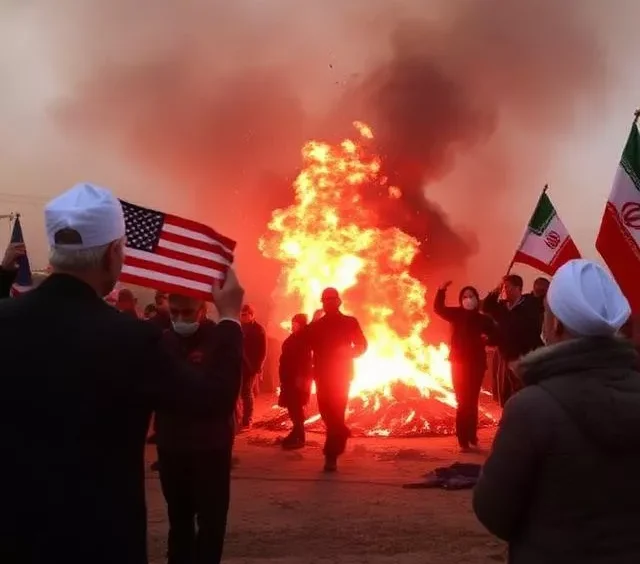
As the fragile two-week US-Iran ceasefire takes hold in April 2026, the world is breathing a collective sigh of relief. Brokered largely through Pakistan’s diplomatic efforts, the agreement includes Iran reopening the Strait of Hormuz — the critical chokepoint carrying nearly 20% of global oil supply — in exchange for a pause in US and Israeli strikes.
For readers worldwide, this development carries far-reaching consequences: from falling fuel prices at the pump to renewed stability in global stock markets, and shifting power dynamics in the Middle East and beyond. Here’s a clear breakdown of the worldwide impact.
1. Energy Markets: Oil Prices Plunge, Providing Immediate Global Relief
The effective closure of the Strait of Hormuz during the conflict triggered one of the sharpest energy shocks in recent history. Oil prices had surged well above $120 per barrel at peaks, causing fuel shortages, higher transportation costs, and inflationary pressure across continents.
- Immediate Market Reaction: Following the ceasefire announcement, Brent crude (global benchmark) plunged more than 13-15% in a single day, dropping below $95 per barrel in some sessions. US WTI crude saw similar sharp declines. While prices remain elevated compared to pre-war levels (around $70-75), the drop has eased panic in energy-dependent economies.
- Who Benefits Most:
- Europe and Asia: Import-heavy nations like India, China, Japan, South Korea, and much of Europe see reduced import bills and lower inflation risks.
- Developing Countries: Nations in Africa, Latin America, and South Asia gain breathing room as diesel and petrol costs moderate, helping farmers, transporters, and households.
- Aviation & Shipping: Airlines and shipping firms worldwide anticipate lower fuel surcharges, potentially stabilizing ticket prices and goods transportation costs.
The two-week window gives time for tankers to resume safe passage, helping restock global supplies and prevent deeper shortages.
2. Financial Markets: Stocks Surge as Investor Confidence Returns
Global stock indices rallied strongly on the news:
- Wall Street’s Dow Jones recorded one of its best single-day gains in over a year.
- European and Asian markets followed suit, with relief rallies in energy-sensitive sectors.
- The US dollar weakened slightly, while gold prices adjusted as safe-haven demand eased.
- Bond yields and expectations of interest rate cuts by central banks (including the US Federal Reserve) improved, signaling reduced inflationary fears from prolonged energy disruption.
This market rebound reflects investor belief that a wider regional war — which could have pushed oil toward $150+ and triggered a global recession — has been temporarily averted.
3. Geopolitical Shifts: Pakistan’s Rising Role on the World Stage
Pakistan’s successful mediation marks a significant diplomatic achievement for Islamabad:
- It positioned Pakistan as a credible bridge between major powers, earning praise from the US, Iran, China, and several Gulf states.
- The move highlights Pakistan’s strategic importance due to its border with Iran, ties with Saudi Arabia, and improving rapport with the Trump administration.
- China played a supportive behind-the-scenes role, nudging Tehran toward de-escalation while protecting its own economic interests (including Belt and Road projects).
For the broader international community, this demonstrates that unconventional mediators can deliver results when traditional channels face limitations. Talks scheduled in Islamabad on April 10, 2026, could pave the way for longer-term discussions on Iran’s nuclear program, sanctions, and regional security.
4. Regional & Humanitarian Implications
- Gulf & Middle East: Reduced immediate threat to shipping and infrastructure benefits oil-producing Gulf states, though underlying tensions (including in Lebanon) persist.
- Global Diaspora & Migrant Workers: Millions of expatriates in the Gulf — including large Indian, Pakistani, Bangladeshi, and Filipino communities — face lower risks to their safety and employment.
- Human Cost: The ceasefire offers a pause after thousands of casualties and widespread displacement, though a lasting peace remains uncertain.
5. Risks and Uncertainties Ahead
While the ceasefire has delivered short-term stability, challenges remain:
- The truce is described as “fragile” by some officials.
- Differences persist over the scope of the ceasefire (e.g., Lebanon) and core issues like Iran’s nuclear ambitions and sanctions relief.
- Any violation could quickly reverse market gains and reignite energy volatility.
Longer-term success depends on whether the Islamabad talks produce a durable framework acceptable to the US, Iran, Israel, and regional players.
What This Means for the World Moving Forward
The Pakistan-brokered US-Iran ceasefire has bought precious time. It has eased an acute global energy crisis, stabilized financial markets, and prevented what could have become a far more destructive conflict with worldwide repercussions.
For businesses, governments, and citizens everywhere, the coming two weeks will be critical. Lower energy costs could support economic growth in 2026, but sustained peace is needed to lock in these gains and reduce the “war premium” hanging over global markets.
As negotiations begin in Islamabad, the world watches closely. Smart diplomacy has averted immediate disaster — now the real test is turning a temporary pause into lasting stability.
This analysis is based on developments reported as of April 9, 2026. The situation remains fluid, and outcomes of upcoming talks could significantly alter the global impact.