



NATO Reactions to US Iran War 2026: Country Breakdown

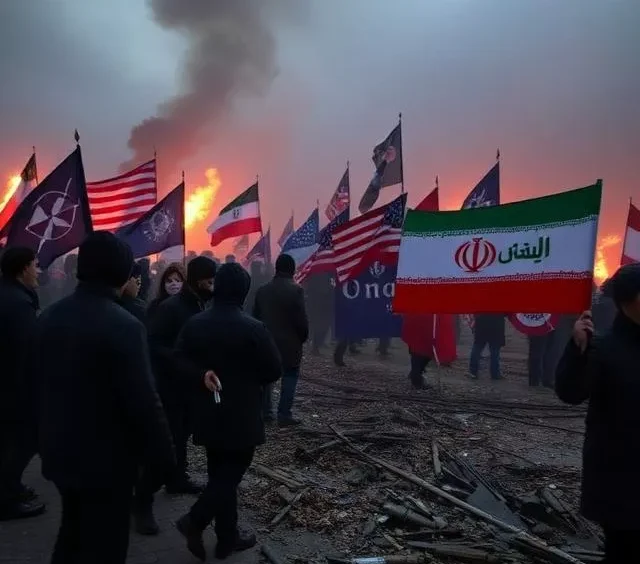
NATO Reactions to US Iran War 2026: Country Breakdown
The 2026 Iran War, launched by joint U.S.-Israeli strikes on February 28, 2026, has exposed clear divisions inside NATO. While NATO Secretary General Mark Rutte praised the action for degrading Iran’s nuclear and ballistic missile capabilities, the alliance as a whole has refused direct military involvement. Most member states have limited their role to defensive measures or logistics, with many calling for de-escalation. President Donald Trump has strongly criticized this reluctance, warning that the U.S. will “remember” the response and questioning NATO’s future reliability.
NATO as an Organization: Praise but No Collective Action
NATO has heightened missile defense vigilance to protect member territory (including intercepts near Turkey) and provided enabling support through individual allies. However, there are no plans for Article 5 activation or NATO-wide participation in the conflict. Rutte described the U.S.-Israeli operation as “really important” but repeatedly stressed that NATO will not be “dragged into this.”
Country-Wise Reactions from NATO Members
Strong Supporters (Open backing of U.S.-Israeli strikes):
- Lithuania, Latvia, Poland, Czech Republic, Albania, North Macedonia: These countries voiced strong public support, often citing Iran’s drone supplies to Russia and the threat of Iranian nuclear ambitions. Poland has emphasized protecting its own territory but aligned politically with the U.S. action.
- Canada: One of the clearest supporters, with the Prime Minister stating Canada backs the U.S. effort to prevent Iran from obtaining nuclear weapons and threatening regional peace.
Reluctant or Veiled Criticism (Condemned Iranian actions but called for de-escalation and refused direct involvement):
- United Kingdom: Condemned Iranian attacks and expressed readiness to help secure the Strait of Hormuz for energy stability. However, Prime Minister Keir Starmer made it clear the UK will not be drawn into a wider war. The UK has deployed defensive assets (e.g., Royal Navy ships, air defenses) and allowed limited base use for defensive purposes.
- France: Joined joint statements with the UK and Germany condemning Iranian attacks while calling for resumed nuclear negotiations. France deployed some defensive naval and air assets but resisted broader combat roles and has been criticized by Trump for restricting overflights.
- Germany: Defense Minister stated bluntly that “this is not Europe’s war.” Germany has provided limited defensive support but emphasized it has “nothing to do with NATO” and will not participate in securing the Strait of Hormuz militarily.
- Nordic countries (Denmark, Finland, Norway, etc.): Largely neutral or critical. Finland’s President explicitly said the war in Iran “is not a NATO matter” as NATO is a defensive alliance.
Strongly Critical or Opposed:
- Spain: Most vocal opponent among major members. Prime Minister Pedro Sánchez denied the U.S. use of Spanish bases and airspace for Iran-related operations, citing international law concerns. This drew sharp responses from President Trump, including threats of trade repercussions.
- Türkiye: Unequivocally critical of the military action while NATO defended Turkish airspace against Iranian threats.
Other Notable Positions:
- Italy, Netherlands, and others: Participated in joint statements on Strait of Hormuz security but avoided direct combat involvement. Some provided quiet logistical or base access support.
- Several countries (including the UK, France, Italy, Netherlands) joined a March 2026 statement with Japan expressing readiness to contribute to safe passage through the Strait of Hormuz, though actual military commitments remain limited.
Public opinion in countries like Germany, Spain, the UK, and Canada showed notable opposition to deeper involvement.
U.S. Response: Trump’s Sharp Criticism and Warnings
President Donald Trump has repeatedly blasted NATO allies for their limited support:
- He described their reluctance as a “very foolish mistake” and expressed shock that many privately agreed with the strikes but refused to help.
- Trump warned the U.S. will “remember” this response and suggested NATO faces a “very bad future” if allies do not step up, especially on reopening the Strait of Hormuz.
- In public remarks and Truth Social posts, he urged European nations to “learn how to fight for yourself” and questioned whether the alliance remains beneficial to America, hinting at possible re-examination of U.S. commitments.
- U.S. officials have described the situation as potentially a “one-way street,” raising concerns about NATO’s value during major crises.
Despite the criticism, the U.S. has not requested Article 5 and continues operations mainly with Israeli coordination. Trump has indicated the U.S. campaign could conclude in the coming weeks.
Broader Implications
The divided response highlights ongoing transatlantic tensions over burden-sharing and consultation. While some allies offer quiet defensive or logistical help, the overall hesitation has fueled U.S. frustration amid rising global energy costs from Strait of Hormuz disruptions.