



Mexico Sends Aid Ships to Cuba Amid Energy Blockade

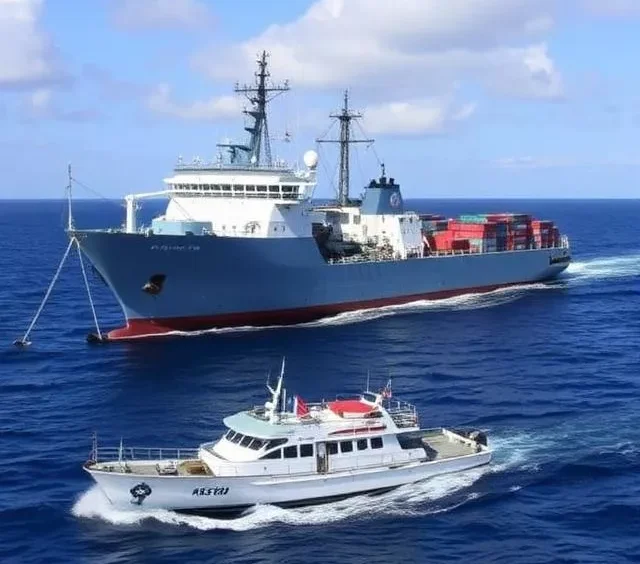
Mexico Sends Aid Ships to Cuba Amid Energy Blockade
Mexico Aid to Cuba – Key Facts at a Glance
- Arrival date: February 12, 2026 (docked in Havana Harbor early morning)
- Ships involved: Mexican Navy logistics support vessels Papaloapan and Isla Holbox
- Cargo details: Over 814 tons total — Papaloapan carried ~536–537 tons (food staples like rice, beans, sardines, meat products, cookies, canned tuna, vegetable oil; plus personal hygiene items); Isla Holbox carried ~277–280 tons (primarily powdered milk)
- Departure: From Veracruz port, Mexico (set sail February 8–9, 2026)
- Sender: Government of Mexico under President Claudia Sheinbaum
- Context: Aid arrives amid severe Cuban energy/fuel crisis triggered by tightened US measures (Trump executive order January 29, 2026, threatening tariffs on countries supplying oil to Cuba); Cuba rationing electricity, fuel, health/transport services; tourism hit hard
- Next steps: Sheinbaum pledged second shipment (1,500 tons powdered milk/beans) soon; diplomatic efforts to resume oil flows while complying with US threats
- Significance: Symbolic solidarity from long-time ally Mexico; humanitarian focus (no oil included); highlights regional tensions over US sanctions/blockade
Introduction: Relief Amid Deepening Crisis
On February 12, 2026, two Mexican Navy ships docked in Havana Harbor carrying over 814 tons of humanitarian aid — a timely lifeline for Cuba as the island grapples with a worsening energy and food crisis exacerbated by US efforts to choke off external fuel supplies.
The vessels Papaloapan and Isla Holbox delivered essential food staples, milk, and hygiene products to support the civilian population, fulfilling President Claudia Sheinbaum’s pledge of solidarity. This comes amid Cuba’s strict rationing of electricity (daily blackouts), fuel (closed petrol stations, aviation shortages), and services — measures blamed by Havana on the US “energy blockade” following Trump’s January executive order threatening tariffs on oil suppliers to the island.
While the aid eases immediate civilian hardship, it underscores Cuba’s vulnerability: no fuel was included, and the broader crisis continues to disrupt daily life, hospitals, schools, tourism, and food production.
Timeline of the Aid Delivery & Crisis Escalation
- January 29, 2026: Trump signs executive order enabling tariffs on countries selling/providing oil to Cuba — effectively halting shipments from Venezuela, Mexico (previously major supplier), and others.
- Early February: Cuba announces emergency rationing — reduced office hours, fuel limits, jet fuel unavailability (Feb 10–March 11 at airports), power cuts paralyzing economy. Airlines (e.g., Air Canada) suspend flights due to fuel shortages.
- February 8–9: Mexican ships depart Veracruz loaded with aid.
- February 12: Papaloapan and Isla Holbox enter Havana Bay; witnessed docking near El Morro castle; cargo offloading begins for distribution to civilians.
- February 12 onward: Sheinbaum confirms more shipments (e.g., 1,500 tons milk/beans); seeks US dialogue to resume oil while prioritizing humanitarian support.
Humanitarian Cargo & Immediate Impact
- Breakdown: Focus on non-perishables and essentials — rice, beans, canned goods, oils, hygiene items (soap, toothpaste), and large powdered milk quantities (critical for children/families amid shortages).
- Distribution: Destined for civilian population via Cuban authorities; aims to alleviate food insecurity in blackouts-hit areas.
- Cuban response: Govt welcomed aid as “solidarity” gesture; President Miguel Díaz-Canel highlighted ongoing blockade effects on vulnerable groups.
Geopolitical Backdrop: US Pressure & Regional Dynamics
- US rationale: Trump administration views Cuba as national security threat; order targets fuel to pressure regime economically (critics call it “blockade” revival).
- Mexico’s tightrope: Sheinbaum halted oil/refined products mid-January under tariff threat; shifted to pure humanitarian aid; emphasizes dialogue and longstanding Latin American ties.
- Cuba’s view: Blames US sanctions for crisis roots (infrastructure decay, tourism collapse, production halts); warns of deeper hardship without fuel access.
- Broader effects: Power outages disrupt hospitals/schools; fuel scarcity hits transport/food distribution; tourism (key revenue) suffers cancellations.
Reactions & Looking Ahead
- Positive: Mexican govt and Cuban officials praised delivery as act of fraternity; Sheinbaum vows continued support.
- Concerns: Aid temporary; no solution to fuel/energy core issue. Analysts note potential for prolonged crisis if oil remains blocked.
- Next developments: Watch for follow-up shipments, US-Mexico talks, Cuban rationing updates, and regional responses (e.g., Venezuela links).
As Cuba navigates survival amid external pressures, this Mexican aid shipment offers short-term relief but highlights the fragility of island life under intensified economic isolation.
Our thoughts remain with Cuban families facing daily hardships.
Published on www.worldreport.press Date: February 13, 2026 Category: Breaking News | Latin America | Humanitarian & Geopolitics
Follow us for more
- Latest tech news
https://worldreport.press/category/tech-news/ - Latest Grok Imagine 2026 update xAI rolls out 10-second videos
https://worldreport.press/tech-news/latest-grok-imagine-2026-update-xai-rolls-out-10-second-videos/ - How AI is reshaping banking in 2026 fewer branches smarter operations
https://worldreport.press/tech-news/how-ai-is-reshaping-banking-in-2026-fewer-branches-smarter-operations/ - Major worldwide news stories recap last week
https://worldreport.press/tech-news/major-worldwide-news-stories-recap-last-week/ - Breaking ChatGPT linked to 9 reported deaths including 5 alleged suicides
https://worldreport.press/tech-news/breaking-chatgpt-linked-to-9-reported-deaths-including-5-alleged-suicides-openai-under-fire-amid-lawsuits-and-musk-altman-clash/