



India-EU Free Trade Agreement 2026: Country-Wise Impact Across EU Member States

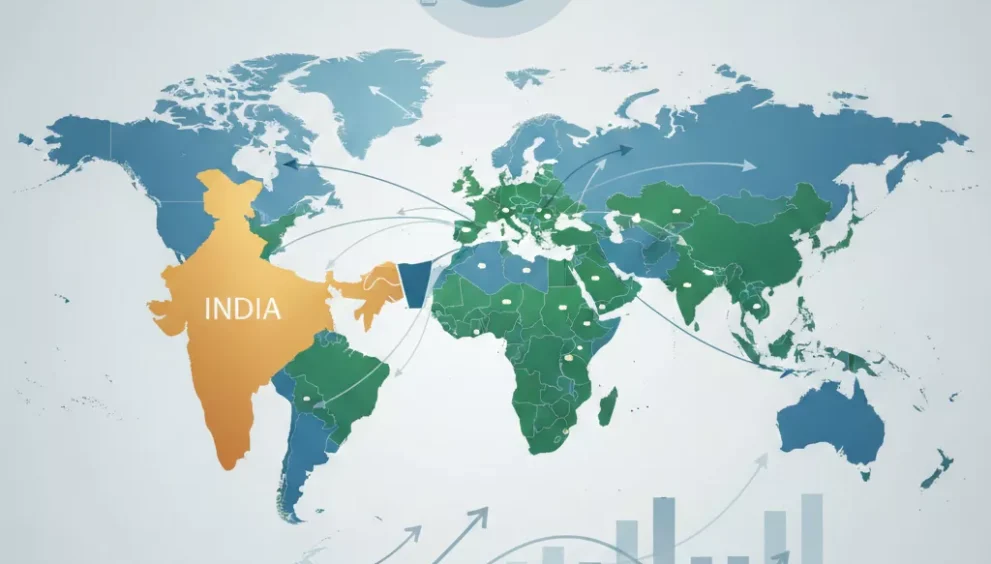
India-EU Free Trade Agreement 2026: Country-Wise Impact Across EU Member States
The landmark India-EU Free Trade Agreement (FTA), finalized on January 27, 2026, during the 16th India-EU Summit in New Delhi, creates one of the world’s largest integrated markets, covering nearly 2 billion people and a significant share of global trade. Dubbed the “mother of all deals” by European Commission President Ursula von der Leyen, the pact eliminates or reduces tariffs on over 96-99% of traded goods by value, liberalizes services, and includes mobility provisions—phased in over 5-10 years, with full effect likely by 2027.
While the EU operates as a single customs union (applying uniform tariffs and rules across all 27 member states), benefits manifest differently based on each country’s export strengths, industrial base, and trade ties with India. The deal boosts EU exports to India (expected to double by 2032) in sectors like automobiles, wines/spirits, olive oil, machinery, chemicals, pharmaceuticals, and services—while securing preferential access for Indian goods like textiles, leather, gems & jewelry, marine products, and IT services.
Country-Wise Breakdown of Key Impacts
Here’s how major EU member states stand to gain, based on their dominant export sectors and bilateral dynamics with India:
- Germany (Largest EU exporter to India): Heavy machinery, automobiles (e.g., high-end cars from Mercedes, BMW, Volkswagen), chemicals, pharmaceuticals, and engineering goods benefit from tariff reductions (phased cuts on cars). Germany’s strong manufacturing base positions it for major gains in industrial exports and supply-chain integration. Enhanced services access (financial, professional) supports German firms’ operations in India.
- France (Key agri-food and luxury exporter): Wines, spirits, cheeses, luxury goods, and aerospace/engineering products see sharp duty cuts (wines from 150%+ to ~20-30%). France’s renowned wine and spirits industry gains preferential access to India’s growing middle-class market. Automotive (e.g., Renault) and services liberalization further boost opportunities.
- Italy (Fashion, food, and machinery leader): Wines, olive oil, confectionery, fashion/leather goods, machinery, and ceramics benefit from reduced tariffs. Italy’s agri-food (olive oil to zero duty) and luxury sectors stand out, alongside engineering exports. Strong bilateral ties amplify gains for Italian SMEs in food processing and design.
- Netherlands (Major trade hub and India’s top EU export destination): As a logistics gateway (Rotterdam port), the Netherlands gains from increased bilateral trade flows. Exports in chemicals, pharmaceuticals, machinery, and agri-products (dairy alternatives, processed foods) benefit. High existing trade volume with India ensures amplified economic spillover.
- Belgium (Chemicals, pharma, and diamonds hub): Chemicals, pharmaceuticals, diamonds/processed gems, and machinery see tariff advantages. Belgium’s Antwerp diamond trade complements India’s gems & jewelry sector, fostering mutual growth in value chains.
- Spain (Agri-food and automotive powerhouse): Wines, olive oil, fruits, confectionery, and automobiles (e.g., SEAT, components) gain from duty reductions. Spain’s food exports (olive oil, wines) target India’s premium market, while automotive parts benefit from phased liberalization.
- Other Notable Member States:
- Sweden/Finland/Denmark — Machinery, renewables, pharmaceuticals, and tech services gain from industrial and green tech access.
- Poland/Hungary/Czech Republic — Automotive components, machinery, and manufacturing benefit from supply-chain shifts.
- Ireland — Pharma, IT services, and financial services see strong upside from services commitments and mobility provisions.
- Austria/Portugal — Machinery, wines (Portugal), and textiles-related inputs gain modestly.
The deal protects sensitive EU agri-sectors (e.g., beef, poultry, rice, sugar) while offering India safeguards on dairy and cereals—ensuring balanced outcomes. Overall, the FTA counters global protectionism (e.g., U.S. tariffs), strengthens supply chains, attracts FDI, and supports jobs across Europe through enhanced market access to India’s fast-growing economy.
Broader Implications for the EU
With bilateral goods trade already exceeding €180 billion annually (supporting ~800,000 EU jobs), the agreement diversifies trade amid geopolitical shifts, promotes sustainability (e.g., cooperation on emissions, circular economy), and deepens strategic ties via paired pacts on security and defense.
WorldReport.press brings you verified, in-depth global trade analysis. Follow for updates on FTA ratification, sector-specific forecasts, and real-time economic impacts.
Which EU country do you think will benefit the most from this deal? Share your thoughts in the comments!
Follow us for more
- Latest tech news
https://worldreport.press/category/tech-news/ - Latest Grok Imagine 2026 update xAI rolls out 10-second videos
https://worldreport.press/tech-news/latest-grok-imagine-2026-update-xai-rolls-out-10-second-videos/ - How AI is reshaping banking in 2026 fewer branches smarter operations
https://worldreport.press/tech-news/how-ai-is-reshaping-banking-in-2026-fewer-branches-smarter-operations/ - Major worldwide news stories recap last week
https://worldreport.press/tech-news/major-worldwide-news-stories-recap-last-week/ - Breaking ChatGPT linked to 9 reported deaths including 5 alleged suicides
https://worldreport.press/tech-news/breaking-chatgpt-linked-to-9-reported-deaths-including-5-alleged-suicides-openai-under-fire-amid-lawsuits-and-musk-altman-clash/