



Global Markets Today: Oil Surge Amid Iran War

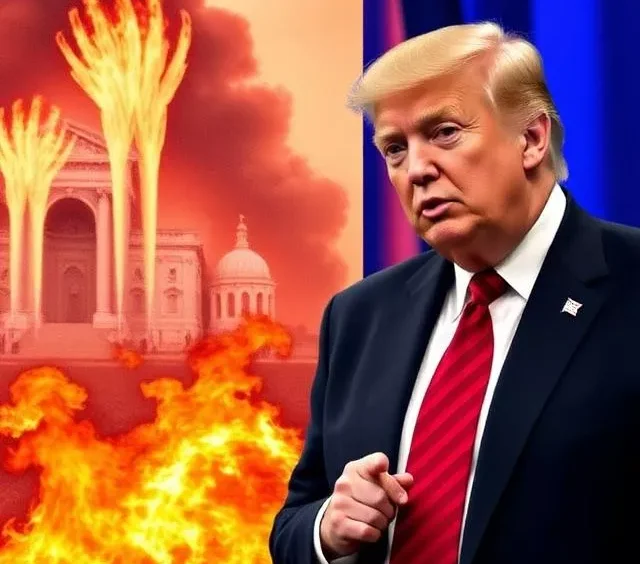
Global financial markets opened Monday, April 6, 2026, on a volatile note as the Iran war entered its sixth week. President Donald Trump’s Easter Sunday profanity-laced threat — warning of strikes on Iranian “Power Plant Day” and bridges if the Strait of Hormuz remains closed — has reignited fears of prolonged energy supply disruptions. This comes shortly after the successful high-risk US rescue of a downed F-15E Strike Eagle crew member deep inside Iran.
The critical chokepoint, which handles roughly 20% of global oil and LNG flows, continues to see severely restricted shipping, driving energy prices sharply higher and weighing on risk assets worldwide.
Oil Markets: Brent and WTI Surge on Escalation Fears
- WTI Crude climbed above $111 per barrel in early trading, flipping to a premium over Brent for the first time in years.
- Brent Crude hovered near or above $109–110, reflecting ongoing risk premium from potential further disruption.
- Analysts note that sustained Hormuz closure has already removed significant volumes from the market, with prices remaining elevated despite occasional dips on ceasefire speculation.
Higher energy costs are feeding into inflation concerns, particularly for import-dependent economies in Europe and Asia.
Equity Markets: Risk-Off Sentiment Dominates
Major stock indices faced downward pressure as investors weighed the risk of prolonged conflict against any potential quick resolution:
- US Futures (S&P 500, Dow, Nasdaq) opened lower, extending recent losses amid fears of stagflation (higher inflation + slower growth).
- European Markets (FTSE, DAX, CAC) traded cautiously red, with energy-intensive sectors (chemicals, airlines, autos) underperforming.
- Asian Markets (Nikkei, KOSPI, Hang Seng) showed mixed but mostly negative reactions from Friday’s close, with energy importers like South Korea and Japan remaining vulnerable.
- Defense and energy stocks gained, while technology and consumer discretionary names lagged.
Global equities have already seen notable drawdowns since the war began in late February, with some indices down 7–20% in affected regions.
Bonds, Currencies & Safe Havens
- US Treasury Yields rose modestly as inflation fears outweighed flight-to-safety flows in the short term.
- The US Dollar strengthened against most majors, benefiting from its safe-haven status and higher US energy independence.
- Gold and other precious metals saw support as geopolitical uncertainty persisted, though gains were capped by a stronger dollar.
- Cryptocurrencies traded volatile, mirroring broader risk-off moves.
Sector and Regional Winners/Losers Today
- Winners: Energy producers, defense contractors, and select commodity-related firms.
- Losers: Airlines (higher fuel costs), manufacturing, and emerging market equities sensitive to oil imports.
- Gulf-linked markets and currencies faced additional pressure from shipping disruptions and regional tensions.
Broader Context and Outlook
Trump has hinted that core US-Israeli military objectives are nearing completion and expressed openness to winding down operations if Iran complies with demands to reopen the Strait. However, indirect talks remain stalled, and Iranian retaliation (including recent missile strikes on Haifa causing injuries) continues.
Markets are pricing in a significant risk premium. A swift reopening of the Strait could trigger a sharp relief rally in stocks and drop in oil prices. Conversely, escalation around the April 7–8 deadline risks deeper losses and broader economic pain.
Economists warn that prolonged high oil prices could shave global GDP growth while pushing inflation higher, complicating central bank policies worldwide.
Stay tuned to WorldReport.press for live updates on the Iran war’s impact on global markets, including intraday moves, expert analysis, and country-specific effects.
Last updated: April 6, 2026. Market data reflects early trading conditions; always verify with real-time sources.
How is the Iran war affecting your investments or business? Share your thoughts in the comments below. Subscribe to our newsletter for daily global markets and geopolitics briefings, and follow us for breaking alerts on oil prices, stocks, and the Strait of Hormuz crisis.