



Cuba Hit by Third Blackout Amid Energy Crisis

Cuba Hit by Third Blackout Amid Energy Crisis
March 28, 2026
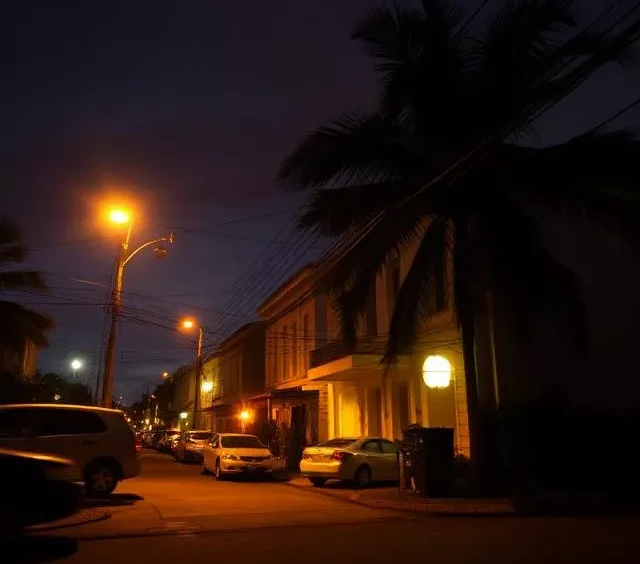
For the third time in March 2026, Cuba’s fragile national electricity grid collapsed completely, plunging the entire island nation of over 11 million people into darkness for hours. The latest blackout struck on Saturday, March 21, leaving millions without power during the evening peak hours and forcing the government to prioritize restoration for hospitals, food distribution centers, and other essential services.
This follows similar nationwide failures earlier in the month and a previous collapse just days prior. Cuban officials attribute the repeated outages to a combination of aging infrastructure, fuel shortages, and the ongoing U.S. oil blockade that has cut off vital supplies from Venezuela. As residents once again lit candles, used flashlights, and gathered on streets in the dark, the crisis has highlighted the Caribbean nation’s chronic energy vulnerabilities and raised questions about long-term stability.
The Cuban Electric Union (UNE) announced the total grid failure on social media, noting a massive power deficit exceeding 1,700 megawatts during peak demand. Restoration efforts began immediately, with partial power returning to some areas within hours, but full recovery took days in previous incidents. Citizens in Havana and other cities reported spending nights without electricity, water pumps failing, and food spoiling in refrigerators — compounding daily hardships in an economy already strained by inflation, limited imports, and tourism challenges.
Root Causes: Decaying Infrastructure Meets Geopolitical Pressure
Cuba’s power grid has been teetering for years, plagued by outdated thermoelectric plants, frequent breakdowns, and insufficient maintenance due to economic constraints. The island relies heavily on imported fuel, particularly crude oil and diesel from Venezuela, which historically accounted for a significant portion of its energy needs under long-standing bilateral agreements.
However, the situation worsened dramatically after the U.S. intensified measures in early 2026 that effectively blocked Venezuelan oil deliveries to Cuba. This “oil blockade,” as described by Cuban authorities, has forced the country to ration fuel severely, leading to rolling blackouts that have now escalated into full nationwide collapses.
Experts point to multiple interconnected factors:
- Aging Power Plants: Many of Cuba’s main generating facilities date back decades, with frequent mechanical failures. Maintenance is hampered by shortages of spare parts, which are difficult to obtain under U.S. sanctions.
- Fuel Shortages: With Venezuelan supplies curtailed, Cuba has turned to limited alternatives, including occasional shipments from Russia (such as shadow fleet tankers expected later in March). However, these have proven insufficient to meet demand, especially during peak consumption periods.
- High Demand and Weather Factors: Hot weather increases air conditioning use, while occasional storms or technical glitches can tip the overloaded system over the edge.
- Economic Isolation: Broader U.S. embargo policies limit Cuba’s ability to access international financing for infrastructure upgrades or diversified energy sources.
Cuban President Miguel Díaz-Canel has publicly criticized the U.S. measures, calling them part of an economic war aimed at destabilizing the socialist government. In statements this week, officials emphasized that the blackouts are not due to mismanagement alone but are exacerbated by external pressures. Restoration teams worked around the clock, prioritizing critical infrastructure like hospitals (which often rely on backup generators) and water treatment facilities.
Daily Life Under Blackout Conditions
For ordinary Cubans, repeated blackouts mean more than inconvenience. In Havana, families cook with gas or charcoal when possible, but many rely on electric stoves. Without power, elevators in high-rise buildings stop, forcing elderly residents to climb stairs. Businesses, including small shops and restaurants, lose refrigeration and revenue. Internet and mobile services become unreliable as cell towers lose backup power.
Social media (where access is available) filled with images of dark streets, people using phone flashlights, and neighbors sharing resources. Some areas reported minor protests or expressions of frustration, though large-scale unrest has not materialized. The government has urged calm and promised accelerated repairs, while appealing for international solidarity.
The blackouts also affect essential services. Schools may cancel classes, healthcare facilities operate on generators (with fuel rationing), and food supply chains face disruptions. Farmers and agricultural workers, already dealing with fertilizer shortages potentially linked to global energy price spikes from the Middle East conflict, face additional challenges in irrigation and storage.
This is not Cuba’s first energy crisis — similar widespread outages occurred in 2024 and 2025 — but the frequency in March 2026 signals a new level of severity. Previous incidents took several days to fully resolve, leaving parts of the country with only a few hours of electricity daily during recovery.
Geopolitical Context and International Dimensions
The timing of Cuba’s energy woes coincides with global turmoil, particularly the ongoing US-Israel military campaign against Iran. While not directly related, the Middle East conflict has driven up global oil and gas prices dramatically, with Brent crude surpassing $110 per barrel at points this week due to disruptions in the Strait of Hormuz. Higher international energy costs make alternative fuel imports even more expensive for cash-strapped Cuba.
The U.S. has defended its policies toward Cuba and Venezuela as targeting regimes that undermine regional stability and democracy. Trump administration officials have pointed to human rights concerns and alleged support for adversarial groups. However, critics, including some international observers and humanitarian organizations, argue that broad sanctions disproportionately harm ordinary citizens rather than achieving political change.
Russia has emerged as a potential supporter, with reports of planned oil and diesel deliveries via shadow fleet tankers sufficient for a couple of weeks. China and other allies have provided limited aid in the past, but sustained relief remains uncertain.
In the broader Latin American context, countries like Colombia, Brazil, and Mexico watch developments closely. Some regional leaders have expressed concern about migration pressures if Cuba’s crisis deepens, while others call for dialogue to ease sanctions.
Humanitarian and Economic Impacts
The energy crisis compounds Cuba’s existing economic difficulties. Tourism, a key revenue source, has suffered from perceptions of instability and infrastructure issues. Remittances from the Cuban diaspora help many families, but inflation erodes purchasing power.
Health experts warn of risks from prolonged blackouts, including spoiled medicines, contaminated water if pumping stations fail, and increased respiratory issues from alternative cooking fuels. Food security is another concern, as refrigeration failures affect both households and commercial supplies.
The United Nations and humanitarian groups have called for targeted aid to mitigate civilian suffering, emphasizing the need for fuel for essential services. However, delivery is complicated by sanctions and logistical hurdles.
Economically, each major blackout costs millions in lost productivity, damaged equipment, and spoiled goods. Long-term, the lack of reliable power deters foreign investment and hinders industrial recovery.
Outlook: Fragile Grid and Uncertain Future
As March ends, Cuban authorities report gradual restoration after the latest collapse, but warnings persist that further blackouts could occur without significant fuel inflows or infrastructure repairs. Plans for renewable energy (solar and wind) exist, but implementation is slow due to funding shortages and technical challenges.
Analysts suggest several scenarios:
- Short-term relief through emergency imports or Russian assistance could stabilize the grid temporarily.
- Prolonged shortages might force deeper rationing and economic adjustments.
- Diplomatic shifts, such as eased U.S. policies or new trade deals, could provide breathing room, though prospects appear dim in the current geopolitical climate.
For the Cuban people, resilience has become a way of life. Many adapt by organizing community support, using alternative energy sources where possible, and maintaining hope for better days.
The repeated blackouts serve as a stark illustration of how domestic vulnerabilities intersect with international politics. In a world already strained by the Iran war, oil market volatility, and other conflicts, Cuba’s energy crisis adds another layer to global humanitarian concerns.
WorldReport.press will continue monitoring the situation in Havana and across the island, including any policy responses, international reactions, and impacts on daily life. The coming weeks may determine whether this is a temporary spike in an ongoing struggle or the beginning of a deeper systemic breakdown.