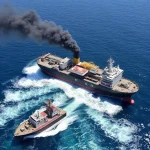



US Navy Blockade Threatens Global Oil Supply

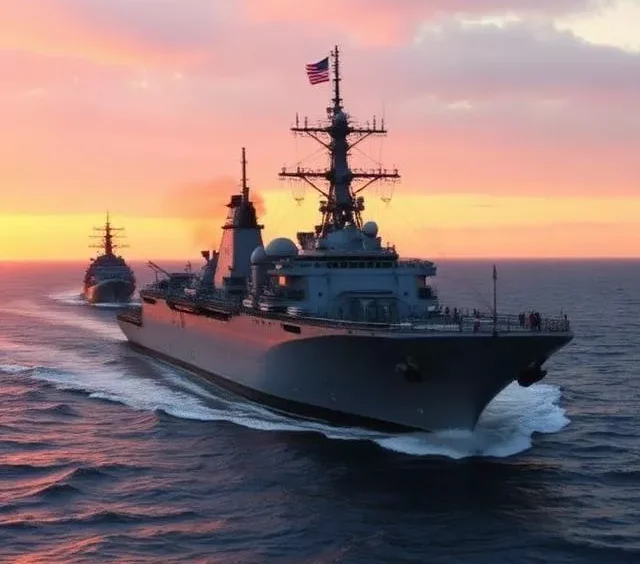
The United States has escalated its military pressure on Iran by imposing a naval blockade on all vessels entering or leaving Iranian ports in the Strait of Hormuz, one of the world’s most critical energy chokepoints.
The blockade officially took effect on Monday, April 13, 2026, at 10:00 a.m. EDT, following the collapse of high-level peace negotiations held in Islamabad, Pakistan, over the weekend. U.S. Central Command (CENTCOM) confirmed the operation targets maritime traffic linked to Iranian ports while stating it will not impede freedom of navigation for vessels transiting to or from non-Iranian ports.
President Donald Trump described the move as necessary to prevent Iran from “blackmailing” the world, while warning that any Iranian fast-attack vessels approaching the blockade would face immediate elimination.
Why the Strait of Hormuz Matters to the Global Economy
The Strait of Hormuz is a narrow waterway connecting the Persian Gulf to the Gulf of Oman. Before the current tensions escalated, it carried approximately 20% of global seaborne oil trade and a significant share of liquefied natural gas (LNG) and other commodities daily — roughly 20 million barrels of oil per day.
This single chokepoint serves as the primary export route for oil from major producers including Saudi Arabia, the United Arab Emirates, Iraq, Kuwait, and Qatar. Any sustained disruption here has immediate and far-reaching consequences for energy markets worldwide.
Oil Prices Surge as Blockade Begins
Global oil benchmarks reacted sharply to the news. Brent crude climbed above $100–$103 per barrel, with analysts warning of further increases if the situation prolongs or escalates. This marks one of the fastest price surges linked to a geopolitical event in recent years.
The blockade comes amid an already fragile two-week ceasefire between the US and Iran. Iran has responded by labeling the action “piracy” and warning of retaliation, including potential threats to other ports in the Persian Gulf and Gulf of Oman.
Broader Global Implications
- Energy Security: Countries heavily dependent on Gulf oil — especially in Asia (China, India, Japan, South Korea) and Europe — face heightened risks of supply shortages and higher import costs.
- Shipping and Trade: Increased insurance premiums, rerouting of tankers, and potential mine-clearing operations could disrupt global supply chains for fuel, fertilizers, and other goods.
- Economic Ripple Effects: Higher energy prices are likely to fuel inflation, slow economic growth, and strain government budgets in both developed and developing nations. Some forecasts suggest prolonged disruption could shave 0.2–1.3 percentage points off global GDP growth depending on duration.
Saudi Arabia and other Gulf states have reportedly urged Washington to ease the blockade to avoid wider regional retaliation, including possible Iranian actions against the Bab al-Mandeb strait.
Diplomatic Outlook
Despite the military escalation, President Trump indicated that Iranian officials had reached out expressing interest in further negotiations. Vice President JD Vance had led the earlier talks in Islamabad, which stalled over issues including Iran’s nuclear program and freedom of navigation in the strait.
The current ceasefire remains in place until around April 22, but the active blockade has significantly raised the risk of miscalculation or direct confrontation.
WorldReport.press will continue to monitor developments in the Iran conflict, the Strait of Hormuz blockade, oil market volatility, and the worldwide economic fallout as this story evolves rapidly.