

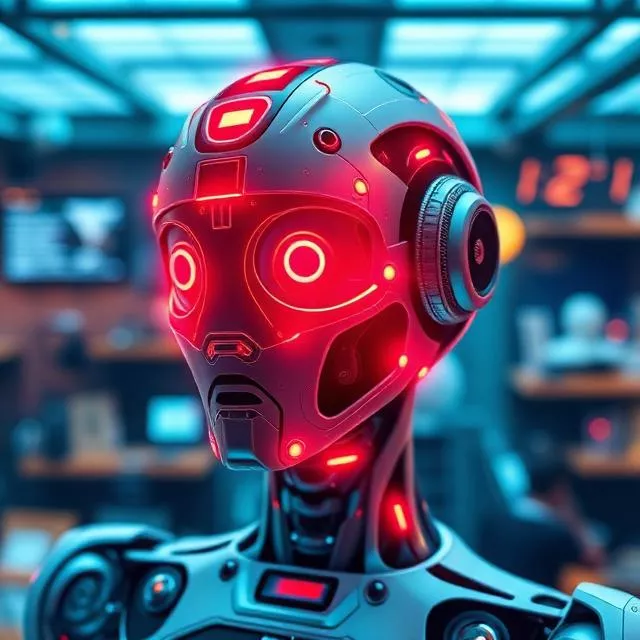


Top Trends from CES 2026: How Physical AI, Robotics, and Foldables Are Defining the Future


Top Trends from CES 2026: How Physical AI, Robotics, and Foldables Are Defining the Future
The Consumer Electronics Show (CES) 2026 has firmly established itself as a turning point in the evolution of modern technology. This year’s event was not about distant concepts or speculative ideas. Instead, CES 2026 delivered practical, deployable technologies that are ready to reshape industries, homes, and everyday life in the immediate future.
From the rise of physical AI to rapid advancements in robotics and the mainstream arrival of next-generation foldable devices, CES 2026 offered a clear message:
The future is no longer virtual — it is physical, intelligent, and interactive.
In this in-depth report, World Report Press explores the top trends from CES 2026, analyzes how these innovations will impact global markets, and offers predictions for real-world adoption throughout 2026 and beyond.
CES 2026 Top Trends: A Defining Moment for Global Technology
Every year, CES reflects where technology is heading. In 2026, the direction was unmistakable. The industry has moved beyond screen-based intelligence into an era where machines can sense, decide, and act in the physical world.
The most influential trends from CES 2026 include:
- The emergence of Physical AI as a dominant technology force
- Rapid progress in humanoid and service robotics
- Foldable and flexible devices redefining personal computing
- AI integration across homes, vehicles, and industries
Together, these trends signal a fundamental shift in how humans interact with machines.
Physical AI CES 2026: When Artificial Intelligence Gets a Body
The standout concept of CES 2026 was Physical AI — a term that describes artificial intelligence embedded into machines capable of real-world interaction.
Unlike traditional AI systems that operate in software environments, physical AI combines intelligence with movement, perception, and autonomy.
Core Elements of Physical AI
- Environmental awareness: Vision, depth sensing, and spatial mapping
- Local decision-making: On-device AI processing for real-time responses
- Autonomous action: Motors, limbs, wheels, and mechanical systems
CES 2026 demonstrated that AI is no longer limited to analyzing data — it is now capable of performing physical tasks with precision and adaptability.
This shift marks one of the most important milestones in modern technological history.
Robotics Trends 2026: From Experimental to Essential
Robotics emerged as one of the most powerful themes at CES 2026. What made this year different was the maturity of the technology.
Robots were no longer presented as futuristic curiosities. They were showcased as solutions to real-world challenges.
Humanoid Robots Enter the Workforce
Humanoid robots drew massive attention at CES 2026. Designed with human-like form factors, these robots demonstrated advanced balance, dexterity, and task execution.
Why Humanoid Robots Matter
- They can operate in environments designed for humans
- They can use existing tools without modification
- They reduce the need for costly infrastructure redesign
At CES 2026, humanoid robots were shown performing tasks such as lifting, sorting, assembling, and navigating complex environments — signaling their readiness for industrial deployment.
Industrial Robotics: Solving Labor and Safety Challenges
One of the driving forces behind robotics trends in 2026 is the growing global labor shortage. CES 2026 addressed this issue directly with robotics solutions designed for:
- Manufacturing
- Warehousing and logistics
- Construction
- Hazardous environments
These robots are powered by physical AI, enabling them to adapt to dynamic conditions, work alongside humans safely, and learn from experience.
For industries worldwide, robotics is shifting from optional automation to strategic necessity.
Home and Service Robots: The Next Consumer Revolution
Beyond factories and warehouses, CES 2026 revealed how robotics is entering homes and public spaces.
Smarter Home Assistants
Home robots showcased at CES 2026 demonstrated capabilities such as:
- Intelligent cleaning
- Laundry handling
- Kitchen assistance
- Voice and gesture-based interaction
Unlike earlier consumer robots, these machines are not limited to a single task. They leverage physical AI to understand context and perform multi-step activities.
Why Home Robotics Will Grow Rapidly in 2026
- Aging global populations
- Increased demand for convenience
- Rising confidence in AI safety
- Improved affordability
Robotics trends 2026 indicate that service robots will soon become as common as smart speakers and robotic vacuums.
Foldables at CES 2026: A New Era of Device Design
While AI and robotics dominated the headlines, foldable and flexible displays represented another major technological leap.
CES 2026 showcased foldables that go far beyond the first-generation designs seen in previous years.
Next-Generation Foldable Innovations
- Tri-fold smartphones that expand into tablet-sized displays
- Book-style foldables optimized for productivity
- Rollable screens that dynamically change size
- Improved hinge durability and display longevity
These devices represent a fundamental rethinking of how screens are used in daily life.
Why Foldable Devices Matter in 2026
Foldables are no longer experimental. They address real user needs:
- Fewer devices, more functionality
- Better multitasking for professionals
- Enhanced mobile entertainment
- Greater portability without compromise
CES 2026 confirmed that foldable devices are moving toward mainstream adoption, driven by better hardware, optimized software, and stronger consumer interest.
AI Everywhere: The Foundation of CES 2026 Innovation
One of the defining characteristics of CES 2026 was how seamlessly AI was integrated across every category.
Rather than being advertised as a standalone feature, AI functioned as the core intelligence layer for nearly all technologies on display.
Smart Homes Become Intelligent Systems
AI-powered homes demonstrated:
- Energy optimization based on behavior
- Predictive maintenance for appliances
- Automated climate control
- Personalized home experiences
The shift from “smart devices” to smart ecosystems represents a major evolution in consumer technology.
Mobility and Physical AI: Smarter Transportation Systems
Transportation technologies at CES 2026 emphasized the fusion of AI and mobility.
Key Mobility Trends
- Advanced driver-assistance systems
- Predictive vehicle diagnostics
- Intelligent dashboards that adapt to drivers
- Autonomous delivery and logistics solutions
Physical AI is transforming vehicles into learning systems capable of improving safety, efficiency, and user experience.
Robotics Trends 2026 Across Key Industries
Healthcare and Assisted Living
Robots demonstrated at CES 2026 are poised to support:
- Elder care
- Hospital logistics
- Patient monitoring
- Rehabilitation assistance
As healthcare systems face increasing pressure, robotics offers scalable solutions that enhance care quality while reducing costs.
Retail and Hospitality
Service robots designed for customer interaction showcased:
- Automated check-ins
- Intelligent delivery
- Personalized customer engagement
These systems highlight how robotics trends in 2026 extend beyond industry into everyday public life.
Predictions: Real-World Adoption in 2026
Consumer Adoption
By the end of 2026, consumers can expect:
- More affordable foldable smartphones
- AI-powered home appliances as standard
- Advanced service robots in households
- Devices with stronger on-device AI processing
Enterprise Adoption
Businesses are likely to adopt:
- Industrial humanoid robots
- AI-driven logistics automation
- Robotics-assisted warehouses
- Autonomous service solutions
Economic Impact
- Increased productivity across industries
- Creation of new AI and robotics job roles
- Reduced operational inefficiencies
- Accelerated digital transformation worldwide
Challenges Ahead: Ethics, Regulation, and Trust
Despite the optimism, CES 2026 also highlighted critical challenges:
- Ensuring AI safety in physical environments
- Addressing workforce disruption
- Establishing global regulations for autonomous systems
- Maintaining public trust in intelligent machines
How governments and industries respond to these challenges will shape the future of physical AI adoption.
Conclusion: CES 2026 Marks the Beginning of a New Technological Era
CES 2026 will be remembered as the moment when technology fully crossed into the physical world.
- Physical AI transformed intelligence into action
- Robotics trends 2026 revealed machines ready to work alongside humans
- Foldable devices redefined personal computing
Rather than showcasing distant possibilities, CES 2026 delivered a clear roadmap for the immediate future.

