



Iran War 2026: Country-Wise Impact on Global Economy, Oil Prices, Energy Crisis & Remittances


By Global Affairs Desk – WorldReport.press
Introduction: How the Iran War Is Reshaping the World Economy
The 2026 Iran War, triggered by US and Israeli airstrikes on February 28, has escalated with Iran’s effective closure of the Strait of Hormuz — the chokepoint for nearly 20% of global oil and significant LNG supplies. Oil prices have surged past $100–120 per barrel, triggering energy shortages, inflation spikes, and supply chain disruptions worldwide.
While no major power is in direct combat outside the region, the ripple effects are hitting every continent. Asia, heavily dependent on Middle East energy, faces the sharpest pain. Europe grapples with renewed gas crises. Gulf economies suffer direct hits. Even oil producers like Russia and the US see mixed outcomes.
This in-depth guide breaks down the country-wise impact with data-backed insights for businesses, policymakers, NRIs, and global citizens.
Asia: Hardest Hit Region Due to High Import Dependence
India
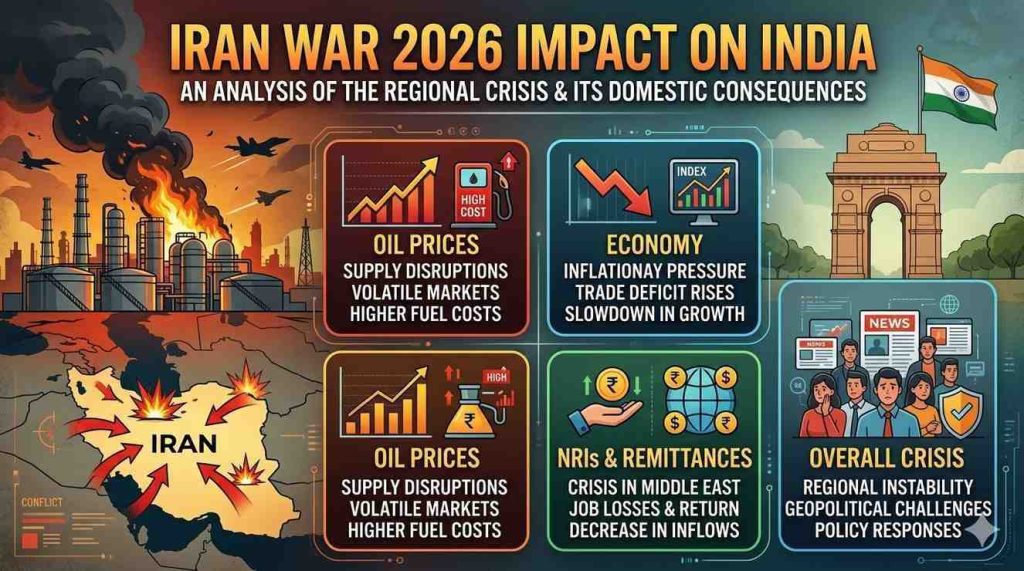
- Imports ~55–60% of crude oil and over 75% of LPG via the Strait of Hormuz.
- Brent price spike has widened the current account deficit; rupee weakened toward 92–95 levels.
- $50 billion annual remittances from ~9–10 million Gulf NRIs at risk; potential reverse migration creating a “triple threat” (high energy costs + falling remittances + returning workers).
- Government prioritising household LPG, releasing reserves, and diversifying imports (including Russian oil via US waiver). Inflation and food prices rising; growth forecasts cut.
China
- ~40–50% of crude and one-third of LNG from the region.
- Strategic reserves (over 1.4 billion barrels) and land pipelines from Russia provide some buffer.
- Iran reportedly allowing Chinese vessels and yuan-denominated cargoes through the strait. Still faces higher costs and potential inflation; positioned relatively better than peers.
Japan
- 95% of oil imports from Middle East, ~90% via Hormuz.
- Released strategic reserves; yen weakened, pushing up import costs and food prices. Industrial sector vulnerable due to energy intensity.
South Korea
- Imposed first fuel price caps in decades. KOSPI suffered major crash (circuit breakers triggered). Preparing for currency crisis as won weakens.
Other Asian Nations
- Pakistan & Bangladesh: Fuel rationing, university closures, troop deployment at depots; turned to China/India for emergency diesel.
- Philippines: Four-day work week for government offices, higher AC settings mandated; restaurants cutting operations.
- Thailand: State agencies working from home; diesel price caps; tourism and exports at risk — growth could halve if prolonged.
- Vietnam & Indonesia: Thin reserves (under 20–30 days); subsidy increases and tariff cuts to absorb shock.
Gulf & Middle East: Direct Economic and Humanitarian Pain
- Saudi Arabia, UAE, Qatar, Kuwait: Oil & LNG production slashed (collective drop of 6–10 million barrels/day). Qatar’s Ras Laffan facility hit, losing ~17% LNG capacity. GDP forecasts: Kuwait & Qatar potentially -14%, UAE -5%, Saudi -3%.
- Food imports (80%+ via strait) disrupted → 40–120% price spikes; desalination plants targeted, raising water security fears.
- Aviation (Emirates, Qatar Airways) near standstill due to airspace issues. Mass exodus of expatriate workers underway.
Iran: Economy already collapsing under sanctions and strikes; GDP contraction likely >10%. Power infrastructure threatened by US ultimatums.
Europe: Renewed Energy Crisis Echoing 2022
- Heavy reliance on Qatari LNG (post-Russia pivot). Gas prices doubled in some markets.
- Germany & Italy: Industry-heavy economies facing higher costs; manufacturing competitiveness eroded.
- UK: Greater dependence on gas-fired power → elevated electricity bills.
- Overall: Inflation up, growth downgraded by 0.5–1%+ if crisis persists. EU pushing nuclear and renewables acceleration.
United States & Other Western Economies
- Higher gasoline prices ($3.88+/gallon nationally, near $6 in California).
- As a net oil producer, US benefits from higher prices in the short term but faces inflation and consumer spending pressure.
- Trump administration considering sanctions relief on Russian/Iranian oil to ease global supply. Stock markets volatile (Dow, S&P declines).
Winners Amid the Crisis
- Russia: Oil sales to India surged 50%; higher prices boost revenues; LNG gains relative value.
- Canada & Norway: Major energy exporters benefiting from price surge.
- US shale/oil sector seeing revenue upside.
Global Macro Effects
- Inflation: Global +0.8% possible; emerging markets hit harder.
- GDP: WTO warns of 0.3% drag on world growth; Europe and Asia most affected.
- Currency & Markets: Stronger USD; depreciations in India, Thailand, Philippines, South Korea. Gold as safe haven rising.
- Food & Fertiliser: 15–20% price increase expected, threatening agriculture in import-dependent nations.
Government Responses & Outlook
- Diversification & Reserves: India, Japan, South Korea releasing stockpiles.
- Rationing & Conservation: Work-from-home orders, shorter weeks, fuel caps across Asia.
- Diplomatic Efforts: US ultimatum on reopening Hormuz; multinational pledges for safe passage. India engaging all sides for citizen safety and energy flows.
- Long-Term Risks: Prolonged war (>3 months) could trigger recessionary pressures, especially in energy-vulnerable emerging economies.
Conclusion: A Global Wake-Up Call for Energy Resilience
The 2026 Iran War demonstrates how a single chokepoint can destabilise worldwide supply chains. Asia bears the brunt due to import reliance, while Gulf states face existential economic hits. Developed nations grapple with inflation, and select producers gain.
The duration of the Strait of Hormuz disruption will determine severity. WorldReport.press will continue monitoring real-time updates, including oil trends, NRI safety, and policy shifts.
What’s your country experiencing? Share in the comments — higher fuel bills, job impacts, or government measures?
Sources (for EEAT transparency): Reuters, Bloomberg, Al Jazeera, BBC, The Hindu, Economic Times, WTO, IEA, and official government statements as of March 24, 2026.
Author Bio: WorldReport.press Global Affairs Desk – Team of veteran international correspondents with decades of experience covering geopolitics, energy markets, and economic crises from Washington, Beijing, Delhi, and Dubai.
Share this analysis with your network. Stay informed in uncertain times. WorldReport.press – Unbiased Global News That Matters

