



Maha Shivaratri 2026: Global Celebrations Guide

Maha Shivaratri 2026: Global Celebrations Guide
Introduction to Maha Shivaratri
Maha Shivaratri, the “Great Night of Shiva,” stands as one of Hinduism’s most significant festivals, celebrated with profound devotion across the globe. In 2026, this auspicious occasion falls on February 26th, drawing millions of devotees to temples and sacred sites worldwide. The festival commemorates the marriage of Lord Shiva and Goddess Parvati, as well as the night when Shiva performed the cosmic dance of creation, preservation, and destruction.
From the snow-capped peaks of the Himalayas to tropical islands in Southeast Asia, Maha Shivaratri transcends geographical boundaries, uniting devotees in spiritual observance. This comprehensive guide explores how different nations celebrate this sacred night, highlighting unique traditions while honoring the festival’s core spiritual significance. For more insights into Hindu festivals and traditions, visit www.hinduton.com.
India: The Heartland of Shivaratri Celebrations
Varanasi, Uttar Pradesh
In the spiritual capital of India, Varanasi transforms into a celestial realm during Maha Shivaratri. The Kashi Vishwanath Temple witnesses unprecedented crowds as devotees queue for hours to offer prayers. The ghats along the Ganges River illuminate with thousands of diyas (oil lamps), creating a mesmerizing spectacle. Devotees perform the sacred Rudrabhishek, bathing the Shiva Lingam with milk, honey, yogurt, ghee, and water while chanting Vedic mantras.
Ujjain, Madhya Pradesh
The Mahakaleshwar Jyotirlinga in Ujjain hosts one of India’s most grand celebrations. The famous Bhasma Aarti at dawn—where the deity is adorned with sacred ash from cremation grounds—attracts devotees nationwide. The temple remains open throughout the night, with continuous abhishekam ceremonies and devotional music resonating through its ancient corridors.
Kedarnath and Amarnath
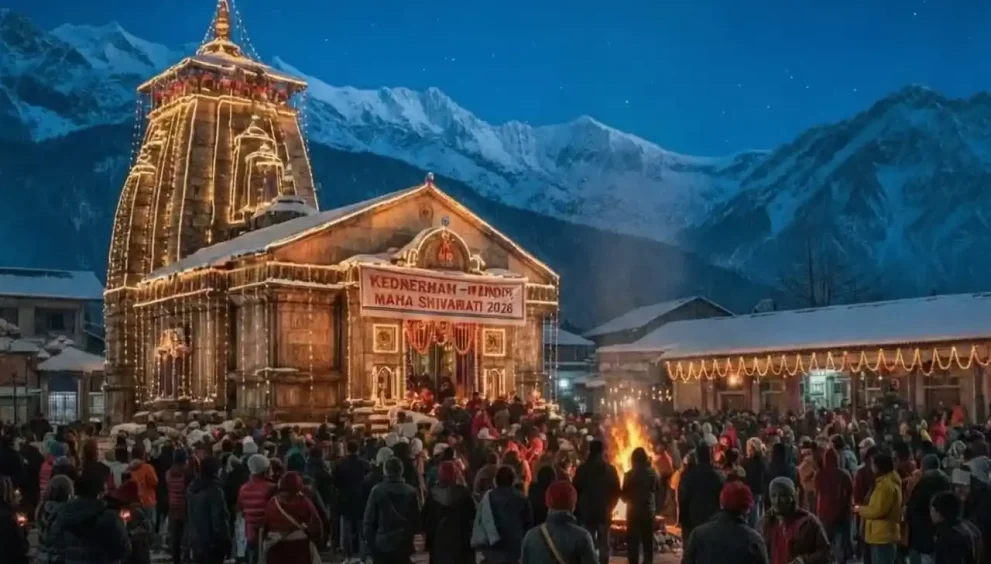
In the Himalayan regions, pilgrims brave challenging terrain to reach the sacred Kedarnath Temple and the ice Shiva Lingam at Amarnath Cave. Despite harsh weather conditions in February, thousands undertake these spiritual journeys, considering it the ultimate expression of devotion. Special arrangements ensure safe passage for pilgrims during this auspicious period.
Tamil Nadu Celebrations
In Tamil Nadu, the festival is celebrated with unique regional flavors. The Nataraja Temple in Chidambaram and the Kapaleeshwarar Temple in Chennai witness elaborate processions. Devotees perform the all-night vigil, engaging in meditation, chanting, and listening to discourses on Shiva’s glory. Traditional South Indian classical music and dance performances add cultural richness to the spiritual observance.
Nepal: Sacred Celebrations at Pashupatinath
Nepal’s Pashupatinath Temple in Kathmandu becomes the epicenter of Shivaratri festivities. As one of the most sacred Shiva temples globally and a UNESCO World Heritage Site, it attracts over 100,000 devotees and sadhus (holy men) from across Nepal and India. The temple complex along the Bagmati River witnesses elaborate rituals, with sadhus performing yogic practices and meditation throughout the night.
The festival holds official status in Nepal, with a national holiday declared. Devotees observe strict fasting, consume traditional offerings of cannabis (legal and ritualistic), and participate in bhajan singing. The atmosphere blends deep spirituality with vibrant cultural expressions, making it a unique experience. Learn more about Nepali Hindu traditions at www.hinduton.com.
Mauritius: Grand Bassin’s Sacred Pilgrimage
Mauritius hosts one of the largest Shivaratri celebrations outside India at Ganga Talao (Grand Bassin), a crater lake considered sacred by the Hindu community. Approximately 400,000 to 500,000 devotees—nearly half the island’s population—undertake the pilgrimage, walking barefoot from various parts of the island carrying kanwars (decorated bamboo structures) on their shoulders.
The journey, some covering over 50 kilometers, symbolizes devotion and purification. At Grand Bassin, devotees collect holy water to pour over the Shiva Lingam. The site features a massive 108-foot statue of Lord Shiva, creating an awe-inspiring backdrop. The festival showcases the strong Indo-Mauritian cultural heritage and the community’s commitment to preserving Hindu traditions.
Indonesia: Bali’s Unique Shivaratri Traditions
In Bali, Indonesia, Maha Shivaratri takes on distinctive characteristics influenced by the island’s unique blend of Hinduism and local traditions. Known locally as “Sivaratri,” the festival is celebrated primarily at major temples like Pura Besakih (the Mother Temple) and Uluwatu Temple. Balinese Hindus observe fasting, meditation, and all-night prayer vigils.
The celebrations incorporate traditional Balinese gamelan music, dance performances depicting stories from Hindu mythology, and elaborate offerings prepared with tropical flowers and fruits. The fusion of Indian Hindu traditions with Balinese culture creates a unique spiritual expression, demonstrating Hinduism’s adaptability across diverse cultural contexts.
Trinidad and Tobago: Caribbean Hindu Heritage
The Indo-Caribbean community in Trinidad and Tobago celebrates Maha Shivaratri with remarkable fervor at the Waterloo Shiva Temple and other mandirs across the islands. The temple complex features the Caribbean’s tallest Hanuman statue and becomes a focal point for devotional activities. Devotees observe traditional practices including fasting, jagaran (all-night vigil), and singing bhajans in both Hindi and English.
The celebrations reflect the community’s efforts to maintain ancestral traditions while adapting to the Caribbean context. Cultural programs feature traditional Indian classical music, folk dances, and discourses on Hindu philosophy, strengthening the younger generation’s connection to their heritage.
Sri Lanka: Tamil Hindu Traditions
Sri Lanka’s Tamil Hindu community celebrates Shivaratri with deep devotion, particularly at ancient temples in Jaffna and the Eastern Province. The Nallur Kandaswamy Temple and Koneswaram Temple host elaborate ceremonies. Devotees engage in chariot processions, ritual bathing of deities, and continuous chanting of Shiva mantras throughout the night.
The festival serves as an important cultural anchor for the Tamil community, preserving ancient Dravidian temple traditions. Special abhishekam ceremonies using coconut water, tender coconut, and bilva leaves—considered sacred to Lord Shiva—mark the observance.
Malaysia and Singapore: Southeast Asian Devotion
In Malaysia, the Sri Mahamariamman Temple in Kuala Lumpur and the Batu Caves temple complex witness large gatherings. The festival includes traditional milk abhishekam ceremonies, with devotees carrying paal kudam (milk pots) in colorful processions. The Malaysian Hindu Sangam coordinates community-wide celebrations, ensuring proper observance of rituals.
Singapore’s Sri Srinivasa Perumal Temple and Sri Mariamman Temple host night-long celebrations. The Hindu Endowments Board organizes special programs including classical music concerts, devotional singing, and spiritual discourses. The multicultural city-state’s Hindu community showcases how traditional observances thrive in modern urban environments.
United Kingdom: Diaspora Celebrations
The UK’s substantial Hindu diaspora celebrates Shivaratri at major temples including Neasden Temple (BAPS Shri Swaminarayan Mandir) in London and temples in Leicester, Birmingham, and Manchester. These celebrations blend traditional rituals with contemporary organizational methods, accommodating thousands of devotees.
Special arrangements include live-streamed ceremonies for those unable to attend physically, multi-generational programs, and cultural activities designed to engage British-born Hindus. The festival serves as a crucial link connecting the diaspora to their spiritual roots while fostering community cohesion.
United States and Canada: North American Observance
Major Hindu temples across North America, including the Hindu Temple Society of North America in New York, temples in California, Texas, and New Jersey, organize extensive Shivaratri celebrations. The Hindu Temple of Greater Chicago and Toronto’s Hindu temples coordinate community-wide observances featuring traditional rituals adapted to Western schedules.
These celebrations often extend over the weekend nearest to Shivaratri, allowing working professionals and students to participate. Cultural programs include youth participation in devotional singing, dance performances, and educational sessions about the festival’s significance, ensuring intergenerational knowledge transfer.
South Africa: Indian Origin Community Traditions
South Africa’s Indian-origin community, particularly in Durban and Johannesburg, celebrates Shivaratri with traditional fervor. The Umgeni Road Temple and other major mandirs host elaborate ceremonies. The community’s historical roots, tracing back to indentured laborers, make the preservation of religious festivals particularly significant.
Celebrations include traditional South Indian and North Indian elements, reflecting the community’s diverse origins. Devotees perform kavadi attam (burden dance) and participate in fire-walking ceremonies in some temples, showcasing unique syncretic practices developed in the South African context.
Fiji: Pacific Island Hindu Heritage
Fiji’s substantial Hindu population celebrates Shivaratri with traditional observances at temples throughout the islands. The festival represents an important cultural touchstone for Indo-Fijians, maintaining connections to their ancestral heritage. Major temples in Suva, Lautoka, and Ba organize night-long celebrations featuring continuous bhajan singing, religious discourses, and ritual worship.
The Pacific island setting provides unique characteristics to the celebrations, with tropical flowers and local ingredients used in offerings while maintaining core traditional practices brought by Indian indentured laborers in the 19th and early 20th centuries.
Universal Practices Across Countries
Fasting and Discipline: Devotees worldwide observe strict fasting, consuming only fruits, milk, and water. The fast symbolizes self-discipline and spiritual purification, helping practitioners focus on divine contemplation rather than worldly concerns.
All-Night Vigil (Jaagaran): The practice of staying awake throughout the night in meditation, prayer, and devotional singing remains central. This vigil represents consciousness overcoming ignorance and the soul’s awakening to divine truth.
Abhishekam Ritual: The sacred bathing of the Shiva Lingam with five offerings (panchamrit)—milk, yogurt, ghee, honey, and sugar—followed by water and bilva leaves, forms the ceremony’s heart. Each substance holds symbolic significance, representing different aspects of devotion.
Chanting and Mantras: The continuous chanting of ‘Om Namah Shivaya’ and recitation of the Shiva Mahimna Stotra, Rudram, and other sacred hymns creates a spiritual atmosphere, with the vibrations believed to purify the environment and consciousness.
Modern Adaptations and Digital Celebrations
The digital age has transformed how Shivaratri is celebrated globally. In 2026, many temples offer live-streaming of ceremonies, enabling devotees worldwide to participate virtually. Social media platforms buzz with hashtags like #MahaShivaratri2026 and #ShivaBlessings, connecting the global Hindu community. Virtual satsangs (spiritual gatherings) and online meditation sessions allow those unable to visit physical temples to observe the festival meaningfully.
Mobile apps provide puja (worship) guides, mantras with audio pronunciations, and festival timings adjusted for different time zones. This technological integration ensures younger generations remain connected to traditions while adapting to contemporary lifestyles. For comprehensive coverage of Hindu festivals in the digital age, www.hinduton.com offers extensive resources and articles.
Environmental Consciousness in Celebrations
Contemporary Shivaratri celebrations increasingly incorporate environmental awareness. Many temples have adopted eco-friendly practices including:
• Using biodegradable materials for decorations and offerings
• Implementing water conservation during abhishekam ceremonies with recycling systems
• Organizing tree-planting drives as part of celebrations
• Reducing plastic usage and promoting natural materials like banana leaves and clay
These initiatives align with Hindu philosophy’s emphasis on respecting nature and maintaining environmental balance, demonstrating how ancient wisdom adapts to address contemporary challenges.
Conclusion: Unity in Diversity
Maha Shivaratri 2026 showcases the remarkable unity of global Hindu communities while celebrating regional diversity. From the Himalayan peaks to Caribbean islands, from ancient Indian temples to modern North American worship centers, the festival transcends geographical and cultural boundaries. Each country adds unique flavors to the celebration while maintaining the core spiritual essence—devotion to Lord Shiva and the pursuit of spiritual awakening.
The festival’s enduring relevance in the 21st century demonstrates Hinduism’s ability to adapt while preserving sacred traditions. As millions worldwide observe this sacred night, they participate in an ancient spiritual tradition that continues to offer profound meaning in contemporary times. Whether through traditional temple visits or digital participation, the essence remains unchanged—surrendering to the divine and seeking inner transformation.
For the latest updates, in-depth articles, and comprehensive coverage of Hindu festivals and traditions worldwide, visit www.worldreport.press and www.hinduton.com. Stay connected with the global Hindu community and deepen your understanding of sacred traditions.
Additional Resources
• Hindu Festivals and Traditions: www.hinduton.com
• Global News and Reports: www.worldreport.press
• UNESCO World Heritage Sites: whc.unesco.org
• Hindu Temple Society of North America: nyganeshtemple.org
Follow us for more
- Latest tech news
https://worldreport.press/category/tech-news/ - Latest Grok Imagine 2026 update xAI rolls out 10-second videos
https://worldreport.press/tech-news/latest-grok-imagine-2026-update-xai-rolls-out-10-second-videos/ - How AI is reshaping banking in 2026 fewer branches smarter operations
https://worldreport.press/tech-news/how-ai-is-reshaping-banking-in-2026-fewer-branches-smarter-operations/ - Major worldwide news stories recap last week
https://worldreport.press/tech-news/major-worldwide-news-stories-recap-last-week/ - Breaking ChatGPT linked to 9 reported deaths including 5 alleged suicides
https://worldreport.press/tech-news/breaking-chatgpt-linked-to-9-reported-deaths-including-5-alleged-suicides-openai-under-fire-amid-lawsuits-and-musk-altman-clash/