



US-Iran War Impact on GCC Economy & Stability

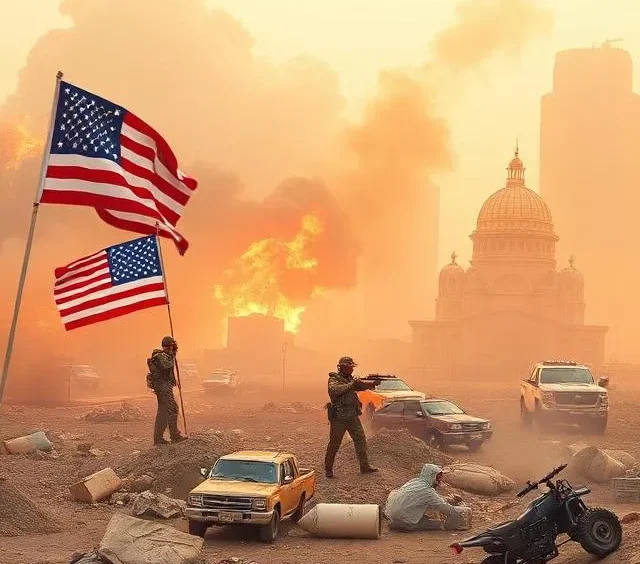
US-Iran War Impact on GCC Economy & Stability
The ongoing US-Israeli military campaign against Iran, which began in late February 2026, has unexpectedly turned the Gulf Cooperation Council (GCC) states into a direct theater of conflict. Despite their efforts to prevent escalation and maintain neutrality, all six GCC countries — Bahrain, Kuwait, Oman, Qatar, Saudi Arabia, and the UAE — have faced Iranian missile and drone attacks. The effective disruption of the Strait of Hormuz has compounded the crisis, delivering a severe blow to regional security, energy exports, and economic diversification plans.
Direct Military and Security Impact
For the first time in history, Iran has launched wide-ranging drone and missile barrages targeting all GCC member states. While many projectiles have been intercepted by Gulf and US air defenses, several have caused damage:
- Strikes have hit airports (including in Abu Dhabi and Kuwait), luxury areas in Dubai, oil facilities in Saudi Arabia (temporarily affecting Ras Tanura), and energy infrastructure in Qatar and Oman.
- Civilian casualties and injuries have been reported, along with panic at major hubs and damage to residential and commercial sites.
- US military bases hosted in the region have also come under threat, exposing the vulnerabilities of long-standing security partnerships.
Gulf leaders, who had lobbied against the war and offered diplomatic off-ramps (notably through Oman and Qatar), have condemned the Iranian attacks as violations of sovereignty. A GCC ministerial statement strongly rejected the aggression and affirmed the right to self-defense. Some GCC states are now pushing Washington for stronger guarantees, insisting that any future deal with Iran must degrade Tehran’s missile, drone, and proxy capabilities while ensuring the Strait of Hormuz cannot be “weaponized” again.
Economic Shock: Energy Exports and the Strait of Hormuz
The most severe impact stems from the near-closure of the Strait of Hormuz — the chokepoint through which roughly 20% of global oil and a significant share of LNG normally flow. Iranian actions have led to:
- Sharp curtailment of oil production (estimated losses of 6–10+ million barrels per day across Gulf producers due to storage issues and disrupted exports).
- QatarEnergy declaring force majeure on LNG exports after strikes on key facilities, removing a substantial portion (around 20%) of global LNG supply from the market.
- Brent crude oil prices surging dramatically — briefly topping $120 per barrel and remaining elevated near or above $100 — with analysts warning of further spikes if the strait stays impaired.
Daily revenue losses for Gulf states and Iraq are estimated in the billions, while global ripple effects include higher shipping costs, fertilizer shortages, and inflation pressures. Aviation has also suffered heavily, with airspace restrictions disrupting major hubs like Dubai and Doha, affecting tourism, business travel, and connectivity.
Food imports, which rely heavily on maritime routes through the strait, have faced disruptions, leading to price spikes and emergency airlifts of staples in some countries. Desalination plants — critical for water supply in arid Gulf nations — have raised humanitarian concerns after reports of related infrastructure risks.
Broader Strategic and Long-Term Consequences
The war has challenged the GCC’s long-cultivated image as a stable, investor-friendly region. Tourism, aviation, finance, and diversification initiatives (such as Saudi Vision 2030) are under pressure as investor confidence wavers amid scenes of strikes and uncertainty.
- GCC Unity and Positioning: Attacks have temporarily fostered greater coordination among GCC states, though differences remain (e.g., Oman’s continued emphasis on diplomacy). Many now express frustration with both Iran’s retaliation and the perceived limits of US security guarantees.
- Future Security Outlook: Gulf officials are signaling a shift toward stronger collective defense, potential reevaluation of basing arrangements, and demands for ironclad post-war assurances. Some voices are even weighing limited direct involvement or coalitions to secure shipping lanes.
- Global Ramifications: The crisis underscores the Gulf’s central role in energy security. Prolonged disruption risks wider economic fallout, including higher energy costs worldwide and supply chain strains.
As Holy Week and Easter approach amid these tensions, the region faces a delicate balance between defending sovereignty and avoiding deeper entanglement in a conflict it did not seek.
What Lies Ahead
With diplomatic channels still active (including indirect US-Iran talks via intermediaries), the coming days are critical. A swift reopening of the Strait of Hormuz and de-escalation could mitigate some damage, but analysts warn that even a short prolongation will leave lasting scars on Gulf economies and regional dynamics.
The GCC’s response — balancing defense, diplomacy, and economic resilience — will shape the post-conflict Middle East order.
Stay tuned to WorldReport.press for ongoing coverage of the Iran conflict, energy market updates, and regional developments.
What are your thoughts on the Gulf’s position in this crisis? Share in the comments below.