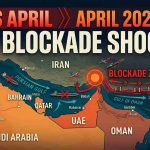



The 2026 Iran War: A Comprehensive Country-by-Country Global Impact Assessment (As of April 4, 2026)

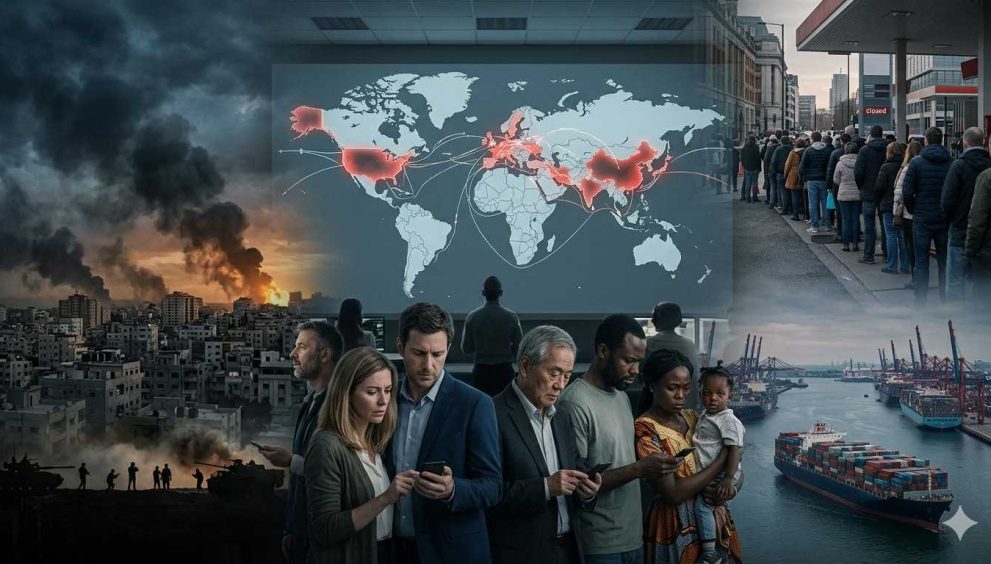
The US-Israel military campaign against Iran, launched under Operation Epic Fury on February 28, 2026, has entered its 36th day with no immediate end in sight. What began as targeted strikes on nuclear facilities, missile sites, and leadership has escalated into widespread infrastructure attacks, including pharmaceutical plants, bridges, and power-related targets. Iran has responded with missile barrages, drone strikes, and control over the Strait of Hormuz, triggering a global energy crisis.
As of April 4, 2026, the conflict has claimed over 2,000 lives in Iran alone, wounded more than 26,500, displaced millions regionally, and sent oil prices surging worldwide. President Donald Trump has stated that US “strategic objectives” are nearing completion, yet he warns of expanded strikes on bridges, power plants, and energy sites if the Strait of Hormuz remains restricted. Iran has downed at least one US F-15E fighter jet (with one crew member rescued and another missing) and damaged a second aircraft near the Persian Gulf.
This 4,800+ word report provides a detailed, country-wise breakdown of the war’s multifaceted impacts—military, economic, humanitarian, energy, and geopolitical—for governments, businesses, and citizens worldwide. Data draws from verified sources including ISW, Al Jazeera, Britannica, Reuters, and official statements as of April 4, 2026.
1. Impact on Iran: Catastrophic Humanitarian and Infrastructure Collapse
Iran bears the heaviest direct toll. US-Israeli strikes have targeted not only military assets but also dual-use civilian infrastructure. Key hits include the Darou Pakhsh Pharmaceutical Manufacturing Company and Pasteur Institute in Tehran Province, disrupting national medical supply chains. The B1 (Bileghan) Bridge—one of Iran’s tallest and most critical links between Tehran and Karaj—was destroyed, severely hampering logistics.
Casualties and Displacement: Iranian Red Crescent reports exceed 2,000 killed (including civilians) and 21,000–26,500 wounded. Over 113,000 sites—homes, schools, hospitals—have been damaged or destroyed. Tehran has become a “ghost town” with civilians fearing daily movement. Millions are internally displaced, overwhelming already strained resources post-sanctions.
Economic Devastation: Oil exports through the Strait of Hormuz (20% of global supply) are throttled, with Iran imposing tolls in Chinese yuan and refusing safe passage without a full ceasefire. Domestic fuel shortages, blackouts, and hyperinflation have worsened. The regime change attempt—following the assassination of Supreme Leader Ali Khamenei and election of Mojtaba Khamenei—has triggered internal power struggles and security crackdowns.
Long-Term Outlook: Nuclear and missile programs are degraded but not eliminated. Environmental damage from strikes on industrial sites risks long-term contamination. Iran’s economy, already sanctioned, faces projected contraction of 15–25% in 2026.
2. Impact on the United States: Military Losses, Domestic Price Spikes, and Strategic Realignment
The US leads the coalition with over 50,000 troops deployed. Recent losses mark a turning point: the first confirmed downing of a US F-15E Strike Eagle over Iranian airspace (one crew rescued, search ongoing for the second) and an A-10 Thunderbolt II incident near the Strait of Hormuz. These are the first US manned combat aircraft losses to enemy fire in over 20 years.
Economic Impact on American Families: Disruptions in the Strait of Hormuz have driven US gasoline prices up sharply. Analysts forecast further spikes affecting trucking, aviation, and consumer goods. Amazon has already announced a 3.5% surcharge on third-party sellers due to fuel costs. Broader inflation risks loom as fertilizer and chemical prices rise.
Political and Military Strain: President Trump’s national address and Truth Social updates emphasize “nearing completion” of objectives while threatening escalation. Public opinion is divided, with concerns over prolonged engagement. The Pentagon reports 348+ US personnel wounded so far.
Global Standing: The war tests US alliances (NATO’s reluctance noted) but reinforces partnerships with Israel and Gulf states. Long-term: potential shift in US energy policy toward domestic production and renewed focus on alternative suppliers.
3. Impact on Israel: Direct Attacks, Civilian Damage, and Regional Security Shifts
Israel co-leads strikes and faces sustained Iranian retaliation. Multiple missile salvos have caused fires and damage in Negev, Rosh Haayin, Petah Tikva, and other areas. Interception systems have worked but not perfectly; falling debris and direct hits have caused civilian injuries and factory damage.
Humanitarian and Economic Toll: Dozens of Israeli deaths/injuries reported alongside regional spillover. The economy faces tourism decline, higher insurance costs, and diverted resources to defense. Strikes on Lebanese bridges escalate the parallel Israel-Hezbollah conflict, displacing over one-sixth of Lebanon’s population.
Strategic Gains/Losses: Significant degradation of Iran’s proxy network and nuclear threat, but at the cost of heightened regional isolation and domestic political pressure.
4. Impact on Gulf States (Saudi Arabia, UAE, Bahrain, Qatar, Kuwait)
Gulf nations host US bases and face direct Iranian strikes on facilities, oil tankers, and airports. Bahrain, UAE, and Saudi Arabia report intercepted missiles and fires at US-linked sites. Kuwait extinguished an airport fire; Qatar dealt with tanker incidents. A Bangladeshi national was killed by shrapnel in the UAE.
Economic Ripple: As major oil exporters, these states benefit short-term from higher prices but suffer shipping disruptions and investor flight. UAE and Saudi Arabia are preparing to assist in reopening the Strait by force if needed.
Humanitarian/Security: Heightened alert status, refugee inflows, and domestic instability risks from economic volatility.
5. Impact on India: Energy Security Crisis, NRI Safety, and Trade Disruptions
India, heavily reliant on Gulf oil (imports ~85% of needs), faces acute energy price shocks. Fuel costs have risen, threatening inflation targets and household budgets. Indian NRIs in the UAE, Saudi Arabia, and Qatar (millions strong) face travel advisories, airspace risks, and potential evacuation planning.
Economic Projections: Higher oil prices could add 1–2% to India’s inflation and slow GDP growth by 0.5–1%. Remittances from Gulf NRIs may dip if jobs are affected. Pharmaceutical and fertilizer imports from Iran/region disrupted. Positive angle: potential for increased Indian oil diplomacy with Russia and alternative suppliers.
Geopolitical: India balances relations with US/Israel and traditional ties to Iran (Chabahar port). MEA advisories urge caution.
6. Impact on China: Energy Leverage, Yuan Denomination, and Global Supply Chain Strain
China, Iran’s top oil buyer, has seen Iran demand yuan payments for Hormuz passage. This accelerates de-dollarization but exposes China to supply risks. Central Bank acknowledges external shocks from the war.
Economic Effects: Higher global oil prices hurt manufacturing and transport. Joint calls with Pakistan for ceasefire reflect Beijing’s push for stability. Long-term: opportunity to expand Belt and Road influence in a post-war Middle East.
7. Impact on Russia: Geopolitical Ally, Energy Market Gains, and Sanctions Complications
Russia benefits from elevated oil prices (boosting revenues) and weakened Western focus on Ukraine. As a key Iranian partner, Moscow provides diplomatic cover and potential arms support. However, broader instability risks its own energy export routes.
8. Impact on Europe (EU, UK): Energy Vulnerability, Inflation, and NATO Divisions
Europe, still recovering from Ukraine-related shocks, faces renewed energy crisis. Gas and oil prices surge, threatening winter supplies and industrial output. UK bases in Cyprus, Bahrain, and Qatar were targeted by Iranian strikes, prompting RAF defensive deployments.
Country-Specific Notes:
- Germany/France: Manufacturing slowdowns; Macron called forced reopening of the strait “unrealistic.”
- UK: Direct military involvement risks.
- Eastern Europe: Heightened security concerns over Russian opportunism.
Inflation projections revised upward across the EU; recession fears mount.
9. Impact on Japan, South Korea, and East Asia
Import-dependent Japan and South Korea face severe energy cost increases, hitting auto, electronics, and shipping sectors. Stock markets volatile; governments seek emergency reserves and diversification deals.
10. Impact on Other Regions: Africa, Latin America, and Global South
- Africa: Oil importers (e.g., Kenya, South Africa) see fuel subsidy strains and food price spikes. Remittance-dependent economies suffer.
- Latin America: Mixed—oil exporters (Venezuela, Brazil) gain; importers face inflation.
- Global South Overall: Developing nations hit hardest by commodity volatility, with risks of debt crises and humanitarian spillover.
11. Broader Global Impacts: Economy, Environment, and Geopolitics
Energy Markets: Strait of Hormuz crisis has caused the sharpest oil price surge since 2022. Global GDP growth forecasts cut by 0.8–1.5%. Shipping insurance premiums tripled in the region.
Humanitarian Crisis: Over 3,000+ total deaths regionally; millions displaced. International aid appeals rising.
Environmental Damage: Strikes on industrial/pharma sites risk chemical leaks; potential long-term Gulf water contamination.
Geopolitical Realignment: Accelerated multipolarity—stronger Russia-China-Iran axis; questions over US reliability; rise of yuan in energy trade; possible new nuclear proliferation risks.
Future Outlook (Next 7–30 Days): Analysts give a “good chance” the war lasts through April. Trump’s 2–3 week wind-down timeline depends on Hormuz reopening. Ceasefire talks stalled; Iran rejects US claims of regime overtures.
Recommendations for Global Stakeholders:
- Governments: Diversify energy sources, update travel advisories, prepare economic buffers.
- Businesses: Hedge fuel costs, secure supply chains.
- Citizens: Monitor official alerts; expect higher living costs.
This fluid situation demands continuous monitoring. Worldreport.press will update this report as developments unfold. For real-time alerts, follow official channels including US State Department, Indian MEA, and UN briefings.