




Is the EV Boom Real or a Bubble? 2025 Worldwide Market Insights

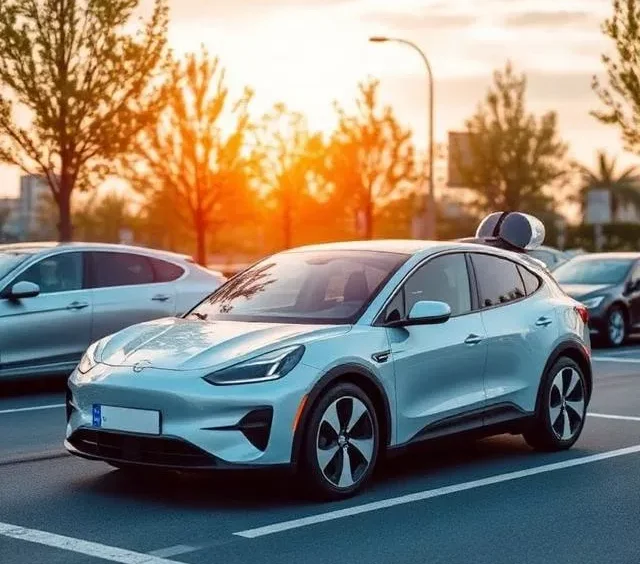
EV Boom or Bubble? A Comprehensive Global Analysis of the Electric Vehicle Market in 2025
By World Report Press Staff December 19, 2025
The electric vehicle (EV) revolution has dominated headlines for years, heralded as the inevitable future of transportation and a cornerstone of the global fight against climate change. As 2025 draws to a close, EV sales worldwide are projected to surpass 20 million units, capturing more than 25% of new car sales—a dramatic leap from levels seen just half a decade ago. However, growing skepticism surrounds the sector: is this explosive growth a sustainable boom rooted in technological and economic realities, or an overhyped bubble sustained by government subsidies, speculative investment, and unrealistic expectations?
This detailed analysis reviews the latest data from the International Energy Agency (IEA), BloombergNEF, Rho Motion, and other authoritative sources. While challenges and regional slowdowns are evident—particularly in the United States—the overall global picture leans strongly toward a long-term structural boom rather than an impending collapse.
Evidence for a Sustained Boom: Record Growth and Powerful Fundamentals
2025 has marked another year of milestone achievements for EVs. The IEA’s Global EV Outlook 2025 forecasts a 25% year-on-year increase in electric car sales, pushing annual volumes above 20 million and representing over one-quarter of all new vehicles sold globally. Sales in the first quarter alone topped 4 million units, reflecting a 35% rise compared to the same period in 2024.
Much of this momentum now comes from emerging markets that are rapidly overtaking traditional leaders. Nations such as Vietnam (approaching 40% EV market share), Thailand (over 20%), and Indonesia (around 15%) have achieved higher penetration rates than the United States or several European countries. China continues to dominate, with EVs accounting for nearly half of new car sales and driving approximately two-thirds of worldwide demand. Low-cost models from Chinese manufacturers—most notably BYD, which has overtaken Tesla as the largest EV producer—have democratized electric mobility, significantly reducing oil imports and fossil fuel dependence in many regions.
Several enduring factors underpin this expansion:
- Steadily Falling Costs: Ongoing declines in battery prices, driven by massive scale-up and technological advances, have brought many EVs to price parity with gasoline vehicles in key markets, even without incentives.
- Infrastructure Build-Out: Charging networks are expanding at pace. The European Union is enforcing requirements for fast chargers every 60 km along major highways, while networks in Asia and other regions grow exponentially.
- Regulatory and Policy Momentum: Binding CO2 emission standards, national net-zero commitments, and targeted incentives in emerging economies continue to propel adoption, offsetting the gradual phase-out of direct consumer subsidies in mature markets.
Global production capacity reflects manufacturer confidence, with new factories coming online across multiple continents. Investor enthusiasm remains high for sector leaders, evidenced by strong stock performance in companies at the forefront of innovation.
Arguments for a Bubble: Overcapacity, Slowdowns, and Fragility
Critics highlight clear warning signs of excess and vulnerability. In the United States, EV market share has plateaued at 9-10%, with growth stalling and occasional monthly declines following the expiration of major federal tax credits. Rising inventories, repeated price reductions, and surging hybrid sales have prompted some observers to declare an American “EV bubble” already burst.
Key concerns include:
- Marked Regional Divergence: While emerging markets accelerate, demand in parts of North America and Europe is hampered by higher financing costs, incomplete charging infrastructure in rural areas, and consumer preference for hybrid alternatives.
- Chronic Overcapacity: China’s aggressive expansion of battery and vehicle manufacturing has resulted in utilization rates below 50% in many facilities, sparking fierce price competition and eroding profit margins across the supply chain.
- Financial Pressure on Participants: Numerous newer entrants continue to incur heavy losses as they scale operations. High-profile bankruptcies and ongoing funding challenges for several startups underscore the risks of overinvestment.
- Policy and Trade Uncertainty: Abrupt changes in subsidies, shifting political priorities, and escalating trade restrictions—particularly on Chinese imports—pose ongoing threats to supply chains and market stability.
Conclusion: A Global Boom with Regional Challenges Ahead
The weight of evidence points to a genuine, multi-decade transformation rather than a speculative bubble on the verge of popping. Emerging markets are more than compensating for temporary slowdowns in Western countries, while irreversible trends—declining costs, regulatory pressure, and energy security needs—provide solid foundations for continued growth. Long-term projections still anticipate EVs reaching 40-50% of global new car sales by 2030.
Unlike past speculative frenzies, the EV transition is already displacing substantial volumes of oil consumption and aligns with broad geopolitical and environmental imperatives. Periods of consolidation and correction are inevitable, especially in oversaturated segments, but the sector’s underlying trajectory remains upward.
Policymakers, investors, and consumers should distinguish between leading, profitable companies and weaker players, while monitoring evolving regulatory landscapes. The road ahead will have bumps, but the global shift to electric mobility appears firmly underway.
World Report Press is committed to fair, accurate, and in-depth reporting on global events, technology, economy, and culture.

