


Iran War 2026: Global Country-Wise Impact

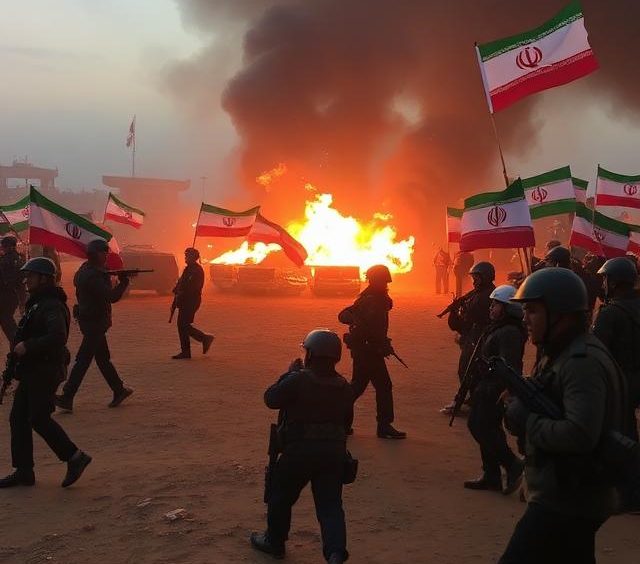
Iran War 2026: Global Country-Wise Impact
Brussels/Washington, 31 March 2026 – The US-Israeli war on Iran, now in its second month, has triggered the largest global energy supply disruption in history. Iran’s effective closure of the Strait of Hormuz — through which roughly 20% of world oil and a significant share of LNG normally flows — combined with strikes on Gulf energy infrastructure, has sent Brent crude surging over 50% since late February, trading above $110–120 per barrel at times.
The International Energy Agency called it the “greatest global energy security challenge in history.” Economists warn of higher inflation, slower growth (WTO estimates a potential 0.3% drag on global GDP if prices stay elevated), and risks of stagflation, particularly in energy-import-dependent regions. Supply chain disruptions, fertilizer shortages, helium price spikes, and rerouted shipping via the Cape of Good Hope are compounding the pain.
Here is a country/region-wise overview of the impacts observed in March 2026:
United States
Higher gasoline prices (approaching or exceeding $4/gallon in many areas) have hit consumers, though the US benefits somewhat as a net energy exporter thanks to shale production. The administration released strategic reserves and considered easing some sanctions on Russian and Iranian oil to calm markets. Domestic debates focused on inflation risks and the war’s justification, with political divisions deepening. Equity markets faced volatility, but energy and defense sectors gained.
Europe (EU + UK)
One of the hardest-hit regions due to heavy reliance on imported oil and LNG. Energy prices spiked sharply; countries like Germany, France, and Italy faced renewed industrial pressures and inflation risks. The European Council discussed energy security and reserves. A major rift emerged over the EU Emissions Trading System (ETS), with ten countries (Austria, Czechia, Croatia, Greece, Hungary, Italy, Poland, Romania, Slovakia) demanding softer carbon rules to protect industry amid the cost shock. A counter-group defended the ETS. Growth forecasts were downgraded; some analysts warned of possible contraction in parts of the eurozone. Political fragility increased in France, Germany, and the UK, alongside protests.
Russia
A clear beneficiary. Diverted global attention from the Ukraine war allowed Russia more operational space. Higher oil prices boosted revenues (a key budget pillar), and the US temporarily eased some sanctions on Russian oil exports to ease global supply pressures. Russia continued offensives in Ukraine while facing Ukrainian drone strikes on its energy targets.
Ukraine
The Middle East war diverted international attention and resources (including anti-aircraft systems needed in both theaters). Peace talks stalled; EU aid faced internal blocks (e.g., from Hungary). Energy infrastructure remained under pressure from Russian strikes, with Ukraine proposing an “energy ceasefire.”
China
Significant exposure through high oil and gas imports and Belt and Road trade routes. The war disrupted shipping and raised costs for manufacturers. Beijing condemned the US-Israeli actions but responded cautiously, avoiding direct confrontation. Supply chain strains and higher energy costs added pressure to an already slowing economy. Helium shortages (Qatar supplies disrupted) threatened semiconductor production.
India
Severe impact on fuel availability and costs. Long queues at petrol stations in some areas; restaurants cut gas-intensive dishes from menus. The rupee weakened sharply on import bill concerns (India relies heavily on Gulf oil). Higher fertilizer and energy costs threatened agriculture and food security. Remittances from Gulf workers faced risks. Government actions included curbing FX speculation and seeking alternative supplies.
Australia
Fuel prices climbed above $2 per litre in places, prompting an emergency National Cabinet meeting and a four-stage National Fuel Security Plan (including release of reserves and adjusted standards). The Reserve Bank raised interest rates amid renewed inflation pressures. Tropical Cyclone Narelle added to challenges in Queensland and Western Australia. Public concern over national security rose sharply, with many expecting involvement in future conflicts.
Other Asia-Pacific Nations
- Japan, South Korea, Taiwan, Philippines: High dependence on Gulf energy led to rationing risks, power concerns, and economic slowdown fears. Shipping disruptions lengthened trade routes.
- Southeast Asia (e.g., Philippines, Sri Lanka, Bangladesh): Fuel rationing, higher living costs, and industrial slowdowns reported. Some countries implemented energy-saving measures like shorter workweeks.
Middle East & Gulf States
Directly devastated. Qatar saw major LNG export capacity knocked out (up to 17% lost from facility strikes), leading to force majeure declarations. Kuwait, UAE, Saudi Arabia, and others faced infrastructure damage, air defense activations, and economic hits (projected GDP losses of several percent in some cases). Shipping and aviation largely halted in the region; tourism and non-energy trade suffered. Humanitarian and health crises worsened, with attacks on healthcare reported.
Global Cross-Cutting Effects
- Food Security: Higher fertilizer prices (due to disrupted ammonia/nitrogen supplies) threatened spring planting in the Northern Hemisphere and raised food costs worldwide.
- Commodities: Aluminium, helium, petrochemicals, and metals saw price surges and supply squeezes.
- Markets & Finance: Global equities lost value initially; risk aversion rose. Central banks faced dilemmas between fighting inflation and supporting growth.
- Geopolitics: Russia gained breathing room in Ukraine; alliances shifted; calls grew for reduced fossil fuel dependence and diversified energy/security strategies.
The full economic toll remains uncertain and depends on how long disruptions last. Analysts note that while a short conflict might limit damage, prolonged fighting could tip vulnerable economies toward recession. Developing nations and heavy importers in Asia and Europe face the steepest challenges.
For www.worldreport.press This country-wise global impact roundup complements earlier Europe and Australia monthly summaries. It highlights how the Iran conflict has created a structural shock far beyond the Middle East, amplifying existing pressures from the Russia-Ukraine war. Suitable for a dedicated “Global Impact” feature with maps of the Strait of Hormuz, oil price charts, and infographics on regional GDP risks.