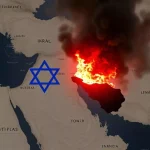



Iran War 2026: Which GCC Countries Are Hit Hardest?

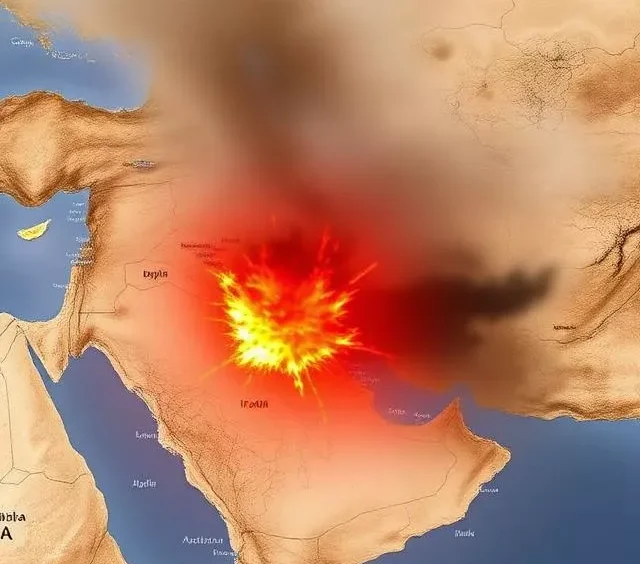
Iran War 2026: Which GCC Countries Are Hit Hardest?
By World Report Press Staff Hyderabad, March 31, 2026 – The ongoing US-Israel war on Iran has dragged all six Gulf Cooperation Council (GCC) countries — Saudi Arabia, United Arab Emirates (UAE), Qatar, Kuwait, Bahrain, and Oman — into the conflict. Iran has retaliated with hundreds of missiles and drones targeting US military bases, energy infrastructure, ports, airports, and civilian areas across the region.
The Strait of Hormuz disruption (effectively closed or severely restricted since early March) has caused the biggest shared pain: massive oil export losses, skyrocketing global prices (Brent crude above $100–120 per barrel), food import shortages (70%+ disruption), and water security fears due to potential desalination plant damage.
However, the intensity of direct Iranian attacks, casualties, infrastructure damage, and economic hits varies significantly. Here is a country-wise assessment of who is suffering the most, based on reported strikes, casualties, and impacts.
1. United Arab Emirates (UAE) – Suffering the Most
- Direct Attacks: Hit by far the highest number of Iranian projectiles (more than all other GCC states combined in some assessments). Targets include Dubai (Burj Al Arab, International Financial Centre, airport, Jebel Ali port), Abu Dhabi, Fujairah petrochemical/storage facilities, Ruwais refinery, and data centres.
- Damage: Fires at ports and industrial zones, disruption to aviation, tourism, retail, and shipping. Jebel Ali — a global trading hub — severely affected.
- Casualties: At least 2 soldiers + 9 civilians killed; 165+ injured (higher in some early reports).
- Economic Impact: Major blow to diversification efforts; airspace closures, stock market halts, and tourism/reputation damage. Recent Iranian drone strike on a fully loaded Kuwaiti oil tanker (Al-Salmi) at Dubai port anchorage caused fire and raised oil-spill fears.
- Why Hardest Hit: Proximity to Iran, close ties with Israel/US, and concentration of high-value economic targets.
2. Kuwait – Among the Worst Affected
- Direct Attacks: Heavy targeting of US bases (Ali Al-Salem air base) and military sites. Drone strikes on refineries (e.g., Mina Abdullah, Mina al-Ahmadi) and airport incidents.
- Damage: Oil infrastructure hits leading to production/refinery disruptions; fears of oil spills from tanker attacks.
- Casualties: 4 soldiers + 5 civilians killed; dozens injured (including 77 soldiers and 32 civilians in broader counts).
- Economic Impact: Extreme vulnerability due to near-total reliance on Strait of Hormuz for oil exports and imports. Food and water security risks high (desalination heavily dependent). Production cuts amid storage overflow.
- Additional Strain: Direct link to the Dubai tanker attack (Kuwaiti vessel), amplifying spill and export concerns.
3. Bahrain – Significant Military and Infrastructure Damage
- Direct Attacks: US Navy’s 5th Fleet headquarters in Juffair (Manama) repeatedly targeted; industrial facilities and desalination plants hit.
- Damage: Smoke from naval base, warehouse, and satellite damage; water infrastructure risks.
- Casualties: 3 killed; 38 injured.
- Economic Impact: Smaller economy but strategic US base location makes it a prime target; broader regional shipping disruptions compound issues.
4. Qatar – Energy Sector Heavily Disrupted
- Direct Attacks: Al Udeid Air Base (largest US base in region) targeted; strikes on Ras Laffan and Mesaieed industrial cities (LNG hub).
- Damage: QatarEnergy declared force majeure on LNG exports; helium and gas production halted.
- Casualties: 4 soldiers killed; 16 injured.
- Economic Impact: As the world’s top LNG exporter, disruptions ripple globally. High dependence on Strait for exports; food import crisis affecting the population.
5. Saudi Arabia – Oil Infrastructure Targeted but Relatively Contained
- Direct Attacks: Fewer strikes compared to UAE/Kuwait; hits on refineries (e.g., Ras Tanura, Yanbu), eastern province oil/gas facilities, and some US bases (Prince Sultan).
- Damage: Temporary refinery shutdowns; limited pipeline bypass capacity (only partial relief for Hormuz disruption).
- Casualties: 2 killed; 16 injured (lower than others).
- Economic Impact: Major oil producer with some alternative export routes (pipelines to Red Sea), but still facing massive export losses and global price volatility. Spare capacity locked due to Hormuz issues.
6. Oman – Least Directly Affected but Not Spared
- Direct Attacks: Limited strikes; some drones reached territory despite traditionally friendly ties with Iran.
- Damage: Minor compared to others; ports and airspace impacted by regional closures.
- Casualties: 3 killed.
- Economic Impact: Suffers from overall Hormuz disruption and shipping halts but has avoided the scale of attacks on other GCC states. Often seen as a diplomatic bridge.
Overall GCC Toll and Shared Pain
- Total GCC Casualties (Approximate): Dozens killed (military + civilian); hundreds injured across the bloc. Exact figures vary by source.
- Economic Fallout: Collective oil/LNG export losses in the millions of barrels per day; food price spikes (40–120%); aviation near-collapse (Emirates, Qatar Airways heavily hit); insurance and shipping costs surged. The region faces a potential humanitarian dimension if desalination or food imports worsen.
- Common Threat: Iranian strategy of asymmetric retaliation — hitting US-hosted bases while disrupting the shared economic lifeline (Strait of Hormuz). All GCC states have condemned the attacks and called for de-escalation, while focusing on defensive intercepts (shooting down ~90% of ballistic missiles).
Conclusion: The UAE and Kuwait are currently suffering the most from direct Iranian strikes, infrastructure damage, and symbolic/economic hits. Qatar and Bahrain face severe energy and military impacts, while Saudi Arabia contends with oil sector pressure despite fewer attacks. Oman has been relatively spared.
The prolonged Hormuz crisis affects every GCC nation deeply, threatening the entire “oil-for-security” model and global energy markets. As the war enters its fifth week, GCC leaders continue pushing diplomacy while bolstering defenses.
World Report Press will monitor developments closely. Figures are based on official statements, international media, and think-tank assessments as of March 31, 2026, and remain subject to change.
Sources include reports from Al Jazeera, Reuters, The New York Times, BBC, IISS, Atlantic Council, and GCC official statements.