



Global News Highlights: German Perspective 2026

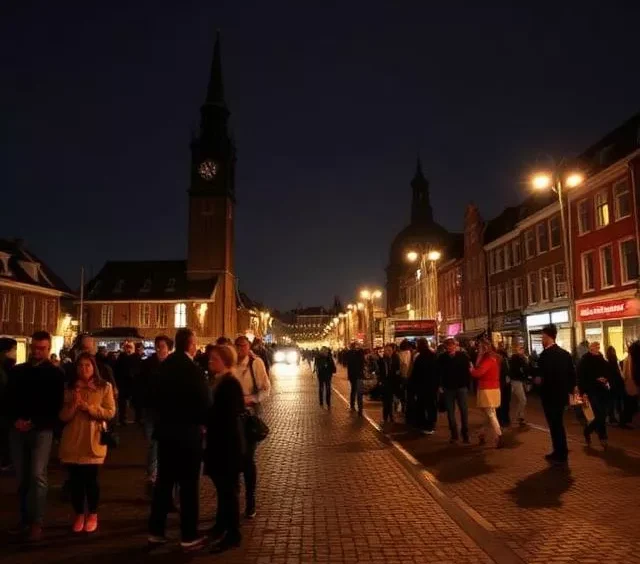
Global News Highlights: German Perspective 2026
The second week of February 2026 has been dominated by the 62nd Munich Security Conference (MSC 2026) hosted in Germany, the explosive joint accusation by five European nations (including Germany) that Russia poisoned Alexei Navalny with a rare frog toxin, Chancellor Friedrich Merz’s stark warnings about the end of the old world order, pushes for greater European strategic autonomy amid transatlantic tensions, and strong German performances at the nearby Milano Cortina Winter Olympics.
Here are the top international headlines Germans are following closely right now (as of February 15, 2026).
1. Navalny Poisoned with Epibatidine from Poison Dart Frogs – Germany Co-Leads Joint European Accusation
At the Munich Security Conference, Germany, France, UK, Sweden, and the Netherlands issued a joint statement confirming forensic analysis of samples from Alexei Navalny’s body conclusively showed the presence of epibatidine — a lethal neurotoxin from South American poison dart frogs, not naturally occurring in Russia.
- German Foreign Minister Johann Wadephul emphasized: “Only the Russian state had the means, motive, and opportunity” to administer this poison.
- Navalny’s widow Yulia Navalnaya addressed the conference sidelines, declaring the “murder” now a “science-proven fact.”
- Russia dismissed it as a “Western propaganda hoax”; the five nations reported Russia to the OPCW for breaching the Chemical Weapons Convention.
- U.S. Secretary of State Marco Rubio stated the U.S. is “not disputing” the European assessment.
German angle As co-originator of the statement and host of MSC, Germany leads the push for accountability, renewed sanctions, and support for Ukraine. This reinforces Berlin’s hard line on Russia two years after Navalny’s death shocked the 2024 conference.
2. Munich Security Conference 2026 – Chancellor Merz Declares “Old World Order No Longer Exists”
The MSC (February 13–15, theme: “Under Destruction”) featured intense debates on transatlantic relations, European defense, and global shifts:
- Chancellor Friedrich Merz opened with a sobering message: the post-Cold War order “no longer exists,” U.S. leadership has been “challenged, possibly squandered,” and Europe must reduce economic dependence on America while boosting its own military capabilities.
- French President Emmanuel Macron echoed calls for European “fortitude” and a stronger “European pillar” in NATO.
- EU foreign policy chief Kaja Kallas announced work on a “new European security strategy” addressing all dimensions amid hostile geopolitics.
- Rubio reassured allies of U.S. commitment but urged Europe toward greater self-reliance; Europeans (including Kallas) pushed back against claims of “civilizational erasure” or decadence.
- Focus on Ukraine (Zelenskyy pushing for EU accession timeline), Arctic security, China de-risking, and countering the Russia-China-Iran-North Korea axis.
Why it matters in Germany MSC is a flagship German-hosted event; Merz’s criticisms of Trump-era shifts signal Berlin’s drive for strategic autonomy, higher defense spending, and leadership in a multipolar world.
3. Milano Cortina 2026 Winter Olympics – Germany Strong in Bobsleigh, Skeleton, Ski Jumping & More
The Games in neighboring Italy continue with solid German showings on Day 9:
- Laura Nolte leads women’s monobob after two runs (track record time); strong German 2-3 podium potential in earlier events (e.g., Susanne Kreher silver, Jacqueline Pfeifer bronze in skeleton).
- Ski jumping: Multiple German athletes (Juliane Seyfarth, Katharina Schmid, etc.) competing in women’s events.
- Bobsleigh: Johannes Lochner, Francesco Friedrich advancing strongly.
- Overall: Germany competitive in sliding sports, Nordic combined (Vinzenz Geiger gold earlier), and freestyle.
German perspective Proximity to Italy boosts national interest; athletes like Nolte and Friedrich carry high medal expectations, providing positive national headlines amid geopolitical seriousness.
4. Massive Munich Rally: 200,000–250,000 Demand Iran Regime Change
On MSC sidelines, huge protests backed exiled Crown Prince Reza Pahlavi calling for regime change amid Iranian unrest and custody deaths.
Relevance to Germany Large Iranian diaspora in Germany (especially Berlin, Hamburg); human rights focus aligns with Berlin’s values, while energy security and migration implications remain key concerns.
5. Other Key Headlines Impacting Germany
- Severe weather — Ongoing storms, flooding risks across parts of Germany and Europe.
- Middle East — Israeli West Bank moves, U.S. carrier deployments, Gaza reconstruction pledges; affects energy prices and diaspora communities.
- Domestic echoes — Debates on defense budget increases, economic reboot, and EU unity in response to U.S. policy shifts.
Quick Summary – Top Themes for Germany This Week
- Navalny frog toxin confirmation → Germany co-leads European pushback on Russia.
- MSC 2026 in Munich → Merz declares end of old order; drive for European autonomy.
- Olympic strength → Solid performances in sliding and jumping sports.
- Iran protests → Human rights and energy security spotlight.
- Transatlantic tensions → Reassurances vs. calls for independence.
Which development stands out most to you — the Navalny revelation, Chancellor Merz’s MSC warnings, or Germany’s Olympic push?
Share your thoughts below! Stay tuned to worldreport.press for in-depth coverage with a German lens.
Follow us for more
- Latest tech news
https://worldreport.press/category/tech-news/ - Latest Grok Imagine 2026 update xAI rolls out 10-second videos
https://worldreport.press/tech-news/latest-grok-imagine-2026-update-xai-rolls-out-10-second-videos/ - How AI is reshaping banking in 2026 fewer branches smarter operations
https://worldreport.press/tech-news/how-ai-is-reshaping-banking-in-2026-fewer-branches-smarter-operations/ - Major worldwide news stories recap last week
https://worldreport.press/tech-news/major-worldwide-news-stories-recap-last-week/ - Breaking ChatGPT linked to 9 reported deaths including 5 alleged suicides
https://worldreport.press/tech-news/breaking-chatgpt-linked-to-9-reported-deaths-including-5-alleged-suicides-openai-under-fire-amid-lawsuits-and-musk-altman-clash/