


GCC Social Media Crackdown Amid Iran War 2026

GCC Social Media Crackdown Amid Iran War 2026
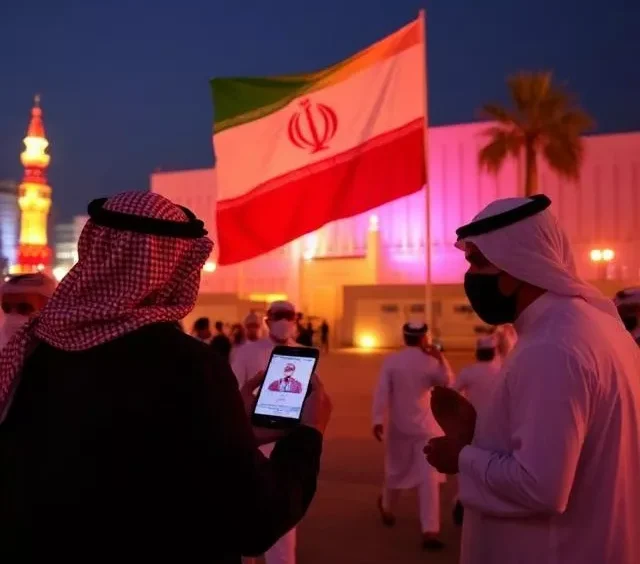
By World Report Press Staff Hyderabad, March 31, 2026 – As the US-Israel war on Iran enters its fifth week, all six Gulf Cooperation Council (GCC) countries have imposed severe restrictions on sharing videos, photos, or any visual content related to Iranian missile and drone attacks. Governments cite national security, prevention of panic, and stopping the spread of misinformation or deepfakes as reasons for the crackdown. Hundreds of people — including expats, tourists, and influencers — have been arrested across the region.
Authorities allow information only from official government channels. Filming, posting, resharing, liking, or even commenting on unverified footage of strikes, interceptions, explosions, damage, or fires can lead to heavy fines, imprisonment, deportation, or license revocation.
Why the Strict Controls?
Gulf states argue that such content could reveal defensive positions, compromise military operations, cause public alarm, or assist the enemy. Many viral videos are unverified, old footage, or AI-generated deepfakes. The crackdown has created an “information void,” with self-censorship widespread among residents and visitors.
Country-Wise Restrictions and Enforcement
1. United Arab Emirates (UAE) – Strictest and Most Aggressive Enforcement
- The Attorney-General has explicitly banned filming or publishing any images/videos of attack sites, damage, debris, interceptions, or related incidents.
- Hundreds arrested, including expats and tourists. Cases include sharing real footage, edited clips, or even opinions about the war. Influencers in Dubai face particular scrutiny.
- Penalties: Fines up to AED 200,000+ ($54,000+), prison terms of up to 2 years or more, and possible license cancellation for content creators.
- Official warnings (e.g., Dubai Police): “Think before you share – spreading rumors is a crime.” Only official accounts (WAM, Dubai Media Office, Abu Dhabi Media Office) are permitted sources.
2. Qatar
- Interior Ministry has arrested over 300–500 people for filming, circulating videos, or spreading “misleading information” about strikes on Al Udeid base and industrial sites.
- Strict prohibition on any visuals of attacks or aftermath, especially to protect the large migrant workforce from panic.
- Penalties: Arrest, fines, and high risk of deportation for non-citizens.
3. Kuwait
- Ministry of Interior warns against filming or posting content related to interceptions, security operations, or strikes on refineries and airports.
- Arrests reported for satirical videos or any material deemed harmful to national security.
- Focus: Preventing content that could “incite anxiety” or destabilize public opinion.
4. Bahrain
- Multiple arrests (at least 26 reported) for “misusing social media” and recording/sharing footage of strikes near the US 5th Fleet headquarters or industrial areas.
- Some charged with “glorifying” attacks.
- Strong ban on publishing any military-related visuals.
5. Saudi Arabia
- Warnings issued against sharing unverified videos of strikes on oil facilities or US bases.
- Emphasis on using only official SPA and Ministry of Interior channels. Part of coordinated GCC effort to control narrative.
6. Oman
- Relatively milder enforcement but still prohibits sharing sensitive security content related to any strikes or incidents.
- General advisories against posting material that could affect public safety or regional stability.
Broader Regional Impact
- Platforms Monitored: Instagram, TikTok, X (Twitter), WhatsApp, and YouTube are heavily watched. Geo-blocking and user reports have led to account suspensions.
- Expats and Tourists at Risk: Foreigners, including Western tourists and South Asian workers, have been detained even for content posted outside the country in some cases.
- Influencers Silenced: Many Dubai-based creators have gone quiet or deleted posts to avoid trouble.
- Deepfakes Targeted: Sharing AI-generated or misleading clips is treated as seriously as real footage.
The restrictions mirror similar controls in Iran (internet blackouts) and Israel (military censorship on damage reporting), highlighting how information warfare has become a key front in the conflict.
World Report Press notes that these measures have significantly limited independent visual documentation of the war’s impact on the Gulf, forcing reliance on official statements and verified international reporting.
The situation remains fluid. Residents and visitors in the GCC are strongly advised to refrain from any war-related visual content on social media. When in doubt, do not post.
This report compiles information from official GCC statements, international media including The New York Times, Al Jazeera, Reuters, and human rights organizations as of March 31, 2026. Laws are applied broadly and penalties can be severe — compliance is essential.
For official updates, refer only to government media offices in each country. The war continues with recent intense strikes reported in Isfahan and ongoing threats in the region.