



Christchurch Shooter Appeal 2026: Tarrant’s New Bid

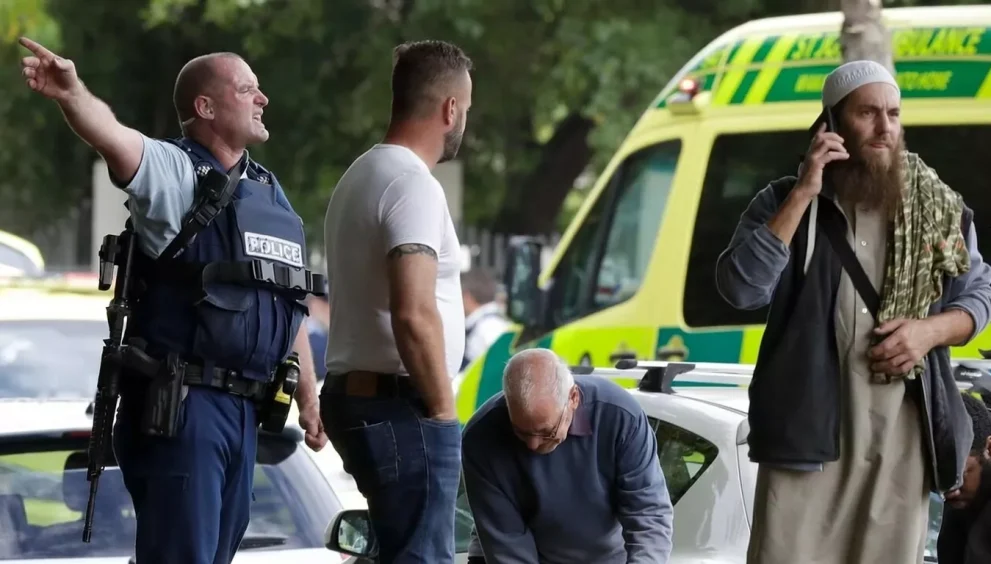
Christchurch Shooter Appeal 2026: Tarrant’s New Bid
New Zealand mosque shooter appeal 2026 and related searches such as “Brenton Tarrant appeal,” “Christchurch gunman court,” “Tarrant guilty pleas withdrawn,” “Christchurch terrorist mental state,” and “New Zealand Court of Appeal Tarrant” have surged on Google Trends in the past 72 hours. The ongoing five-day hearing in Wellington’s Court of Appeal (February 9–13, 2026) has driven intense interest, with queries spiking around courtroom evidence, former lawyers’ testimony, prison conditions, and implications for terrorism sentencing. This reflects ongoing national trauma from the 2019 attacks and public scrutiny of justice processes in one of New Zealand’s darkest chapters.
As of February 10, 2026, the Court of Appeal continues hearing Brenton Tarrant’s bid to discard his 2020 guilty pleas to 51 murders, 40 attempted murders, and terrorism charges stemming from the Christchurch mosque attacks. The Australian white supremacist, serving life without parole, claims harsh prison conditions caused “irrationality” and mental unfitness to plead. Former lawyers counter that he was “pleased” with terrorism charges and always intended to admit crimes to advance his ideology. The case tests legal standards for plea validity and could influence future high-profile terrorism prosecutions.
The Appeal Hearing: Key Developments
The hearing began February 9 amid extraordinary security in Wellington:
- Tarrant appeared via video link from Auckland Prison.
- Former counsel testified he was mentally fit, “pleased” with terrorism label, and planned to plead guilty to broadcast his manifesto.
- Tarrant alleges solitary confinement, restricted access, and prison harshness impaired judgment.
- Crown argues pleas were voluntary and strategic; no evidence of clinical unfitness.
- Day 2 (February 10) focused on psychological assessments and prison records.
The five-judge panel will deliberate post-hearing; a decision could take months. If successful, retrial risks reopening wounds; if rejected, pleas stand firm.
Key Facts at a Glance:
- Attacks date: March 15, 2019 – 51 killed (youngest 3 years old), dozens wounded.
- Sentence: Life without parole (2020) – NZ’s first.
- Appeal grounds: Mental unfitness due to prison; seeks pleas discarded.
- Current status: Hearing ongoing; Tarrant self-represented in parts.
- Public measures: Manifesto/video banned; strict court security.
Root Causes: Trauma, Justice, and Prison Conditions
The 2019 attacks remain New Zealand’s deadliest peacetime shooting, prompting gun law reforms (Arms Act rewrite ongoing in 2026) and global anti-extremism focus. Tarrant’s appeal revives debates on:
- Solitary confinement ethics in high-security cases.
- Mental health in long-term incarceration.
- Balancing victim impact with fair trial rights.
Broader context includes 2026 gun-law reforms (strengthening prohibition orders, gang licence restrictions) and energy/security issues (LNG imports, AI regulation gaps), but the hearing dominates discourse.
Government and Stakeholder Reactions
Prime Minister Christopher Luxon and Justice Minister have stayed neutral, emphasizing independent judiciary. Victim support groups express distress at reliving events; Muslim community leaders call for closure.
Media (NZ Herald, RNZ, Stuff, AP, ABC News, Washington Post) provide detailed coverage, noting Tarrant’s ideological motivations. International outlets highlight NZ’s handling of terrorism legacy.
Experts (legal scholars, psychologists) debate plea withdrawal thresholds; some see bid as manipulative.
Expert Insights
Legal analysts note high bar for overturning pleas—must prove fundamental injustice. Psychiatrists question prison-induced “irrationality” claims without clinical diagnosis. Human rights advocates critique prolonged isolation; counter-terrorism specialists warn success could embolden extremists.
Coverage from The Spinoff and Waikato University ties to gun-law evolution post-2019.
Future Outlook: Verdict and Legacy
Short-term (February–April 2026): Hearing concludes February 13; reserved judgment. Media focus persists; potential protests or vigils.
Medium-term:
- Decision likely mid-2026; rejection expected but could extend proceedings.
- If upheld: Reinforces sentencing finality.
- If overturned: Retrial trauma, costs, security risks.
- Gun reforms progress; energy (LNG) and AI policies advance separately.
Opportunities:
- Strengthened mental health protocols in prisons.
- Renewed anti-extremism dialogue.
- Closure for victims if pleas affirmed.
Risks:
- Re-traumatization of communities.
- Emboldening far-right narratives.
- Judicial resources strain.
For public: Follow official court updates; support services available. For policymakers: Accelerate prison reform discussions.
For New Zealand: The case underscores enduring 2019 scars and commitment to justice.
What This Means for New Zealand and Beyond
Brenton Tarrant’s 2026 appeal hearing reopens wounds from the Christchurch attacks, testing NZ’s justice system on terrorism, mental fitness, and plea integrity. While unlikely to succeed, it highlights prison conditions, victim needs, and extremism prevention.
As the Court deliberates, the outcome will influence legal precedents, public healing, and global views on handling mass shooters. NZ’s response reinforces resilience and rule of law amid ongoing reforms.
For continuing coverage of New Zealand mosque shooter appeal 2026 developments, gun law reforms, and national news, bookmark World Report Press. Related reading: Our analyses on NZ’s 2026 LNG energy plan and AI regulation debates.
Follow us for more
- Latest tech news
https://worldreport.press/category/tech-news/ - Latest Grok Imagine 2026 update xAI rolls out 10-second videos
https://worldreport.press/tech-news/latest-grok-imagine-2026-update-xai-rolls-out-10-second-videos/ - How AI is reshaping banking in 2026 fewer branches smarter operations
https://worldreport.press/tech-news/how-ai-is-reshaping-banking-in-2026-fewer-branches-smarter-operations/ - Major worldwide news stories recap last week
https://worldreport.press/tech-news/major-worldwide-news-stories-recap-last-week/ - Breaking ChatGPT linked to 9 reported deaths including 5 alleged suicides
https://worldreport.press/tech-news/breaking-chatgpt-linked-to-9-reported-deaths-including-5-alleged-suicides-openai-under-fire-amid-lawsuits-and-musk-altman-clash/