


Switzerland Glacier Crisis 2026: Tourism Warning & Melting Ice

Switzerland Glacier Crisis 2026: Tourism Warning & Melting Ice
Switzerland glacier tourism 2026 and related searches such as “schmelzende Gletscher Tourismus,” “Gletschersterben Schweiz,” “Lausanne glacier warning,” “Gletscher Tourismus verboten,” and “Alpen Klimawandel 2026” have surged on Google Trends in early February. A Swiss-led international research team’s stark warning in Nature Climate Change—that glacier landscapes risk being “loved to death” by tourists—has ignited widespread concern, driving queries for affected sites (e.g., Aletsch, Jungfrau region), safety advisories, and climate policy debates. This reflects growing public anxiety over Switzerland’s iconic glaciers amid accelerating melt and overtourism pressures.
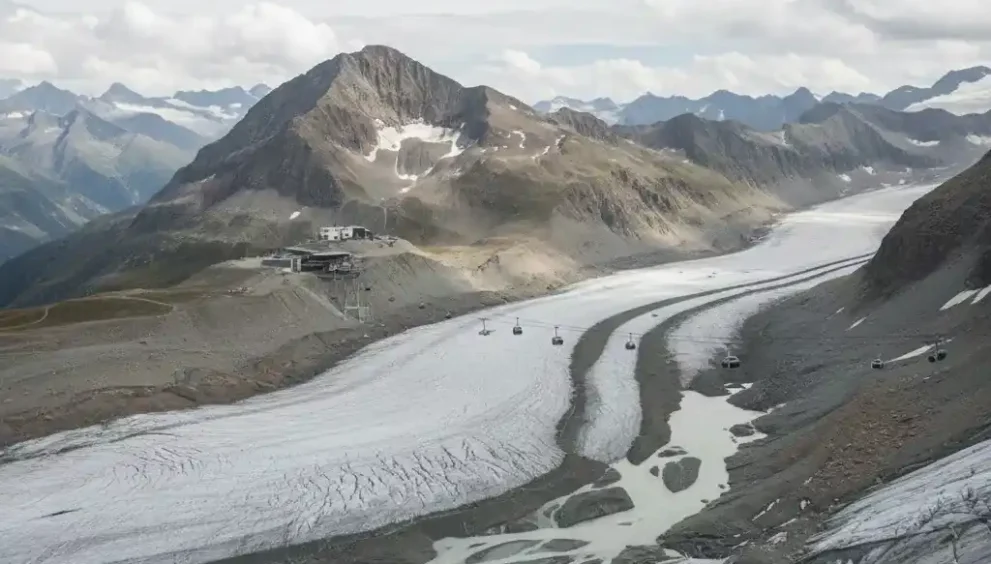
As of February 10, 2026, Switzerland confronts an urgent environmental challenge: melting glaciers threatened by climate change and intensified tourism. A University of Lausanne-led study warns that visitor influxes to shrinking ice fields erode fragile ecosystems, accelerate melt through human activity, and undermine the very attractions drawing crowds. The report calls for stricter regulations, visitor caps, and sustainable practices to preserve these “last-chance” landscapes. The issue dominates discourse in a winter season featuring Fasnacht carnivals, White Turf races, and ongoing recovery from prior events like the tragic Crans-Montana New Year’s Eve fire.
The Research Warning: “Loved to Death”
Published in Nature Climate Change, the study by an international team (led by Lausanne researchers) highlights:
- Rapid glacier retreat: Swiss glaciers lost ~10% volume in recent years; some sites show visible daily shrinkage.
- Tourism impact: Foot traffic compacts snow/ice, increases melt rates, and introduces pollutants (microplastics, waste).
- “Last-chance tourism”: Visitors flock to see disappearing glaciers, paradoxically hastening decline.
- Recommendations: Limits on group sizes, designated paths, timed entries, and education campaigns; some sites may need temporary closures.
Key hotspots include Jungfraujoch (“Top of Europe”), Aletsch Arena, Gornergrat (Matterhorn views), and Titlis glacier caves—popular for hiking, skiing, and photography.
Key Facts at a Glance:
- Glacier loss: Switzerland’s glaciers have shrunk dramatically since 1850; acceleration post-2000.
- Tourism scale: Pre-2026 figures show millions visiting Alpine sites annually; winter/summer peaks strain infrastructure.
- Economic stakes: Tourism contributes ~3% to GDP; glacier-related activities vital for regions like Valais, Bernese Oberland.
- Policy context: Switzerland’s climate goals (net-zero by 2050) include glacier monitoring; calls grow for tourism-specific rules.
Root Causes: Climate Change Meets Overtourism
Glaciers melt due to rising temperatures (Alps warming ~2°C faster than global average). Tourism exacerbates via:
- Direct disturbance (trampling, debris).
- Infrastructure (cable cars, paths) altering hydrology.
- “Last-chance” appeal boosting visits despite warnings.
Broader 2026 context:
- Winter events: Fasnacht (Basel, Lucerne), White Turf (St. Moritz Feb 8/15/22), sledding festivals.
- Regulatory changes: Eased blood donation rules (Feb 1), national siren test (Feb), 2026 vignette deadline.
- Other news: OSCE antisemitism conference (St. Gallen Feb 9–10), corruption index drop (Switzerland 6th), pension fund custody concentration (UBS dominance).
The warning builds on prior alerts (e.g., permafrost instability risks) and ties to global climate discourse.
Government, Researchers, and Stakeholder Reactions
Federal and cantonal authorities acknowledge the study; Environment Ministry stresses monitoring via GLAMOS (Glacier Monitoring in Switzerland). Tourism bodies (MySwitzerland) promote “responsible” visits but face calls for caps.
Researchers urge immediate action: “Glaciers are irreplaceable heritage; overtourism could destroy what people come to see.”
Environmental groups (Greenpeace Switzerland, WWF) demand visitor limits; tourism operators worry about revenue but support education.
Media (SWI swissinfo.ch, The Local, 20 Minuten) amplify warnings; public debate grows on balancing economy and preservation.
Expert Insights
Glaciologists emphasize urgency: Melt irreversible in short term; tourism acceleration measurable via satellite/ground data. Economists note potential shift to sustainable models (e.g., low-impact hikes, virtual tours) to sustain jobs.
Coverage from Keystone-SDA and international outlets frames it as a European Alpine crisis, with parallels in Austria/Italy.
Future Outlook: Regulation and Adaptation
Short-term (February–March 2026): Winter tourism peaks (skiing, Fasnacht); sites monitor crowds. Potential pilot restrictions at vulnerable spots.
Medium-term:
- Policy shifts: Cantonal rules on access; national guidelines by 2027.
- Adaptation: Enhanced signage, guided tours, alternative experiences (e.g., glacier museums).
- Climate action: Alignment with Swiss net-zero path; EU/EEA cooperation.
Opportunities:
- Premium sustainable tourism (certified low-impact).
- Research/education boost (visitor centers).
- Diversification (non-glacier Alps activities).
Risks:
- Economic hit to mountain regions if access curbed.
- Safety incidents (crevasses, rockfall) from melt.
- Public backlash if measures seen as overreach.
For visitors: Choose certified operators; respect paths; check glacier status. For locals/businesses: Advocate balanced policies preserving assets.
For Switzerland: The warning tests commitment to environmental leadership amid tourism reliance.
What This Means for Switzerland and Beyond
Switzerland’s 2026 glacier tourism crisis highlights the paradox of climate-driven “last-chance” appeal accelerating destruction. The Lausanne-led alert urges proactive limits to safeguard irreplaceable landscapes—core to national identity and economy.
As winter festivities continue, balancing access with preservation will define Alpine tourism’s future. Success could set a model for fragile sites worldwide; failure risks irreversible loss.
For continuing coverage of Switzerland glacier tourism 2026 developments, climate policy, and winter events, bookmark World Report Press. Related reading: Our analyses on Swiss Fasnacht 2026 and OSCE conferences.
Follow us for more
- Latest tech news
https://worldreport.press/category/tech-news/ - Latest Grok Imagine 2026 update xAI rolls out 10-second videos
https://worldreport.press/tech-news/latest-grok-imagine-2026-update-xai-rolls-out-10-second-videos/ - How AI is reshaping banking in 2026 fewer branches smarter operations
https://worldreport.press/tech-news/how-ai-is-reshaping-banking-in-2026-fewer-branches-smarter-operations/ - Major worldwide news stories recap last week
https://worldreport.press/tech-news/major-worldwide-news-stories-recap-last-week/ - Breaking ChatGPT linked to 9 reported deaths including 5 alleged suicides
https://worldreport.press/tech-news/breaking-chatgpt-linked-to-9-reported-deaths-including-5-alleged-suicides-openai-under-fire-amid-lawsuits-and-musk-altman-clash/