


Iran Protest Violence: What You Need to Know

Iran Protest Violence: What You Need to Know
- Protest trigger & timeline: Nationwide unrest erupted late December 2025 (economic collapse, currency crash, living costs); peaked January 2026 with mass demonstrations; largely suppressed by mid-January via extreme force and nationwide internet blackout (longest in history).
- Death toll estimates:
- Activists (HRANA): At least 7,002–7,003 verified deaths (as of February 12–13, 2026), including protesters, children, and bystanders; thousands more under investigation (earlier peaks: 6,425+ protesters + minors/non-participants).
- Other sources: Up to 35,000–36,500 claimed in exile media/european parliament discussions; medics/morgue estimates suggest 30,000+.
- Official Iranian govt: 3,117 total deaths (announced January 21, 2026; claims many from “terrorists”/armed rioters funded externally).
- Arrests: Tens of thousands (27,600+ reported earlier; ongoing).
- Methods alleged: Live ammunition, close-range shootings (head/chest/genitals), mass burials, enforced disappearances, hospital raids, internet shutdown to conceal scale.
- International response: UN High Commissioner Volker Türk repeatedly condemned violence (January statements: “horrified,” calls to end repression/accountability); EU Parliament (February 12) labeled potential crimes against humanity.
- Context: Deadliest crackdown in modern Iranian history; linked to economic despair, calls for regime change (exile figures like Reza Pahlavi); regime pursues US nuclear talks amid tensions.
Introduction: A Brutal Suppression Amid Economic Despair
As of February 13, 2026, activist groups tracking Iran’s Winter 2025–2026 protests report the death toll from the government’s crackdown has surpassed 7,000 — a figure that continues to rise slowly as verification efforts overcome communication barriers and internet restrictions.
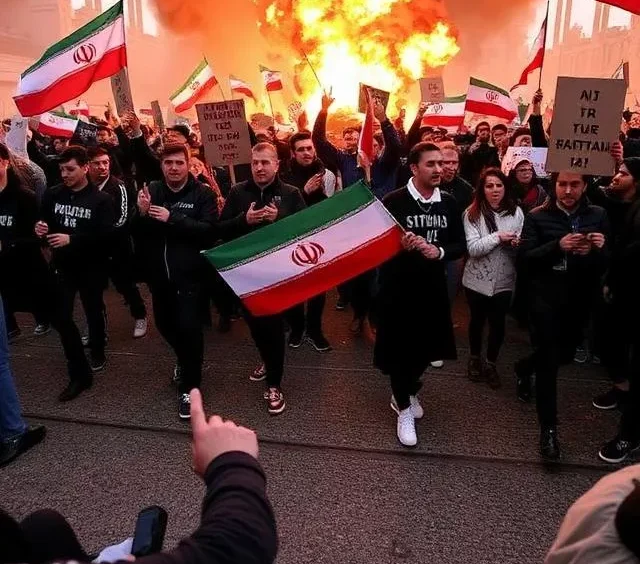
The unrest, sparked by skyrocketing inflation, rial collapse, and widespread poverty, evolved into one of the broadest anti-government movements in decades. Authorities responded with what rights organizations describe as unprecedented lethal force, including mass shootings, disappearances, and a near-total internet blackout from early January — tactics that hid the scale of violence while protests were crushed by mid-month.
While Iranian officials maintain a far lower official count and attribute many deaths to “armed terrorists,” independent monitors and UN officials have expressed horror at the brutality, calling for accountability and independent investigations.
Timeline of the Crackdown (Late 2025 – February 2026)
- Dec 28, 2025 onward: Protests begin over economic crisis; spread to 675+ locations in all 31 provinces.
- Early January 2026: Escalation; Supreme Leader Khamenei reportedly orders maximum force (live fire authorized).
- Jan 8–9: Peak massacres; security forces (IRGC, Basij, police) fire on crowds from streets/rooftops; hospitals raided; internet fully shut down.
- Mid-January: Protests largely quelled; arrests surge.
- Jan 21: Govt announces 3,117 deaths.
- Late January – February: Death toll climbs via activist verification; UN Türk condemns ongoing repression; EU Parliament (Feb 12) warns of crimes against humanity.
- February 12–13: HRANA updates to 7,002+; many fear higher true figure due to mass burials/disappearances.
Scale of Alleged Atrocities
- Casualties breakdown (HRANA activist data): Majority protesters; includes 150+ children, non-participants; 200+ security forces.
- Verification challenges: Internet blackout (longest globally), bodies hidden, families intimidated; activists rely on networks of medics, morgues, witnesses.
- Patterns reported: Close-range lethal shots, targeting vital areas; enforced disappearances; torture risks in detention.
- Economic fallout: Shutdown costs millions daily; businesses raided/closed for protest sympathy; rial hits lows; exacerbates grievances.
International Condemnation & Calls for Accountability
- UN High Commissioner Volker Türk: Multiple statements (Jan–Feb) express “horror” at violence; urges immediate halt to killings/repression, internet restoration, accountability for violations (including potential executions of detainees).
- EU Parliament (Feb 12): Condemns systematic repression; death toll possibly ~35,000; calls for UN documentation/evidence preservation for prosecutions; labels potential crimes against humanity.
- Other voices: Amnesty International documents unlawful force/prohibited weapons; exile media (Iran International) claim higher counts (36,500+); US/EU push sanctions/accountability amid nuclear talks.
- Iranian response: Rejects figures as exaggerated/foreign-backed; blames “terrorists” (US/Israel-funded); pursues diplomacy with Trump administration while denying mass atrocities.
Implications & Looking Ahead
The crackdown has quelled visible protests but deepened resentment — economic pain persists, and suppressed anger could resurface if pressure eases. Regime stability faces tests from internal grief, diaspora outrage, and external pressure (US military buildup, nuclear negotiations).
As verification continues amid restricted access, the true toll may never be fully known. The events mark one of the darkest chapters in modern Iranian history, raising urgent questions about human rights, regime legitimacy, and global response.
Our thoughts remain with victims’ families and those still detained or missing.
Published on www.worldreport.press Date: February 13, 2026 Category: Breaking News | Middle East | Human Rights & Protests
Follow us for more
- Latest tech news
https://worldreport.press/category/tech-news/ - Latest Grok Imagine 2026 update xAI rolls out 10-second videos
https://worldreport.press/tech-news/latest-grok-imagine-2026-update-xai-rolls-out-10-second-videos/ - How AI is reshaping banking in 2026 fewer branches smarter operations
https://worldreport.press/tech-news/how-ai-is-reshaping-banking-in-2026-fewer-branches-smarter-operations/ - Major worldwide news stories recap last week
https://worldreport.press/tech-news/major-worldwide-news-stories-recap-last-week/ - Breaking ChatGPT linked to 9 reported deaths including 5 alleged suicides
https://worldreport.press/tech-news/breaking-chatgpt-linked-to-9-reported-deaths-including-5-alleged-suicides-openai-under-fire-amid-lawsuits-and-musk-altman-clash/