

Carnival 2026: Brazil Sees Tourism, Security Surge

Carnival 2026: Brazil Sees Tourism, Security Surge
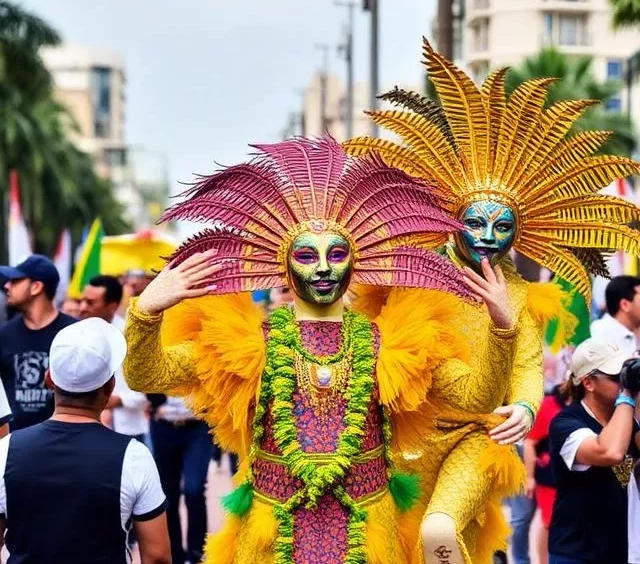
Brazil Carnival 2026 and related searches such as “Carnaval 2026 datas,” “blocos de rua Rio,” “Carnaval Salvador segurança,” and “Carnaval Brasil ingressos” have exploded on Google Trends in early February. With the official Carnival dates set for February 14–18, 2026 (Saturday to Ash Wednesday), interest has surged dramatically in the past week, reflecting anticipation for one of the world’s largest cultural events. Queries for street parties (blocos), hotel bookings, travel advisories, and safety measures have seen massive spikes, especially in Rio de Janeiro, Salvador, Recife, and São Paulo.
As of February 10, 2026, Brazil stands on the cusp of its post-pandemic Carnival resurgence. Under President Luiz Inácio Lula da Silva’s administration, the government and local authorities emphasize inclusive celebrations, enhanced public security, and economic recovery through tourism. This year’s event arrives amid improved consumer confidence, environmental commitments from COP30 hosting, and preparations for massive crowds—expected to exceed pre-2020 levels in major cities.
The Scale of Carnival 2026: Numbers and Economic Impact
Carnival remains Brazil’s signature cultural export and a major economic driver. Official estimates project:
- Over 15 million participants in Rio de Janeiro alone across street blocos and Sambódromo parades.
- 6–8 million visitors in Salvador’s circuit parties (Axé music focus).
- Recife and Olinda’s Galo da Madrugada parade drawing millions.
- Total national economic injection: R$ 8–10 billion (approximately US$1.4–1.8 billion), driven by tourism, hospitality, transport, and informal commerce.
The U.S. Embassy in Brazil issued a security alert on January 27, 2026, reminding citizens of large gatherings, pickpocketing risks, and alcohol-related incidents during February 14–18. Local governments have ramped up policing, with Rio deploying thousands of additional officers and cameras.
Consumer confidence supports optimism: Brazil ranked sixth globally in January 2026 per Ipsos, trailing only Indonesia, India, Malaysia, Thailand, and Sweden—up two points from December.
Preparations and Key Highlights
Major cities are finalizing logistics:
- Rio de Janeiro: Sambódromo parades feature 12 top samba schools (Grupo Especial) competing February 15–16 (Sunday–Monday), with champions’ parade on Saturday, February 21. Street blocos like Bola Preta, Cordão da Bola Preta, and Céu na Terra expect record crowds. New sustainability measures include waste reduction and water recycling.
- Salvador: The “circuito” (Barra-Ondina) hosts Axé icons; Pipoca circuit emphasizes free public access. Security includes facial recognition tech and anti-violence patrols.
- Recife/Olinda: Frevo and maracatu rhythms dominate; Galo da Madrugada (world’s largest carnival block) on February 15.
- São Paulo: Avenida Sapucaí parades and street events grow in popularity.
The Lula government ties Carnival to broader social goals, including the National Pact: Brazil Against Femicide launched February 4, with awareness campaigns integrated into festivities.
Root Causes of the Surge in Interest
Post-2020 recovery has fueled demand: 2023–2025 saw gradual rebuilding, but 2026 marks full-scale return with eased restrictions. Global factors include:
- Renewed international travel post-pandemic.
- Brazil’s COP30 legacy (Belém, 2025) boosting eco-tourism image.
- Social media virality of blocos and celebrity appearances.
Challenges persist: Inflation concerns, high domestic travel costs, and safety perceptions. However, strong Ibovespa performance (extending January’s 12.56% gain) and stable Selic rate discussions signal economic resilience.
Government and Stakeholder Reactions
President Lula has promoted Carnival as a symbol of unity and joy amid challenges. In recent statements, he defended multilateralism in foreign policy while focusing domestically on inclusion—Carnival aligns with this, offering free public events and anti-discrimination messaging.
Tourism authorities (Embratur) highlight Carnival’s role in recovery, projecting millions of international visitors. Business groups welcome the boost to hospitality and retail.
Critics note uneven benefits: wealthier tourists dominate paid sectors, while informal vendors face regulation. Environmental advocates push for greener practices, building on High Seas Treaty ratification (February 2026) and Climate Plan guidelines.
Media coverage from Folha de S.Paulo, O Globo, and international outlets like The Guardian frames it as cultural revival with security focus.
Expert Insights
Economists view Carnival as a consumption catalyst: Increased spending supports Q1 GDP amid Selic stability. Tourism experts predict 10–15% growth over 2025 figures.
Security analysts emphasize prevention: Enhanced coordination between federal, state, and municipal forces aims to minimize incidents.
Cultural commentators celebrate diversity: Carnival showcases Afro-Brazilian heritage, LGBTQ+ inclusion, and regional traditions.
Future Outlook: Beyond 2026
Short-term (February–March 2026): Expect peak activity February 14–18, followed by economic data reflecting the boost. Post-Carnival tourism dips, but momentum carries into summer.
Medium-term:
- Sustained tourism growth if safety and infrastructure improve.
- Integration with Lula’s agenda: social pacts, health investments (e.g., new polyclinics), and environmental policies.
- Global events like AIDS 2026 conference (Rio, July) build on Carnival visibility.
Opportunities:
- Record foreign exchange from tourism.
- Cultural soft power enhancement.
- Job creation in services and creative industries.
Risks:
- Overcrowding incidents or crime spikes damaging reputation.
- Weather disruptions (heavy rains common).
- Economic pressures if global slowdown affects travel.
For travelers: Book early, use official apps for bloco schedules, prioritize registered events, and follow safety advisories.
For businesses: Hospitality, transport, and vendors stand to gain; sustainability focus could attract eco-conscious visitors.
For Brazil: Carnival 2026 reinforces national identity and economic vitality in a pivotal year.
What This Means for Brazil and Beyond
Carnival 2026 embodies Brazil’s enduring spirit—resilient, diverse, and celebratory—amid political stability under Lula and global uncertainties. As preparations intensify, the event promises not just spectacle but economic stimulus, cultural affirmation, and a showcase of progress on inclusion and sustainability.
The coming week will reveal whether 2026 delivers the biggest, safest Carnival yet. Early indicators—from trending searches to confidence data—point to resounding success.
For continuing coverage of Brazil Carnival 2026 developments, tourism trends, and cultural impacts, bookmark World Report Press. Related reading: Our analyses on Brazil’s post-COP30 environmental policies and Lula’s foreign policy in 2026.
Follow us for more
- Latest tech news
https://worldreport.press/category/tech-news/ - Latest Grok Imagine 2026 update xAI rolls out 10-second videos
https://worldreport.press/tech-news/latest-grok-imagine-2026-update-xai-rolls-out-10-second-videos/ - How AI is reshaping banking in 2026 fewer branches smarter operations
https://worldreport.press/tech-news/how-ai-is-reshaping-banking-in-2026-fewer-branches-smarter-operations/ - Major worldwide news stories recap last week
https://worldreport.press/tech-news/major-worldwide-news-stories-recap-last-week/ - Breaking ChatGPT linked to 9 reported deaths including 5 alleged suicides
https://worldreport.press/tech-news/breaking-chatgpt-linked-to-9-reported-deaths-including-5-alleged-suicides-openai-under-fire-amid-lawsuits-and-musk-altman-clash/