



Saudi Arabia Reworks Vision 2030 Strategy

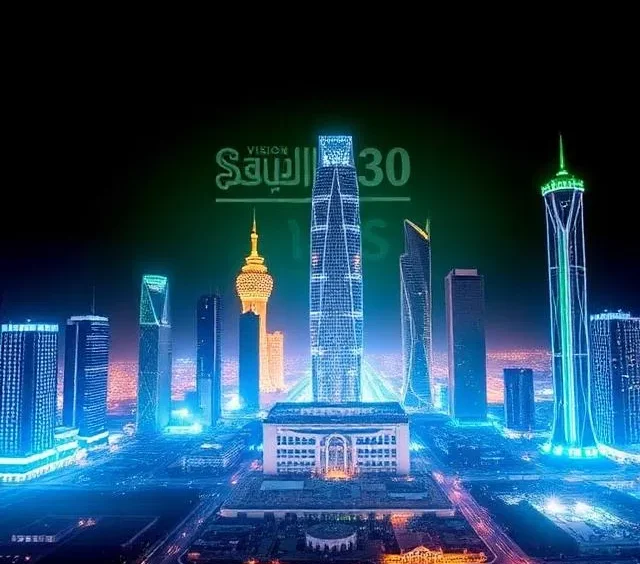
Saudi Arabia Reworks Vision 2030 Strategy
Saudi Arabia Vision 2030 update 2026 and related searches such as “PIF new strategy 2026,” “Saudi economic plan revision,” “Mohammed Al-Jadaan Vision 2030,” “Saudi Arabia fiscal pressures 2026,” and “NEOM redesign” have surged on Google Trends in early February. The announcement of an updated strategy for Crown Prince Mohammed bin Salman’s flagship economic diversification agenda—coupled with the Public Investment Fund’s (PIF) forthcoming 2026–2030 plan—has driven massive interest among investors, analysts, and citizens. Queries for details on scaled-back megaprojects, tourism/manufacturing focus, and budget implications reflect widespread scrutiny of how Saudi Arabia navigates fiscal constraints while advancing non-oil growth.
As of February 10, 2026, Saudi Arabia is recalibrating its ambitious Vision 2030 program amid evolving priorities and fiscal realities. Finance Minister Mohammed Al-Jadaan confirmed discussions on a revised five-year strategy emphasizing tourism, manufacturing, logistics, and technology over some earlier mega-projects. The PIF, the kingdom’s $925 billion sovereign wealth fund, is set to unveil its 2026–2030 roadmap this week, shifting from launching new sectors to accelerating ecosystems, private-sector integration, and sustainable growth. This marks the most significant reset since Vision 2030’s launch in 2016, balancing ambition with realism in a period of global energy transitions and domestic spending pressures.
The Strategy Reset: Key Announcements and Shifts
Finance Minister Al-Jadaan, speaking at the AlUla Conference for Emerging Market Economies, outlined the need for clearer communication on Vision 2030’s next phase. Highlights include:
- PIF 2026–2030 Strategy: Soft-launched with investors; full reveal imminent. Focus on industry, AI, tourism, and ecosystem integration rather than new mega-initiatives.
- Project Adjustments: NEOM’s The Line faces major redesign (smaller scope, emphasis on renewables and industrial development). FIFA World Cup 2034 stadium plans under review.
- Sector Priorities: Tourism (heritage-focused Ramadan hospitality), manufacturing (automotive localization via MASARAT Mobility Park agreements), logistics, and tech/AI.
- Fiscal Context: Efforts to shrink budget deficit amid oil price volatility; IMF calls for transparency on major projects.
These changes signal a pivot toward competitive advantages in traditional and emerging industries, with public-private partnerships as the engine.
Key Economic Indicators (as of early 2026):
- Non-oil GDP growth target: Sustained momentum via diversification.
- PIF assets: ~$925 billion, driving investments.
- Localization progress: Defense sector at ~25% (on track for 50% by 2030).
- Tourism surge: Ramadan 2026 campaign “Embrace the Radiance of Ramadan Lights” launched.
- New initiatives: Unified Employment Contract rollout (phased), Saudization hikes in sales/marketing (60% by April 2026).
Root Causes: Fiscal Pressures Meet Strategic Evolution
Vision 2030 aimed to diversify away from oil through mega-projects like NEOM, Red Sea, and Qiddiya. Recent years brought challenges:
- Oil revenue fluctuations.
- High spending on infrastructure.
- Global economic headwinds (trade tensions, energy transitions).
- Need for sustainable growth amid population demands.
The reset prioritizes efficiency, private-sector involvement, and realistic timelines. Crown Prince Mohammed bin Salman’s vision evolves toward “new Saudiness”—proactive regionally (e.g., Turkey ties, Syria investments) while domestically focusing on inclusive, resilient development.
Government and Stakeholder Reactions
Finance Minister Al-Jadaan: Government discussing communication of the updated strategy; focal areas include tourism, manufacturing, logistics, and technology.
PIF leadership: Shift to accelerating growth and ecosystems; invitation to private sector for partnerships.
Business groups and analysts welcome clarity: Potential to attract global capital, strengthen capital markets, and align with IMF recommendations.
Critics note scaled-back megaprojects may disappoint early expectations, but supporters see pragmatism strengthening long-term viability.
Media coverage (Bloomberg, Reuters, Arab News, Middle East Eye) frames it as a mature evolution of Vision 2030, with emphasis on private-sector role and fiscal discipline.
Expert Insights
Economists praise recalibration: Better alignment with competitive strengths reduces risks. Defense localization at halfway to 2030 target signals progress.
Regional analysts highlight diplomatic gains (Syria multibillion deals, Turkey partnership potential, Somalia military MOU) bolstering economic outreach.
Future Outlook: Implementation and Risks
Short-term (February–March 2026): PIF strategy announcement; Ramadan hospitality push; Hajj 2026 visa issuance underway.
Medium-term:
- Growth in prioritized sectors (tourism, AI, manufacturing).
- Private investment inflows if reforms deliver.
- Defense/tourism/entertainment markets expand (e.g., entertainment to $5.36B by 2031).
Opportunities:
- Attract FDI via clear strategy.
- Boost non-oil GDP through ecosystems.
- Enhance global soft power (Soft Power Index rise).
Risks:
- Execution delays or fiscal shortfalls.
- Oil price volatility impacting funding.
- Geopolitical tensions affecting regional ties.
For investors: Watch PIF announcements; sectors like tourism, logistics, and tech poised for gains. For citizens: Continued focus on jobs, Saudization, and quality-of-life improvements.
For Saudi Arabia: The revamp positions Vision 2030 for sustainable success.
What This Means for Saudi Arabia and Beyond
Saudi Arabia’s 2026 Vision 2030 reset reflects confident adaptation—scaling ambitious visions to pragmatic, high-impact priorities amid fiscal realities. By emphasizing private partnerships, competitive sectors, and regional diplomacy, the kingdom aims for resilient diversification.
As the PIF strategy unfolds and Ramadan approaches, successful execution will reinforce Saudi Arabia’s global economic role. The shift from grand launches to accelerated growth signals maturity in pursuing a post-oil future.
For continuing coverage of Saudi Arabia Vision 2030 2026 developments, PIF strategy, and economic reforms, bookmark World Report Press. Related reading: Our analyses on Saudi defense localization and tourism campaigns in 2026.
Follow us for more
- Latest tech news
https://worldreport.press/category/tech-news/ - Latest Grok Imagine 2026 update xAI rolls out 10-second videos
https://worldreport.press/tech-news/latest-grok-imagine-2026-update-xai-rolls-out-10-second-videos/ - How AI is reshaping banking in 2026 fewer branches smarter operations
https://worldreport.press/tech-news/how-ai-is-reshaping-banking-in-2026-fewer-branches-smarter-operations/ - Major worldwide news stories recap last week
https://worldreport.press/tech-news/major-worldwide-news-stories-recap-last-week/ - Breaking ChatGPT linked to 9 reported deaths including 5 alleged suicides
https://worldreport.press/tech-news/breaking-chatgpt-linked-to-9-reported-deaths-including-5-alleged-suicides-openai-under-fire-amid-lawsuits-and-musk-altman-clash/