




Israel This Week: Security, Diplomacy & Domestic Strains

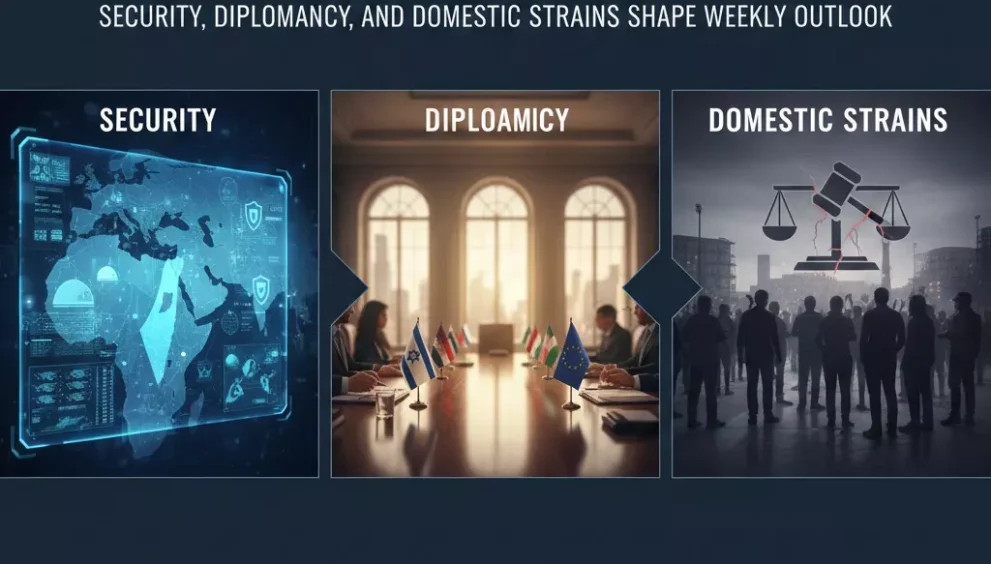
Israel’s Strategic Crossroads: Security, Diplomacy, and Domestic Strains Shape Weekly Outlook
By James | US-based Global Affairs Correspondent
Key Global Israel News This Week
Major Israel Developments This Week (Security, Diplomacy & Regional Tensions)
Tel Aviv / Washington / Middle East — This week Israel remains at the center of intensifying regional and international scrutiny as security dynamics, diplomatic initiatives, settlement policy shifts, and deepening humanitarian concerns dominate headlines. Officials, analysts, and international partners alike are watching developments that carry implications for Middle East stability, U.S. foreign policy, and global geopolitics.
Below is a comprehensive analysis of the most consequential developments shaping Israel’s domestic and international trajectory this week.
Security and Military Dynamics: Gaza, Iran, and Regional Posture
Humanitarian Crisis in Gaza Persists Amid Conflict Pressure
Israeli forces continue military operations in Gaza while efforts to manage ceasefire frameworks evolve. Palestinian civilians face acute shortages of food, water, and medical supplies, with United Nations agencies indicating severe strain in parts of northern Gaza, described internally by some aid officials as approaching “wasteland” conditions — though U.S. envoys to Israel reportedly blocked broader circulation of a deeply critical USAID cable this week out of concern for balance in diplomatic messaging.
The tense security environment reflects unresolved political and humanitarian dynamics stemming from the conflict’s escalation in late 2023 and subsequent operations. Recent actions include Israel’s recovery of the final hostage’s remains from Gaza, potentially enabling progress on elements of a U.S.-brokered peace plan tied to reopening the Rafah crossing — a focal point for civilian movement and humanitarian access.
U.S. and Israeli Strategy on Iran Tightens but Limits Escalation
Amid heightened U.S.–Iran rhetoric — including public threats of military action by Washington — global financial institutions see a cautious strategic posture. Citi analysts report Washington and Tel Aviv may pursue limited actions designed to pressure Iran without broad escalation, such as precision strikes or targeted maritime operations, while avoiding full-scale conflict. This restrained approach is intended to manage risk in global oil markets and prevent a wider regional conflagration.
Across the region, U.S. military assets, including the USS Abraham Lincoln carrier strike group, remain deployed in the Eastern Mediterranean and Arabian Sea, heightening tensions with Tehran even as senior commanders stress deterrence.
Lebanon and West Bank Tensions Continue
Security analysts note that in southern Lebanon, clashes involving Israeli forces and militant groups have resulted in casualties on both sides this week, underscoring fragile ceasefire arrangements with Hezbollah-aligned elements. Incidents have drawn condemnation from Lebanese authorities and raised concerns about broader escalation.
In the occupied West Bank, demonstrations and forceful confrontations persist, with reports of civilian casualties and ongoing military operations. International monitoring groups have condemned rising violence and displacement resulting from these actions.
Diplomacy and Global Reactions: Alignments and Pressures
U.S.–Israel Talks on Long-Term Security Pact
Israeli sources and defense analysts report that negotiations between Washington and Jerusalem are set to begin on an updated 10-year security agreement, potentially transforming the nature of American military support from unconditional funding toward joint development and strategic projects. Israeli military advisers highlight an emphasis on collaborative systems like the Iron Dome and future defense technologies, aligning mutual interests beyond traditional aid frameworks.
Such a pact would come amid a broader reevaluation in Washington of Middle East strategy, where U.S. policymakers seek to balance deterrence with strategic restraint amid competing global priorities.
Regional Diplomacy: Expanding Ties Beyond Immediate Conflict Zones
This week also saw diplomatic engagement between Israel and Azerbaijan, with both countries discussing bilateral cooperation on economic and security fronts. The talks signal Israel’s continued outreach to regional partners outside the Arab-Gulf framework, aiming to bolster economic and strategic linkages.
Simultaneously, Iran’s foreign minister held talks in Turkey focused on reducing tensions with the United States, a diplomatic move that may indirectly shape Israeli security calculations. Ankara’s mediation efforts underscore Turkey’s role as a regional balancer and signal concern about instability’s wider repercussions.
Domestic Politics and Governance Strains in Jerusalem
Budget Deadlock and Potential Snap Elections
Inside Israel, domestic political friction intensified this week as coalition disagreements over the national budget and reservist exemptions threaten to trigger snap elections if lawmakers fail to advance key budget readings. Political commentators note the standoff reflects deeper societal divisions over security, economic priorities, and conscription policies, with ultra-Orthodox parties and security hardliners at odds on core issues.
These political uncertainties occur alongside significant public opinion dynamics: recent national security surveys show Israelis divided on the prospect of proactive operations against Iran, with concerns about both security and long-term diplomatic consequences shaping public sentiment.
Settlement Policy and International Backlash
Controversial settlement expansion in the West Bank remains a flashpoint. Israeli authorities have cleared procedural hurdles for construction in the strategic E1 corridor east of Jerusalem — a move long opposed by Palestinian officials and many international partners who argue such developments undermine future statehood prospects.
Settlement planning continues to draw widespread global criticism, with United Nations quarterly reports highlighting unprecedented levels of settler violence and displacement. Such actions complicate diplomatic engagement with the United States, European Union, and neighboring Arab states, all of whom have varied responses ranging from condemnation to cautious engagement.
Economic Outlook: Growth Amid Conflict Pressures
Despite ongoing security challenges, Israel’s central bank reports moderate economic expansion, with GDP projected to grow by over 5% in 2026 as private consumption and investment recover post-conflict pressures. Investment in housing, technology, and capital equipment — particularly as reservists return to civilian employment — is expected to support a rebound in construction and industrial activity.
International investors and analysts are closely watching these macroeconomic trends, noting that Israel’s high-tech sector and defense industries continue to attract foreign capital even amid geopolitical stresses.
Why This Matters Globally
1. Geopolitical Stability in the Middle East
Israel’s military actions, diplomatic negotiations with the U.S. and regional partners, and interactions with Iran and Lebanon carry global security ramifications — including impacts on oil markets, defense alliances, and migration. The U.S. and EU are balancing deterrence with conflict containment, wary of broader instability.
2. International Law and Humanitarian Responses
Humanitarian conditions in Gaza and settlement expansion in the West Bank fuel global debates on international law and humanitarian intervention. Countries worldwide are adjusting their diplomatic stances, influencing trade, aid, and cooperation with Israel and Palestinian authorities.
3. Economic Integration and Investment Flows
Israel’s economic resilience, particularly in technology and defense sectors, continues to draw global investment. Proposed fiscal agreements with the U.S. and improved regional economic links could further integrate Israel into broader global markets.
James reports on Middle East security, diplomacy, and geopolitical trends for international audiences, focusing on developments with global impact.

