



Zimbabwe Politics 2026: Term Extension Controversy

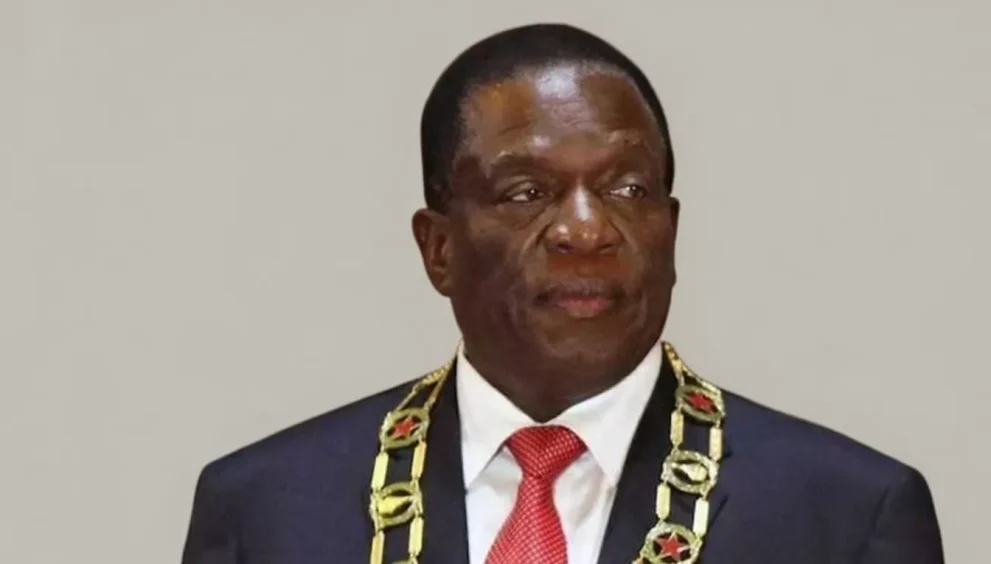
Zimbabwe Politics 2026: Term Extension Controversy
Zimbabwe constitutional amendments 2026 and related searches such as “Mnangagwa term extension,” “Zanu PF 2030 agenda,” “Parliament elects president Zimbabwe,” and “Constitution Amendment Bill 2026” have surged on Google Trends in the past 24–48 hours. Leaked Cabinet documents and reports from February 10, 2026, revealing plans to scrap direct presidential elections, extend terms to seven years, and reshape succession have ignited intense public, media, and opposition scrutiny. Interest reflects deep concern over governance, democracy, and President Emmerson Mnangagwa’s political future amid economic stabilization efforts.
As of February 10, 2026, Zimbabwe faces a potential seismic shift in its political framework. Justice Minister Ziyambi Ziyambi is set to present a memorandum to Cabinet on the Constitution of Zimbabwe Amendment Bill, 2026, proposing radical changes that would allow President Mnangagwa—currently in his second and final term—to potentially remain in power until 2030. The ruling Zanu PF party drives the initiative, framing it as institutional reform, but critics decry it as a bid to entrench power and weaken democratic accountability.
The Proposed Amendments: Key Provisions
Leaked details outline sweeping changes:
- Term extension: Extend presidential and parliamentary terms from five to seven years, potentially extending Mnangagwa’s tenure from 2028 to 2030.
- Election mechanism: Replace direct popular presidential elections with parliamentary selection (per Standing Rules and Orders of Parliament).
- Succession reshaping: Alter vice-presidential pathways and institutional architecture to reduce factional risks in leadership transitions.
- Other elements: Broader governance tweaks affecting checks and balances.
These proposals build on earlier Zanu PF discussions around the “ED2030” agenda, which faced legal challenges earlier in the year. If passed, amendments would require a two-thirds parliamentary majority and likely a referendum, given their impact on core constitutional rights.
Key Political Facts at a Glance:
- Current term limits: President limited to two five-year terms (ends 2028).
- Proposed change: Seven-year terms; parliamentary election of president.
- Driver: Zanu PF majority in Parliament.
- Opposition response: Widespread condemnation from CCC remnants, civil society, and exiled figures.
- Public sentiment: Mixed—some support stability amid economic gains; many fear authoritarian drift.
Root Causes: Political Stability vs. Democratic Backslide
The push emerges against a backdrop of internal Zanu PF tensions, succession uncertainties, and external economic pressures. Mnangagwa’s administration has stabilized the ZiG currency (gold-backed since 2024), achieved single-digit inflation (4.1% in January 2026), and secured an IMF Staff-Monitored Program agreement on February 6, projecting 5% growth in 2026 driven by mining (gold, lithium) and agriculture recovery.
However, critics argue the amendments distract from persistent challenges:
- Currency volatility concerns despite ZiG gains.
- Drought impacts and food security risks.
- Cholera outbreaks (recent in Rushinga district).
- Funeral insurance outpacing health coverage amid economic hardship.
The timing coincides with war veterans’ calls for Mnangagwa’s resignation and the death of critic Blessed Geza, highlighting factional strains.
Government and Stakeholder Reactions
Zanu PF spokespeople defend the proposals as modernizing governance and ensuring continuity. President Mnangagwa has emphasized sovereignty, resilience, and “deliver or be left behind” in 2026 directives.
Opposition voices and civil society condemn the move:
- Nelson Chamisa-linked groups signal renewed political activity amid court challenges.
- Analysts warn of deepened mistrust, potential protests, and economic paralysis if divisions escalate.
International observers (e.g., Al Jazeera, Reuters) frame it as part of broader African trends toward extended presidencies. The IMF’s recent SMP praise for fiscal/monetary reforms contrasts with political concerns.
Media coverage from NewZimbabwe.com, ZimLive, The Zimbabwean, and Moneyweb highlights propaganda around economic “successes” (e.g., bumper harvests despite shortages) versus governance risks.
Expert Insights
Economists note positive IMF signals: 5% growth forecast for 2026, single-digit inflation, and mining/agriculture strength. However, political instability could undermine investor confidence and ZiG stability.
Political analysts warn amendments risk dividing the nation further, inflaming factionalism, and eroding democratic norms. Some see it as a response to internal pressures; others view it as entrenchment.
Future Outlook: High Stakes Ahead
Short-term (February–March 2026): Cabinet deliberation on the bill; potential parliamentary push. Public debate intensifies; opposition mobilization possible. Economic indicators (ZiG stability, inflation) watched closely.
Medium-term:
- If advanced: Referendum debates, protests, or legal challenges.
- If stalled: Internal Zanu PF realignments or succession crises.
- Economic trajectory: 5% growth plausible if reforms hold; external headwinds (global commodity prices, financing) remain risks.
Opportunities:
- Stability narrative boosts investor sentiment in mining/tourism.
- IMF SMP could unlock re-engagement with creditors.
- Stronger China ties (ministerial statements) for infrastructure.
Risks:
- Escalating political tensions leading to unrest.
- Erosion of democratic credibility affecting aid/investment.
- Currency or inflation reversal if confidence wanes.
For citizens: Heightened vigilance on governance; economic gains (lower inflation) offer short-term relief but long-term stability uncertain.
For businesses/investors: Monitor political risk; mining and agriculture sectors remain bright spots.
For Zimbabwe: The amendments test the balance between continuity and pluralism in a nation rebuilding economically.
What This Means for Zimbabwe and Beyond
The proposed 2026 constitutional amendments represent a high-stakes gamble: extending executive power for perceived stability versus risking backlash that could destabilize fragile economic progress. While inflation control and IMF backing signal recovery, political maneuvers dominate headlines and could define 2026.
As Cabinet deliberates, the outcome will shape Zimbabwe’s democratic trajectory, investor perceptions, and regional influence. Vigilance from citizens, opposition, and international partners will be crucial.
For continuing coverage of Zimbabwe constitutional amendments 2026 developments, economic reforms, and political updates, bookmark World Report Press. Related reading: Our analyses on ZiG currency stability and IMF engagement in 2026.
Follow us for more
- Latest tech news
https://worldreport.press/category/tech-news/ - Latest Grok Imagine 2026 update xAI rolls out 10-second videos
https://worldreport.press/tech-news/latest-grok-imagine-2026-update-xai-rolls-out-10-second-videos/ - How AI is reshaping banking in 2026 fewer branches smarter operations
https://worldreport.press/tech-news/how-ai-is-reshaping-banking-in-2026-fewer-branches-smarter-operations/ - Major worldwide news stories recap last week
https://worldreport.press/tech-news/major-worldwide-news-stories-recap-last-week/ - Breaking ChatGPT linked to 9 reported deaths including 5 alleged suicides
https://worldreport.press/tech-news/breaking-chatgpt-linked-to-9-reported-deaths-including-5-alleged-suicides-openai-under-fire-amid-lawsuits-and-musk-altman-clash/