


Global Reaction to US-Iran Ceasefire Deal

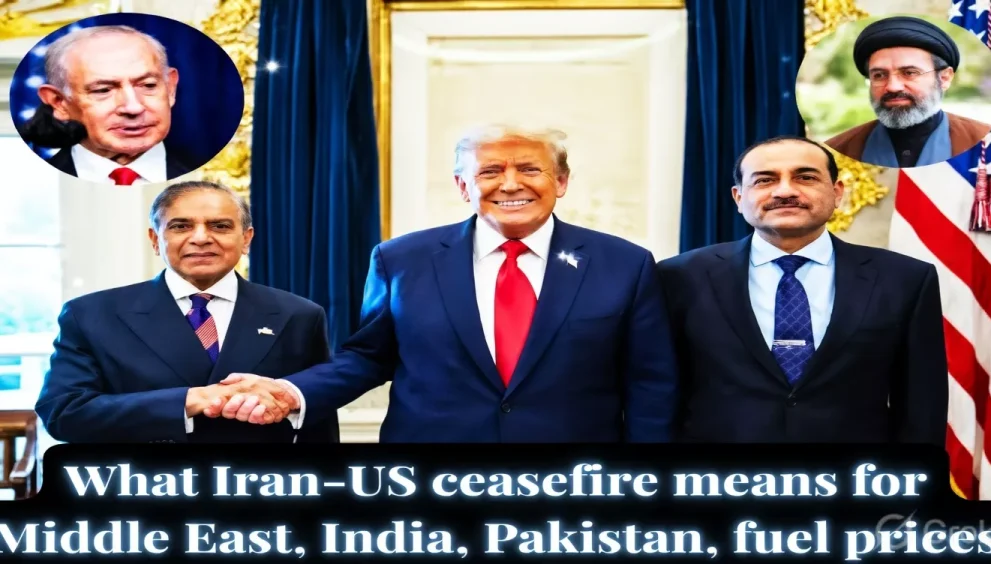
April 8, 2026 – President Donald Trump’s announcement of a conditional two-week ceasefire with Iran, linked to the immediate reopening of the Strait of Hormuz, has elicited a mix of relief, cautious optimism, and skepticism from world leaders, markets, and international organizations. The deal, reportedly mediated with help from Pakistan, has temporarily eased fears of a wider Middle East conflict and triggered sharp falls in global oil prices.
While many governments welcomed the de-escalation, several expressed reservations about the short duration of the truce and the exclusion of certain fronts, such as fighting in Lebanon.
Market Reaction: Oil Plunges, Stocks Surge
Global financial markets reacted positively to the news:
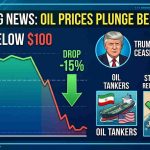
- Oil prices dropped sharply, with Brent crude falling over 13% and WTI crude seeing similar declines as investors bet on restored shipping through the critical Strait of Hormuz.
- Asian stock markets jumped in early trading: Japan’s Nikkei 225 rose nearly 5%, South Korea’s Kospi gained almost 6%, Hong Kong’s Hang Seng climbed 2.8%, and Australia’s ASX 200 was up 2.7%.
- US stock futures also pointed to a higher opening on Wall Street.
Analysts described the mood as one of “cautious optimism,” noting that while the ceasefire removes the immediate war premium, long-term stability depends on successful negotiations.
Reactions from Key Countries and Leaders
Israel Prime Minister Benjamin Netanyahu’s office stated that Israel backs the US ceasefire with Iran but clarified that the deal does not cover ongoing fighting against Hezbollah in Lebanon. Israel supports US efforts to ensure Iran no longer poses a nuclear, missile, or terror threat to the region.
Iran Iran’s Foreign Minister Abbas Araghchi confirmed acceptance of the two-week ceasefire, saying safe passage through the Strait of Hormuz would be coordinated by Iran’s armed forces for the period, provided attacks on Iran halt. Iran’s Supreme National Security Council also endorsed the move, though Tehran has framed it as a response to halted aggression rather than a concession.
Pakistan As the key mediator, Pakistan played a central role in brokering the deal. Pakistani officials, including Prime Minister Shehbaz Sharif, have expressed hope that the ceasefire will extend to Lebanon and lead to broader negotiations starting in Islamabad.
Australia Prime Minister Anthony Albanese welcomed the ceasefire while criticizing President Trump’s aggressive rhetoric in the lead-up to the agreement.
United Nations UN Secretary-General António Guterres welcomed the two-week ceasefire and urged all parties to abide by its terms to pave the way for a lasting and comprehensive peace in the region.
China As Iran’s largest trading partner, China encouraged Tehran to pursue a ceasefire during talks and has consistently called for de-escalation and dialogue. Beijing has previously vetoed certain UN resolutions related to Hormuz shipping protection.
Russia Russian officials have highlighted perceived weaknesses in Western responses and called for a return to political and diplomatic tracks. Some Russian voices described the crisis as exposing rifts within NATO and between the US and its European allies.
Europe and Other Nations Many European countries expressed relief at the pause in hostilities, though some had earlier condemned aspects of the escalation. The European Union and several Western allies have emphasized the need for a credible long-term resolution.
Broader Global Sentiment
- Relief over Energy Security: Nations dependent on Gulf oil, including many in Asia and Europe, view the potential reopening of the Strait of Hormuz (which handles nearly 20% of global oil and LNG flows) as critical for stabilizing energy supplies and curbing inflation.
- Skepticism on Durability: Observers worldwide note that two weeks is a short window. Concerns remain that the truce could collapse if negotiations in Islamabad stall or if incidents occur in Lebanon or elsewhere.
- Calls for Lasting Peace: International bodies and several governments are urging both sides to use this pause for meaningful talks rather than mere tactical maneuvering.
WorldReport.press Takeaway
The US-Iran two-week ceasefire has been met with widespread but guarded approval across the globe. While it has delivered immediate economic relief through falling oil prices and rising stock markets, the international community remains watchful. Success will ultimately depend on whether this temporary pause evolves into a durable diplomatic solution that addresses deeper issues, including Iran’s nuclear program, regional security, and freedom of navigation in the Strait of Hormuz.
The coming days — with talks scheduled to begin in Pakistan — will be decisive. Any violation or breakdown could quickly reignite tensions and market volatility.
WorldReport.press will continue to monitor reactions from capitals around the world, oil market movements, and developments in the Middle East as this fragile ceasefire takes hold.
What is your view on the global response to the US-Iran ceasefire? Share your thoughts in the comments below.
Based on statements from world leaders, market data, and international reports as of April 8, 2026