


Donald Trump Warns Iran of ‘Power Plant Day’

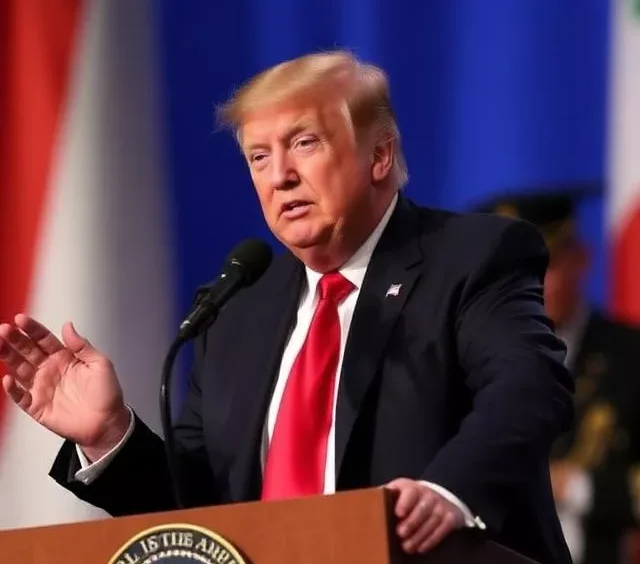
Washington/Tehran – April 7, 2026 — US President Donald Trump has issued a forceful ultimatum to Iran, threatening to destroy the country’s power plants, bridges, and critical infrastructure if Tehran fails to fully reopen the Strait of Hormuz by 8 p.m. ET on Tuesday.
In an expletive-laden Truth Social post on Easter Sunday and during a White House press conference on Monday, Trump declared that Tuesday could become “Power Plant Day and Bridge Day, all wrapped up in one.” He warned that failure to comply would leave Iran “living in Hell” and stated the entire country “can be taken out in one night.”
Trump added: “Every bridge in Iran will be decimated… Every power plant in Iran will be out of business, burning, exploding and never to be used again.” He emphasized he is “not at all” concerned about potential accusations of war crimes related to targeting civilian infrastructure.
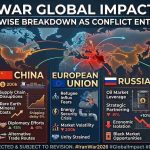
The deadline focuses on the Strait of Hormuz — the narrow waterway through which nearly one-fifth of global oil and gas passes. Traffic has been heavily disrupted since the US-Israel military campaign against Iran, known as Operation Epic Fury, began on February 28, 2026, triggering sharp increases in global oil prices and fears of wider economic disruption.
Intensified Strikes Continue
US and Israeli forces carried out significant strikes on Monday, described by US officials as among the largest since the conflict started. Targets included:
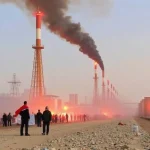
- Sharif University of Technology in Tehran, one of Iran’s leading scientific institutions, where buildings and nearby gas infrastructure were damaged.
- Petrochemical facilities at the South Pars gas field in Asaluyeh — the world’s largest gas field — responsible for a substantial portion of Iran’s petrochemical production. Israeli Defense Minister Israel Katz confirmed the strike, calling it a blow to facilities linked to Iran’s missile program.
- Additional energy and industrial sites across multiple provinces.
Iranian reports indicate at least 25–49 people were killed in Monday’s strikes alone, with widespread power outages and chemical pollution reported in affected areas. The overall civilian death toll in Iran since late February has climbed significantly, according to humanitarian monitors.
Iran has retaliated with missile and drone attacks on Israeli targets, including Haifa, and on Gulf energy installations. The Islamic Revolutionary Guard Corps (IRGC) also reported the loss of senior intelligence official Maj. Gen. Seyed Majid Khademi in an Israeli strike.
Diplomatic Efforts Stall
A US-proposed framework for a potential 45-day ceasefire and reopening of the strait has been rejected by Tehran. Iranian officials described the proposal as “unrealistic” and “maximalist,” insisting instead on a permanent end to the war, lifting of sanctions, reconstruction assistance, and a broader regional de-escalation that includes Lebanon.
Trump acknowledged receiving an Iranian counter-proposal via mediators (including Pakistan), calling elements of it “significant” but ultimately insufficient to avert the deadline. He described Tuesday’s 8 p.m. ET cutoff as final, though he has extended previous deadlines in recent weeks.
Defense Secretary Pete Hegseth and senior military officials are expected to provide further updates as the deadline approaches.
Global Concerns Mount
Military law experts have warned that systematic attacks on power plants, bridges, and other civilian infrastructure could violate international humanitarian law and amount to war crimes due to the severe impact on civilian populations, including access to electricity, water, and healthcare.
The conflict has already caused widespread displacement, environmental damage from struck industrial sites, and strain on regional stability. Global oil markets remain volatile amid uncertainty over the strait’s future.
As the Tuesday deadline nears, diplomats continue last-minute efforts to prevent further escalation. The world is closely watching whether the US-Israel campaign will intensify dramatically or if a diplomatic breakthrough can still emerge in the 2026 Iran War.