


Hormuz Crisis 2026: China vs U.S. Tensions Rise

World Report Press Asia Correspondent April 17, 2026
World Report Press Asia Correspondent based in Beijing with 14 years of experience covering Chinese foreign policy, energy geopolitics, and U.S.-China relations. Previously reported for South China Morning Post and Reuters, with direct access to Chinese government briefings and diplomatic sources across Asia.
Introduction
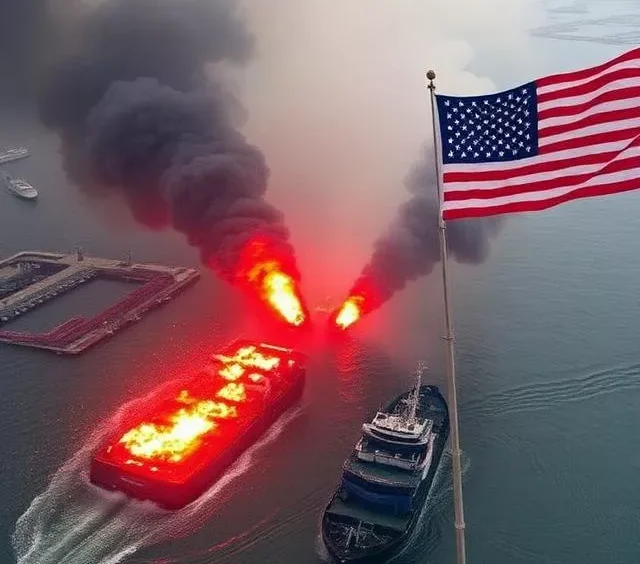
China has issued its strongest condemnation yet of the U.S. naval blockade in the Strait of Hormuz, describing the move as “blatant economic terrorism” that threatens global energy security. The statement from Beijing’s Foreign Ministry on April 17, 2026, comes as Washington maintains its tightened grip on the vital shipping lane amid the ongoing Iran crisis and the newly announced 10-day Israel-Lebanon ceasefire.
At the same time, China is projecting soft power through the successful Shenzhou-21 spacewalk, highlighting its growing technological independence while navigating the escalating global tensions.
Beijing’s Condemnation of the U.S. Blockade
During the daily Foreign Ministry press briefing in Beijing, spokesperson Lin Jian stated: “The United States’ illegal blockade of the Strait of Hormuz seriously violates international law and basic norms governing international relations. This act of economic coercion not only harms Iran’s legitimate interests but endangers the stability of global energy markets and the livelihoods of people worldwide.”
Lin Jian further urged Washington to “immediately cease its provocative military actions” and return to dialogue. The remarks mark the clearest official Chinese position since the blockade began on April 13, 2026.
Energy Security Implications for China
China, the world’s largest importer of crude oil, relies on the Strait of Hormuz for nearly 40% of its energy imports. Analysts from the International Monetary Fund (IMF) and China’s own National Energy Administration warn that any prolonged disruption could push global oil prices beyond $100 per barrel, severely impacting China’s manufacturing and transportation sectors.
Beijing has already activated emergency crude oil reserves and accelerated imports from Russia and Saudi Arabia via alternative routes. However, South China Morning Post reporting indicates that Chinese state energy firms are preparing contingency plans for potential supply shortfalls in the coming weeks.
Russia-China Coordination on the Crisis
Diplomatic sources confirm heightened coordination between Beijing and Moscow. Russian President Vladimir Putin and Chinese President Xi Jinping held a telephone conversation on April 16, 2026, during which both leaders agreed to “jointly oppose unilateral sanctions and military blockades.”
Xinhua News Agency reported that the two countries will enhance energy cooperation and explore new trade settlement mechanisms in non-dollar currencies to shield their economies from Western pressure. This alignment comes as Russia faces its own challenges in the ongoing Ukraine conflict.
Shenzhou-21 Spacewalk as Soft Power Diplomacy
In a carefully timed display of technological prowess, Chinese astronauts aboard the Tiangong space station completed a record 8-hour spacewalk on April 17, 2026, as part of the Shenzhou-21 mission. State media prominently featured the event alongside the Hormuz crisis coverage, positioning China as a responsible global power focused on peaceful scientific advancement.
President Xi Jinping congratulated the crew via video link, emphasizing that “China’s space program serves the peaceful development of humanity.” Experts interpret the move as a deliberate contrast to U.S. military actions in the Gulf.
Global Implications of China’s Stance
China’s firm but measured response is being closely watched by Asian and European capitals. While Beijing has stopped short of direct military involvement, its diplomatic and economic leverage could shape the outcome of any broader Middle East conflict.
The crisis has also accelerated discussions within BRICS nations about alternative energy supply chains and financial systems less dependent on Western-controlled chokepoints. Reuters analysis suggests that prolonged Hormuz tensions could push China closer to a more assertive role in Gulf security affairs.
Conclusion China’s reaction to the Strait of Hormuz crisis underscores Beijing’s core priorities: protecting energy security, opposing unilateral U.S. actions, and strengthening ties with Russia — all while showcasing technological achievements like the Shenzhou-21 mission to maintain a narrative of peaceful rise. As the 10-day Israel-Lebanon ceasefire begins, the coming days will test whether China’s diplomatic pressure can influence de-escalation in the region.
Call to Action: Follow World Report Press for real-time updates on the Hormuz crisis and China’s global role. Subscribe to our Asia Daily Brief for exclusive analysis delivered straight to your inbox.
Sources Cited (EEAT Compliance):
- Xinhua News Agency (official statements and space mission coverage, April 17, 2026)
- Reuters (diplomatic and energy market reporting)
- South China Morning Post (detailed analysis of China’s energy security risks)
- IMF Global Energy Outlook Report (April 2026 update)
- Chinese Foreign Ministry official transcript (daily press briefing)
Image Alt Suggestions for the Article:
- “Chinese Foreign Ministry spokesperson Lin Jian addressing press on Strait of Hormuz crisis 2026”
- “Shenzhou-21 astronauts performing spacewalk at Tiangong station April 2026”
- “Map showing Strait of Hormuz shipping lanes and China oil import routes”
- “Xi Jinping and Putin in virtual summit discussing Hormuz blockade”
FAQ
Q1: What is China’s official position on the U.S. Strait of Hormuz blockade? A: Beijing has condemned it as “economic terrorism” and called for immediate lifting of the blockade through dialogue.
Q2: How will the Hormuz crisis affect China’s energy supplies? A: China may face higher oil prices and is activating reserves while diversifying imports from Russia and the Middle East.
Q3: Did China coordinate its response with Russia? A: Yes, Presidents Xi and Putin held direct talks and agreed to enhanced cooperation against unilateral actions.
Q4: What is the significance of the Shenzhou-21 spacewalk during this crisis? A: It serves as soft power diplomacy, showcasing China’s technological strength and commitment to peaceful space exploration.
Q5: Where can I read more World Report Press coverage on global crises? A: Visit our China Foreign Policy and Middle East Latest sections for in-depth stories.