

Vibe Coding 2026: Future of Software Development?


In 2026, a transformative approach to software creation is gaining massive traction across the globe: vibe coding.
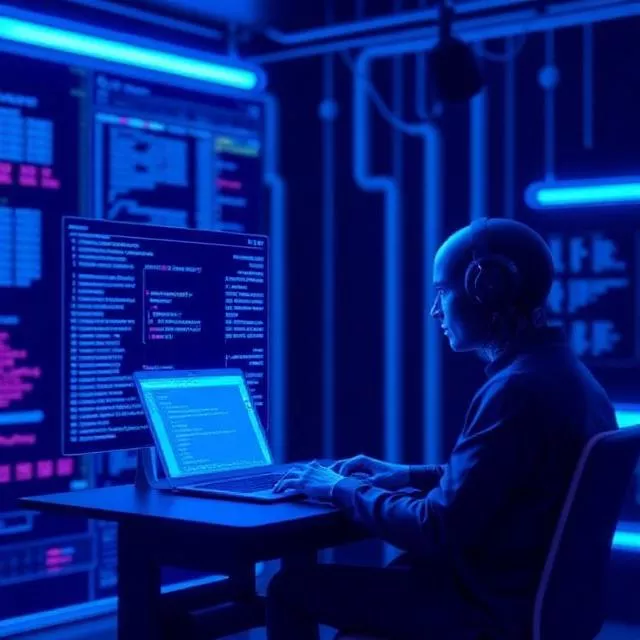
Popularized by AI pioneer Andrej Karpathy, vibe coding allows developers and non-developers alike to describe their desired application in natural language — and let advanced AI tools (such as Cursor, Claude, Grok, or specialized coding agents) generate the actual code. Instead of manually writing every line, users focus on the “vibe” or outcome they want, then iterate through conversational prompts.
With AI adoption skyrocketing in Silicon Valley, Europe, Asia, and emerging tech hubs, vibe coding is reshaping how software is built worldwide. But is it a revolutionary leap forward or a shortcut that could create long-term problems?
Here’s a comprehensive, balanced analysis of the pros and cons of vibe coding in 2026 for a global audience.
Understanding Vibe Coding
Traditional coding demands deep expertise in programming languages, frameworks, architecture, and debugging. Vibe coding flips the script: you describe what the app should do (“Build a real-time collaborative dashboard with dark mode, notifications, and export to PDF”), and the AI handles implementation details.
By 2026, surveys show that more than 85% of developers worldwide are using AI coding assistants daily, with a significant portion of new code being AI-generated. The trend is especially strong in fast-paced startup ecosystems, enterprise innovation teams, and among solo developers and entrepreneurs across continents.
Pros of Vibe Coding – Why the World is Embracing It
- Dramatically Faster Prototyping and Iteration Ideas that once required weeks of development can now be turned into functional prototypes in hours or days. This speed gives startups and companies a critical edge in competitive global markets, allowing rapid experimentation and validation.
- Lower Barrier to Entry for Innovation Vibe coding democratizes software creation. Entrepreneurs, designers, product managers, and even individuals without formal computer science backgrounds can now build MVPs. This is particularly impactful in emerging markets across Asia, Africa, and Latin America, where access to skilled developers can be limited or expensive.
- Significant Productivity Gains for Experienced Developers Professional engineers report 3x to 5x improvements in output by offloading repetitive tasks, boilerplate code, and routine refactoring. This allows them to focus on high-value work such as system architecture, complex problem-solving, and strategic innovation.
- Cost Efficiency and Faster Time-to-Market In a global economy with rising development costs, vibe coding helps companies and freelancers reduce expenses while accelerating product launches. Small teams and bootstrapped startups benefit the most, stretching limited resources further.
- Enhanced Creativity and Reduced Burnout The conversational, iterative nature of vibe coding feels more like creative brainstorming than tedious coding sessions. This “fun factor” helps maintain developer engagement and reduces burnout across global tech teams.
Cons of Vibe Coding – The Serious Challenges to Consider
- Variable Code Quality and Accumulating Technical Debt AI frequently delivers functional but suboptimal code. Issues with efficiency, readability, maintainability, and best practices often surface later, leading to significant technical debt. Enterprises and long-term projects are particularly vulnerable to these “vibe hangovers.”
- Increased Security Risks Studies in 2026 consistently highlight that AI-generated code contains more vulnerabilities (such as SQL injection, insecure dependencies, or outdated libraries) compared to human-written code. For applications handling sensitive data, finance, healthcare, or critical infrastructure, this poses serious compliance and breach risks.
- Scalability and Long-Term Maintainability Issues Vibe coding excels at small prototypes and simple applications but struggles with complex, large-scale systems that require clean architecture and robust design. As products grow to serve millions of users worldwide, hidden flaws become expensive to fix.
- Debugging Difficulties When problems arise, developers who relied heavily on AI prompts often struggle to understand and debug the generated code. This can turn quick wins into time-consuming troubleshooting sessions.
- Skill Erosion and Impact on the Global Developer Workforce Over-reliance on vibe coding raises concerns about the next generation of developers losing foundational skills. While senior engineers benefit, junior and mid-level talent may miss out on deep learning opportunities, potentially affecting the overall quality of the global tech talent pool in the long run.
- Risk of Over-Reliance and Reduced Critical Thinking Excessive dependence on AI can weaken systematic problem-solving abilities, which remain essential for breakthrough innovation and handling edge cases.
Vibe Coding vs Traditional Coding: Global Comparison
- Best Suited for Vibe Coding: Rapid prototypes, MVPs, internal tools, side projects, and early-stage products.
- Best Suited for Traditional Coding: Mission-critical systems, secure enterprise applications, large-scale platforms, regulated industries (finance, healthcare, government), and projects requiring high reliability and scalability.
- Recommended Approach in 2026: Hybrid Model — Use vibe coding for speed and creativity, followed by thorough human review, testing, security audits, code refactoring, and architectural oversight.
Leading tech companies worldwide are increasingly adopting this balanced strategy, treating AI as a powerful co-pilot rather than a full replacement for skilled engineers.
The Bottom Line for the World in 2026
Vibe coding represents a genuine leap in software development productivity and accessibility. It has the potential to accelerate global innovation, empower more people to build technology, and lower barriers in both developed and developing nations.
However, the risks related to code quality, security, scalability, and skill development are substantial. Organizations and developers that blindly embrace “vibes” without maintaining strong engineering discipline may face costly setbacks.
Key Recommendation: Master prompt engineering, always implement rigorous review and testing processes, and combine AI speed with human expertise in architecture and security. The most successful teams and developers in 2026 will be those who use vibe coding intelligently while preserving deep technical knowledge.
What is your experience with vibe coding? Are you using it in your projects, company, or startup? Do you see it as a net positive or a potential risk for the global tech industry? Share your thoughts in the comments below.
Stay tuned to WorldReport.Press for more in-depth analysis on technology trends shaping our world in 2026 and beyond.