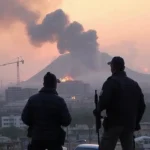



US Troops Stay in Middle East Until Iran Deal

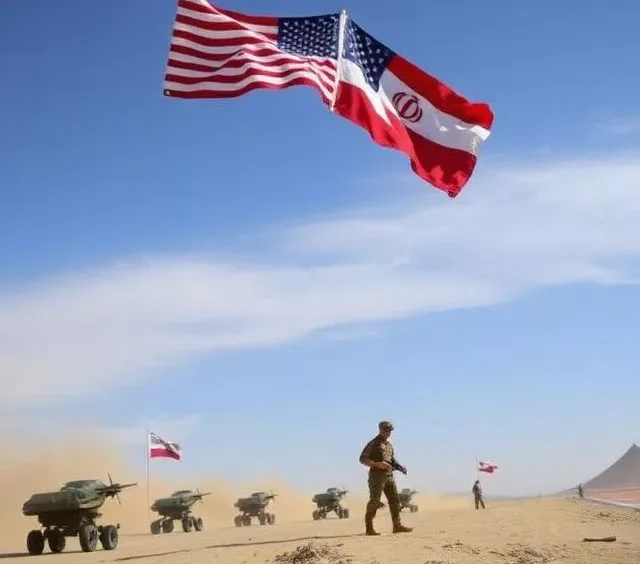
Washington D.C. / Islamabad / Dubai – President Donald Trump hailed the two-week U.S.-Iran ceasefire as “total and complete victory,” yet Defense Secretary Pete Hegseth delivered a clear message to the world: American forces are not going home anytime soon.
Hegseth stated bluntly that U.S. troops, ships, aircraft, and support units will remain “hanging around” the Middle East until a genuine, lasting agreement is reached with Iran — not just the fragile 14-day pause announced on April 8, 2026.
World Report Press investigation reveals how this prolonged U.S. military presence could shape global energy security, economic stability, and geopolitical balances far beyond the region, as Vice President JD Vance prepares to lead high-stakes talks in Islamabad starting April 11.
“Hanging Around” – America’s Leverage Strategy
Trump reinforced the position on Truth Social, declaring that all U.S. naval armadas, air assets, and personnel — along with additional ammunition and weaponry — will stay in place “until such time as the REAL AGREEMENT reached is fully complied with.”
Pentagon officials echoed this, noting the joint force remains ready to resume operations with “the same speed and precision” demonstrated during the six-week campaign. This forward deployment serves as both insurance and pressure on Iran during negotiations.
The ceasefire, brokered with Pakistani help, centers on Iran allowing the “complete, immediate and safe opening” of the Strait of Hormuz. In return, direct U.S. and Israeli strikes on Iranian territory are paused for two weeks. However, shipping data as of April 9-10 shows traffic remains severely limited, with only a handful of vessels transiting daily under tight Iranian coordination — far below pre-war levels.
Global Implications of Prolonged U.S. Deployment
This is not merely an American decision. The continued presence of U.S. forces carries worldwide consequences:
- Energy Markets and Oil Flows: The Strait of Hormuz handles roughly 20-25% of global oil and significant LNG shipments. Delayed full reopening keeps insurance rates high and tanker operators cautious. Any collapse of the ceasefire could trigger fresh disruptions, pushing oil prices higher and reigniting inflation pressures felt from Europe to Asia and beyond. Developing economies reliant on Gulf energy imports remain particularly vulnerable.
- Economic Ripple Effects: Sustained high energy costs feed into global supply chains, transportation, manufacturing, and food production. Even a partial Hormuz bottleneck contributes to uncertainty that affects stock markets, currency stability, and growth forecasts worldwide. Earlier in the conflict, crude prices surged dramatically before easing on ceasefire news; renewed tensions could reverse those gains.
- Geopolitical Strain: The U.S. military commitment in the Middle East draws resources and attention away from other strategic priorities, including deterrence in the Indo-Pacific. Allies in Europe, Asia, and the Gulf watch closely, concerned about escalation risks, refugee flows, and the precedent this sets for future conflicts. The regime in Tehran, though damaged, retains leverage through its control of the strait and proxy networks.
- Human and Diplomatic Costs: Extended deployments increase the burden on U.S. service members while raising the stakes for negotiations. Failure in Islamabad could lead to resumed hostilities, drawing in more actors and amplifying humanitarian impacts across Lebanon, the Gulf, and beyond.
Iran has submitted proposals including elements of sanctions relief and recognition of its role in the strait, while the U.S. side demands verifiable de-escalation, nuclear limits, and unrestricted Hormuz access. Significant gaps remain, and the two-week clock is already ticking.
The Make-or-Break Talks in Islamabad
Vice President JD Vance will head the U.S. delegation to Pakistan, joined by Special Envoy Steve Witkoff and Jared Kushner. Iranian representatives are expected to engage directly. The goal: transform the temporary pause into a durable “real deal” addressing nuclear concerns, proxy threats, and secure energy flows.
Analysts note both sides declared victory after the April 8 announcement, but the reality is a tense standoff. Continued Israeli operations in Lebanon — outside the ceasefire scope — add further friction, with Iran warning of potential violations.
World Report Press investigation highlights the classic pattern: military pressure forced Iran to the table, yet Tehran’s leverage over global energy keeps the U.S. committed on the ground. The outcome will influence not only Middle East stability but also worldwide energy prices, trade routes, and great-power dynamics.
World Report Press Bottom Line
America’s decision to keep troops forward-deployed until a comprehensive agreement sends a strong signal of resolve — but it also prolongs uncertainty for the rest of the world. Global markets, energy importers, and international diplomacy now hinge on whether the Islamabad talks deliver breakthroughs or expose deeper divisions.
Higher energy costs, strained supply chains, and heightened geopolitical risks are not abstract. They affect consumers, businesses, and governments everywhere.
World Report Press will continue monitoring:
- Real-time developments from the Islamabad negotiations
- Shipping activity through the Strait of Hormuz
- Pentagon force posture updates and global market reactions
- Any signs of escalation or de-escalation
The world cannot afford another prolonged energy shock or wider conflict. The 2026 Iran war endgame is being decided now — and its consequences will be felt globally.
This is a rapidly developing story. The coming days in Pakistan may determine whether the ceasefire leads to lasting peace or sets the stage for renewed tensions with worldwide fallout.
Based on Pentagon and White House statements, shipping trackers, official announcements from involved parties, and economic analyses as of April 10, 2026.