



Cyclone Gezani Kills 36+, 18,000 Homes Lost

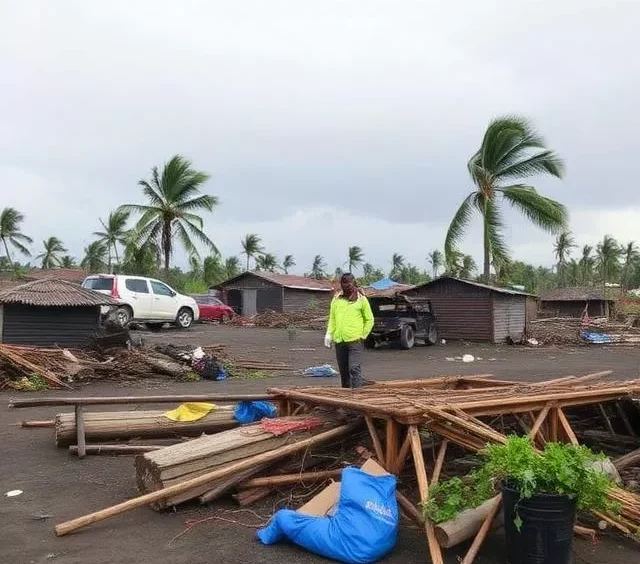
Cyclone Gezani Kills 36+, 18,000 Homes Lost
Cyclone Gezani – Key Facts at a Glance
- Storm name: Tropical Cyclone Gezani (Intense Tropical Cyclone at peak)
- Landfall date: February 10–11, 2026 (evening local time near Toamasina / Tamatave, east coast)
- Peak intensity: Category 3 equivalent (sustained winds ~195–250 km/h or 121–155 mph, gusts higher)
- Fatalities: At least 36 confirmed dead (some reports rising to 38); several missing
- Injuries: More than 370 (many serious)
- Homes destroyed: ~17,980–18,000 completely destroyed
- Homes damaged/flooded: Over 37,000–50,000 additional
- People affected: Nearly 300,000 (displaced figures range from 6,000–12,000+ in early counts, with broader impact higher)
- Hardest-hit area: Toamasina (Tamatave) port city and surrounding districts — described as “total chaos” with widespread building collapses, flooding, uprooted trees, and power outages
- Context: Second major cyclone to strike Madagascar in 2026, following Cyclone Fytia (Jan 31–Feb 1) which killed at least 12 and displaced ~31,000
Introduction: Back-to-Back Devastation Strikes Vulnerable Island
In a cruel twist of climate fate, Madagascar — already reeling from Cyclone Fytia just 11 days earlier — was hammered by Tropical Cyclone Gezani on February 10–11, 2026.
The intense storm made landfall near the vital port city of Toamasina with ferocious winds and torrential rain, carving a path of destruction across the east coast in under 24 hours before weakening to a tropical storm as it crossed inland.
Authorities report at least 36 deaths (with some updates citing 38), hundreds injured, and nearly 18,000 homes obliterated — leaving tens of thousands homeless in one of the island nation’s poorest regions. President [relevant authority] declared a national disaster and appealed for urgent international aid.
Timeline of Cyclone Gezani
- Feb 9–10, 2026: Rapid intensification to Intense Tropical Cyclone; red alerts issued for east coast regions.
- Feb 10 evening: Landfall near Toamasina II district with winds exceeding 195 km/h and gusts up to 250 km/h. Heavy rain (100–150+ mm in 24h) triggers flash floods and landslides.
- Feb 11: Storm crosses island, weakening; “total chaos” reported in Toamasina — roofs torn off, homes collapsed, trees felled, flooding widespread. Death toll begins rising rapidly.
- Feb 12: Death toll confirmed at 36+, damage assessments surge. Storm moves toward Mozambique Channel; threat of re-strengthening and possible return to southwest Madagascar monitored.
- Feb 13 onward: Relief operations ramp up amid pleas for global support.
Many fatalities resulted from collapsing structures — a tragic pattern in Madagascar where homes often lack storm-resistant construction.
Scale of Destruction in Toamasina and Beyond
Toamasina, Madagascar’s main commercial port and second-largest city, bore the brunt:
- Entire neighborhoods plunged into darkness from power outages.
- Flooded streets, collapsed buildings, and debris blocking roads.
- Survivor accounts describe “monstrous” winds ripping roofs and walls apart.
- Rural districts near landfall saw landslides and flash floods compounding the toll.
The cyclone follows Fytia (which devastated the northwest), highlighting Madagascar’s extreme vulnerability to back-to-back tropical systems in the 2026 season.
Humanitarian Response and Urgent Needs
- Government & BNRGC (National Office for Risk and Disaster Management): Coordinating assessments; national disaster declared.
- International appeals: President calls for help from global partners; UN OCHA, IFRC, and others mobilizing.
- Immediate priorities: Shelter for displaced families, food/water distribution, medical care for injured, debris clearance to restore access.
- Longer-term risks: Disease outbreaks from flooding, food insecurity in affected farming areas, economic hit to port operations.
Climate experts note rising cyclone intensity in the southwest Indian Ocean linked to warmer sea temperatures — a trend making recovery harder for one of the world’s most climate-vulnerable nations.
Survivor Stories & Community Impact
In Toamasina, residents described terror as homes disintegrated around them. One local told media: “The wind was like a monster — everything just flew away.” Families huddle in temporary shelters or with relatives, while children wade through flooded streets amid the wreckage.
The human cost is immense in a country where many already live on the edge of poverty.
Looking Ahead: Recovery & Climate Lessons
As cleanup begins and the storm’s remnants are tracked (possible threat to Mozambique or re-curvature toward Madagascar’s southwest), focus turns to:
- Rapid humanitarian corridors for aid.
- Rebuilding resilient housing.
- Strengthening early-warning systems.
- Global climate support for small island nations facing intensifying storms.
Cyclone Gezani is a stark reminder of how quickly nature can overwhelm even prepared communities — and how urgently the world must act on disaster risk reduction.
Our thoughts are with the people of Madagascar as they face yet another fight for recovery.
Published on www.worldreport.press Date: February 13, 2026 Category: Breaking News | Africa | Climate & Disasters
Follow us for more
- Latest tech news
https://worldreport.press/category/tech-news/ - Latest Grok Imagine 2026 update xAI rolls out 10-second videos
https://worldreport.press/tech-news/latest-grok-imagine-2026-update-xai-rolls-out-10-second-videos/ - How AI is reshaping banking in 2026 fewer branches smarter operations
https://worldreport.press/tech-news/how-ai-is-reshaping-banking-in-2026-fewer-branches-smarter-operations/ - Major worldwide news stories recap last week
https://worldreport.press/tech-news/major-worldwide-news-stories-recap-last-week/ - Breaking ChatGPT linked to 9 reported deaths including 5 alleged suicides
https://worldreport.press/tech-news/breaking-chatgpt-linked-to-9-reported-deaths-including-5-alleged-suicides-openai-under-fire-amid-lawsuits-and-musk-altman-clash/