




Heavy Rains Wreak Havoc Across India: A Deluge of Destruction Amid Festivities and Daily Life

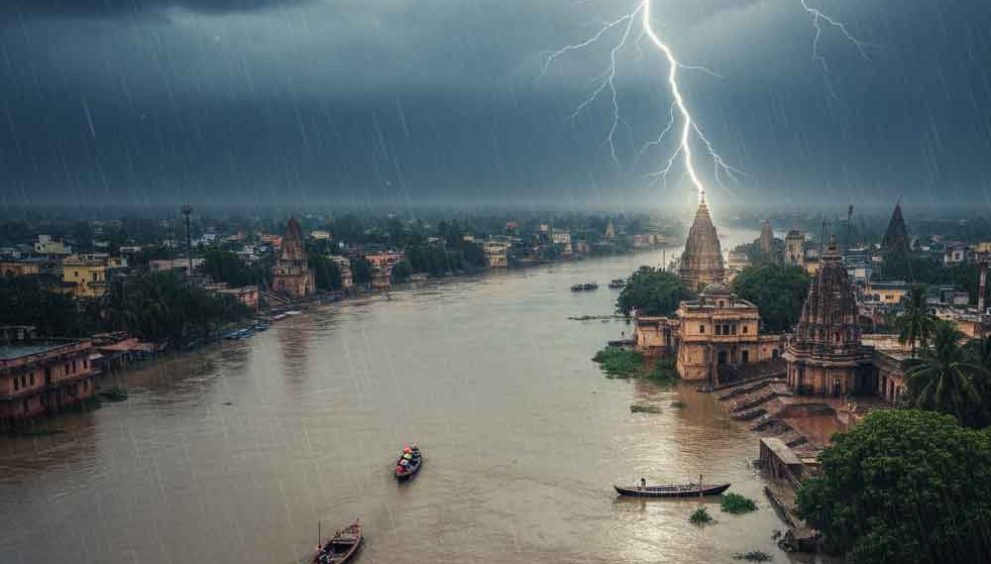
As the monsoon season bids a dramatic farewell in late September 2025, India finds itself grappling with one of its most severe rainfall events in recent memory. Torrential downpours have unleashed chaos from the western coasts to the eastern plains, claiming lives, submerging homes, and disrupting transport networks. From Maharashtra’s flood-ravaged farmlands to Telangana’s overflowing rivers and Kolkata’s waterlogged streets—right on the eve of Durga Puja—this unprecedented weather onslaught has highlighted the growing ferocity of climate-driven extremes. In this blog, we’ll dive deep into the epicenters of the crisis, exploring the human toll, heroic rescues, and what lies ahead for affected communities.
Maharashtra: A Torrent of Tragedy and Tireless Rescues
In the heart of India’s financial powerhouse, Maharashtra has borne the brunt of the deluge, with heavy rains lashing the state for over 48 hours as of September 29, 2025. The India Meteorological Department (IMD) issued an orange alert for Mumbai, Thane, Raigad, and Palghar districts, warning of “heavy to very heavy rainfall” that pushed seasonal totals in Mumbai past the 3,000 mm mark. The result? At least 10 lives lost in rain-related incidents, including drownings, lightning strikes, and structural collapses, while over 11,800 people were evacuated from low-lying areas.
Nashik and Marathwada regions saw the Godavari River swell dangerously close to its danger mark, inundating temples and homes in Ramkund. In Dharashiv and Solapur, flash floods stranded dozens, prompting the deployment of 18 National Disaster Response Force (NDRF) teams and even Army units for search-and-rescue operations. “We’ve rescued over 320 people since last night alone,” reported officials, as drones air-dropped food and essentials to cut-off villages. The Maharashtra government, led by Deputy Chief Minister Eknath Shinde, announced a ₹2,215 crore aid package for 31.54 lakh affected farmers, with compensation slated to reach victims before Diwali.
But the scars run deep. Crops across 14 lakh acres lie submerged, livestock losses mount, and infrastructure—from roads to railways—crumbles under the weight of water. As Fadnavis urged advance evacuations from vulnerable zones, the focus shifts to rebuilding. For families like those in Ahmedpur taluka, where four laborers clung to a barrage for eight harrowing hours before rescue, survival feels like a miracle amid the mud and mayhem.
Jammu’s Century-Old Record Shattered: Floods and Landslides in the North
Up north, Jammu has etched itself into meteorological history with a downpour that defies belief. On August 27, 2025—part of the same erratic monsoon pattern—the region recorded a staggering 380 mm of rain in just 24 hours, smashing the previous record of 270.4 mm set in 1988 and surpassing the 218.4 mm mark from decades ago. This is the heaviest single-day rainfall since the observatory’s inception in 1910, turning streets into rivers and triggering landslides that isolated entire villages.
The chaos was immediate: 36 lives lost to floods and landslides, thousands evacuated, and critical infrastructure crippled. Northern Railway canceled 18 trains and short-terminated dozens more as tracks between Jammu Tawi and Katra eroded away. Power outages blanketed the city, mobile networks flickered, and schools, colleges, and coaching centers shuttered for safety. Visuals of a collapsing road near the fourth Tawi bridge, trapping an SUV mid-slide, captured the peril, while the Vaishno Devi route succumbed to a massive landslide.
Relief efforts swung into action with Jio and Airtel restoring G2-level internet, and authorities prioritizing low-lying evacuations. Moderate convection lingers over Jammu plains, Samba, Kathua, and Udhampur, hinting at more rain to come. For residents, this isn’t just a record—it’s a wake-up call to fortify against increasingly volatile Himalayan weather patterns.
Telangana’s Historic Flooding: Kamareddy and Medak Submerged in Record Rains
In southern India, Telangana’s Kamareddy and Medak districts have become synonymous with “historic flooding” as rains pummeled the region with extreme intensity from late August into September 2025. Argonda in Kamareddy clocked a mind-boggling 43.1 cm (431 mm) in under 24 hours, while Rajampet hit 44.05 cm—figures that rank as the second-highest two-day total (576 mm) in Telangana since 1908. Medak’s Haveli Ghanpur recorded 31.6 cm, and Nirmal Rural logged 32.53 cm, with over 20 locations exceeding 20 cm.
The fallout? Towns and villages drowned as streams, lakes, and the Mid Manair Dam overflowed, submerging National Highway 44 at three points and stranding around 30 people in Sircilla. In Doopsingh Thanda, 100 residents fled flood-encircled homes; in Kamareddy town, colonies like GR, Teachers, and Housing Board saw water rise two floors in mere hours. “Everything changed in 30 minutes,” recounted a survivor from GR Colony, where the Allair River’s ancient Nizamsagar Dam—silted to half capacity—exacerbated the deluge.
Rescue ops mobilized 12 SDRF teams, four NDRF units, and 100 Army personnel from Hyderabad’s TASA unit, using boats to pluck families from rooftops. Chief Minister A. Revanth Reddy planned an aerial survey, while IMD’s red alert blanketed Medak, Kamareddy, Siddipet, Nizamabad, and Nirmal. An orange alert covers 15 districts, underscoring the clustered extreme: not one freak storm, but a moisture-laden clash of Bay of Bengal swirls and Arabian Sea winds dumping 30 cm over 1,000 sq km. Crops, roads, and hopes washed away, this event signals climate change’s intensifying grip on Telangana’s rain-shadow zones.
Kolkata’s Festive Fervor Drowned: Waterlogging Maroons Durga Puja Preparations
As Bengalis gear up for the joyous chaos of Durga Puja—set to ignite on September 26, 2025—Kolkata awoke on September 23 to a nightmare of its own making: a near-cloudburst dumping 247.5 mm in 24 hours, the heaviest since 1988’s 253 mm. Garia Kamdahari clocked 332 mm, Jodhpur Park 285 mm, and Kalighat 280 mm, turning the City of Joy into a watery quagmire. At least nine lives were snuffed out—mostly by electrocution in flooded streets—while 30 flights were canceled and 42 delayed at the airport.
Suburban rails and Metro lines ground to a halt, with waterlogging suspending services between Shahid Khudiram and Maidan. Roads like Eastern Metropolitan Bypass, Rashbehari Avenue, and Central Avenue became impassable, stranding commuters and submerging markets. Worse, the deluge struck pandals mid-construction: Iconic sites like Singhi Park, Hatibagan Nabin Pally, Chaltabagan Sorbojonin, and Maddox Square saw artworks ruined and structures half-sunk. Artisans, whose livelihoods hinge on this season, watched a year’s labor dissolve in hours. “We’ve lost everything,” lamented one organizer, as Chief Minister Mamata Banerjee canceled inaugurations and advanced Puja holidays for schools.
IMD’s orange alert lingers till September 26, forecasting more moderate rain and thundershowers (7-11 cm possible). With Ganga levels at 5.66 meters and lock gates straining, the Kolkata Municipal Corporation pumped water frantically. Amid the gloom, Banerjee urged caution: “Stay indoors; let’s not politicize this disaster.” For a city where Puja pandals are temples of creativity, this flood is a cruel irony—devotion tested by nature’s unyielding fury.
The Bigger Picture: Climate Change, Resilience, and Hope
This cascade of catastrophes—from Maharashtra’s 11,800 rescues to Jammu’s 1910-shattering 380 mm, Telangana’s clustered extremes, and Kolkata’s Puja peril—is no coincidence. IMD data reveals a spike in high-intensity rainfall events, fueled by warmer oceans and erratic monsoons. Across India, at least 55 deaths, thousands displaced, and billions in damages underscore the urgent need for climate-resilient infrastructure: better dams, early-warning systems, and urban drainage overhauls.
Yet, amid the wreckage, stories of solidarity shine. NDRF’s drone drops, Army boat rescues, and community aid in flooded colonies remind us of India’s unbreakable spirit. As Puja drums echo faintly through Kolkata’s rains and Telangana’s waters recede, the focus turns to recovery. Governments pledge aid, but true resilience demands action—now.
What are your thoughts on this monsoon madness? Have you been affected, or seen acts of heroism up close? Share in the comments below, and stay safe, India. For live updates, follow IMD alerts and local news. This too shall pass—but let’s build so it passes gentler next time.

